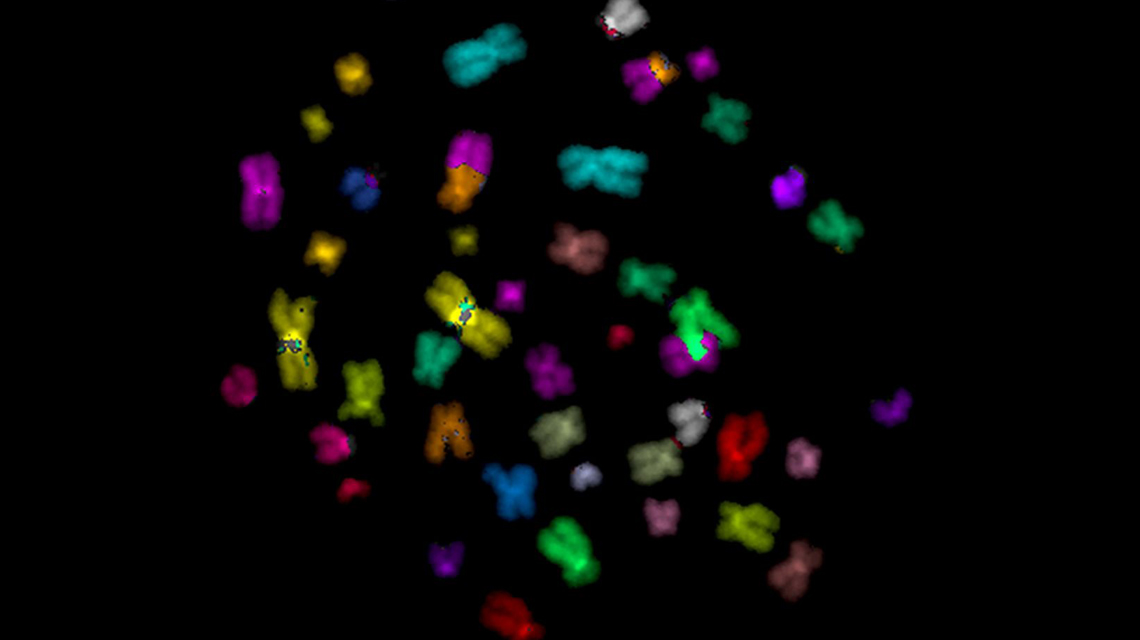
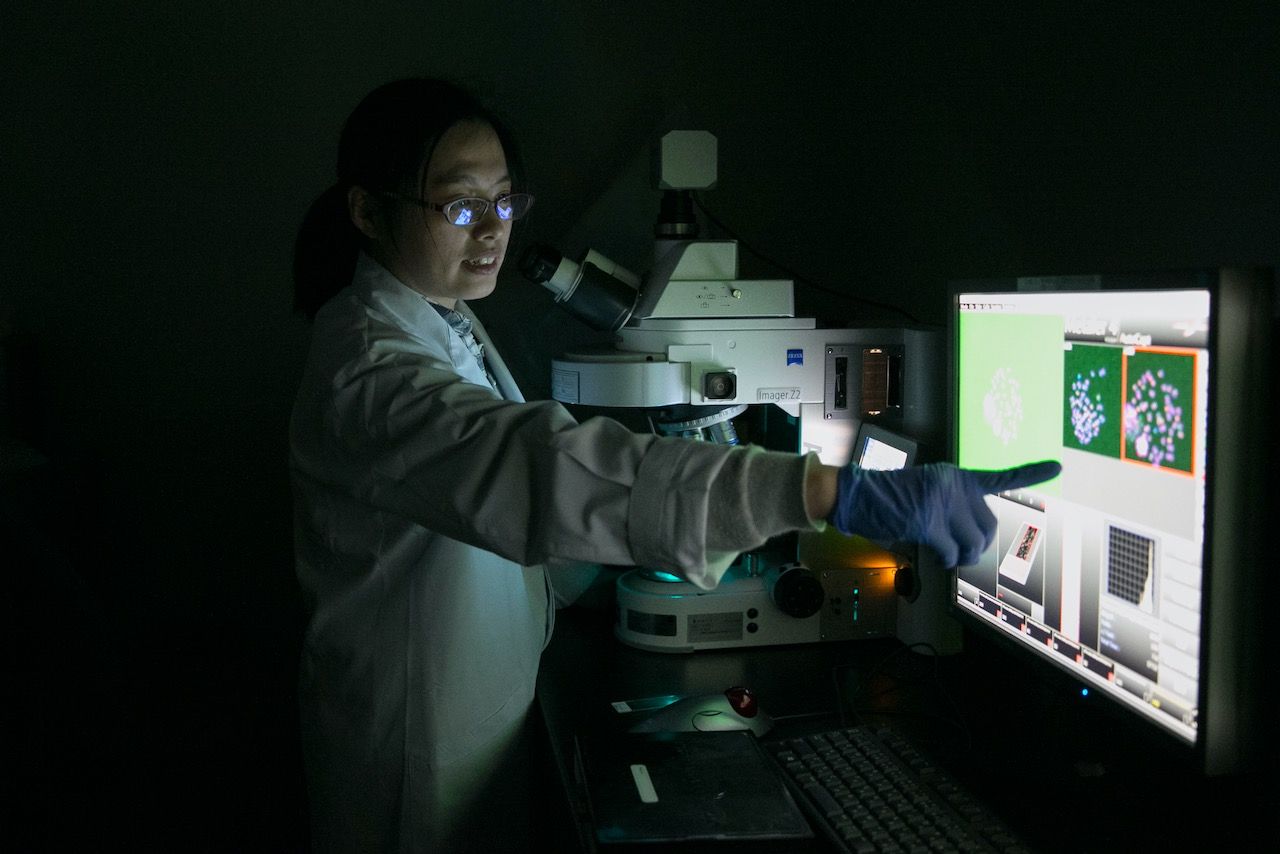
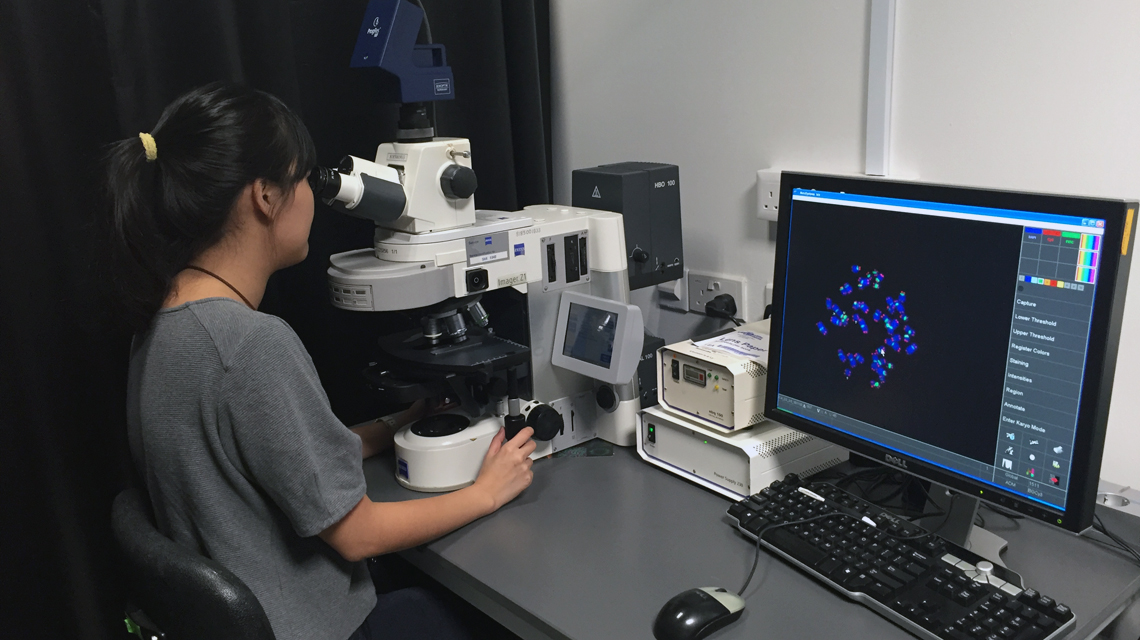
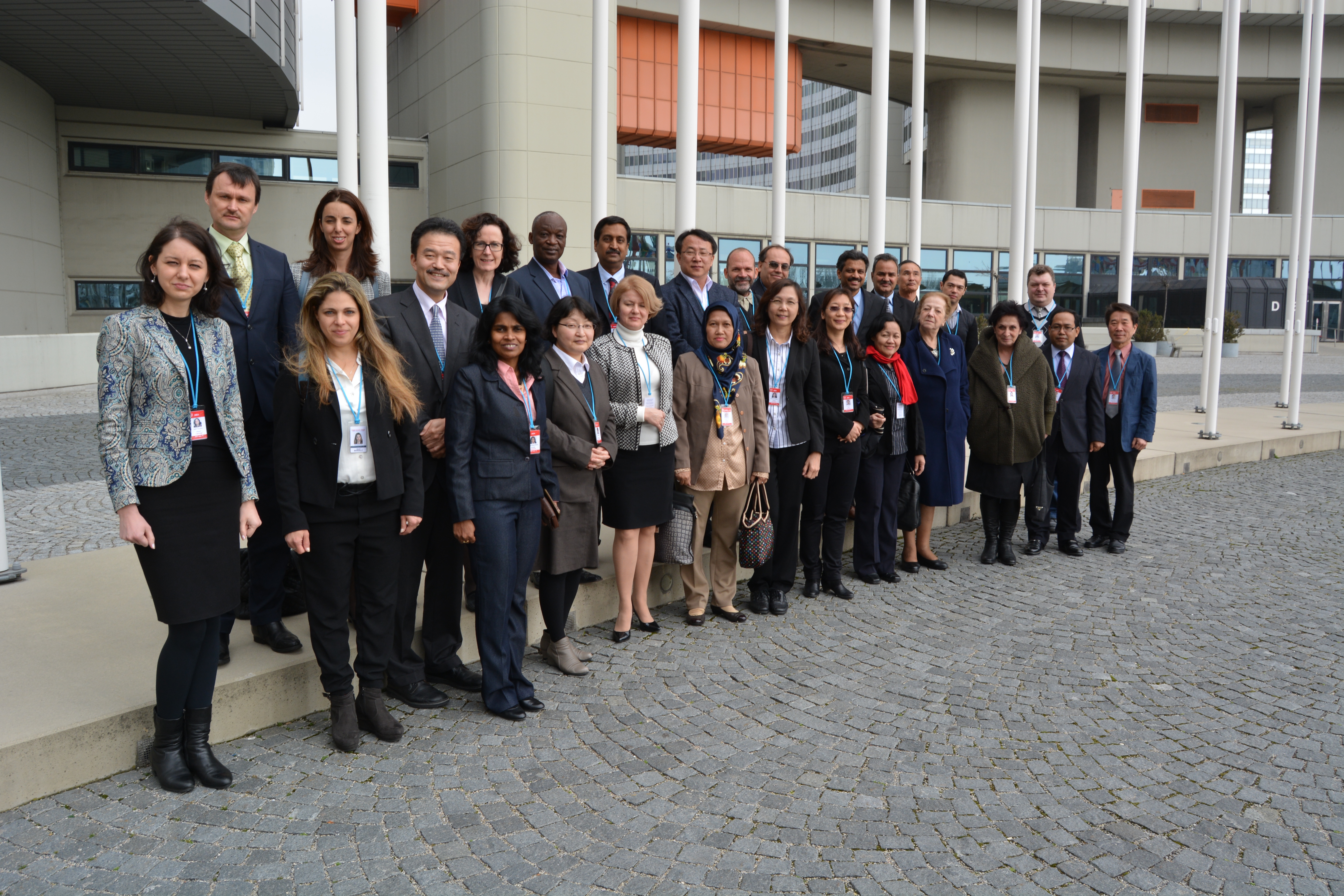
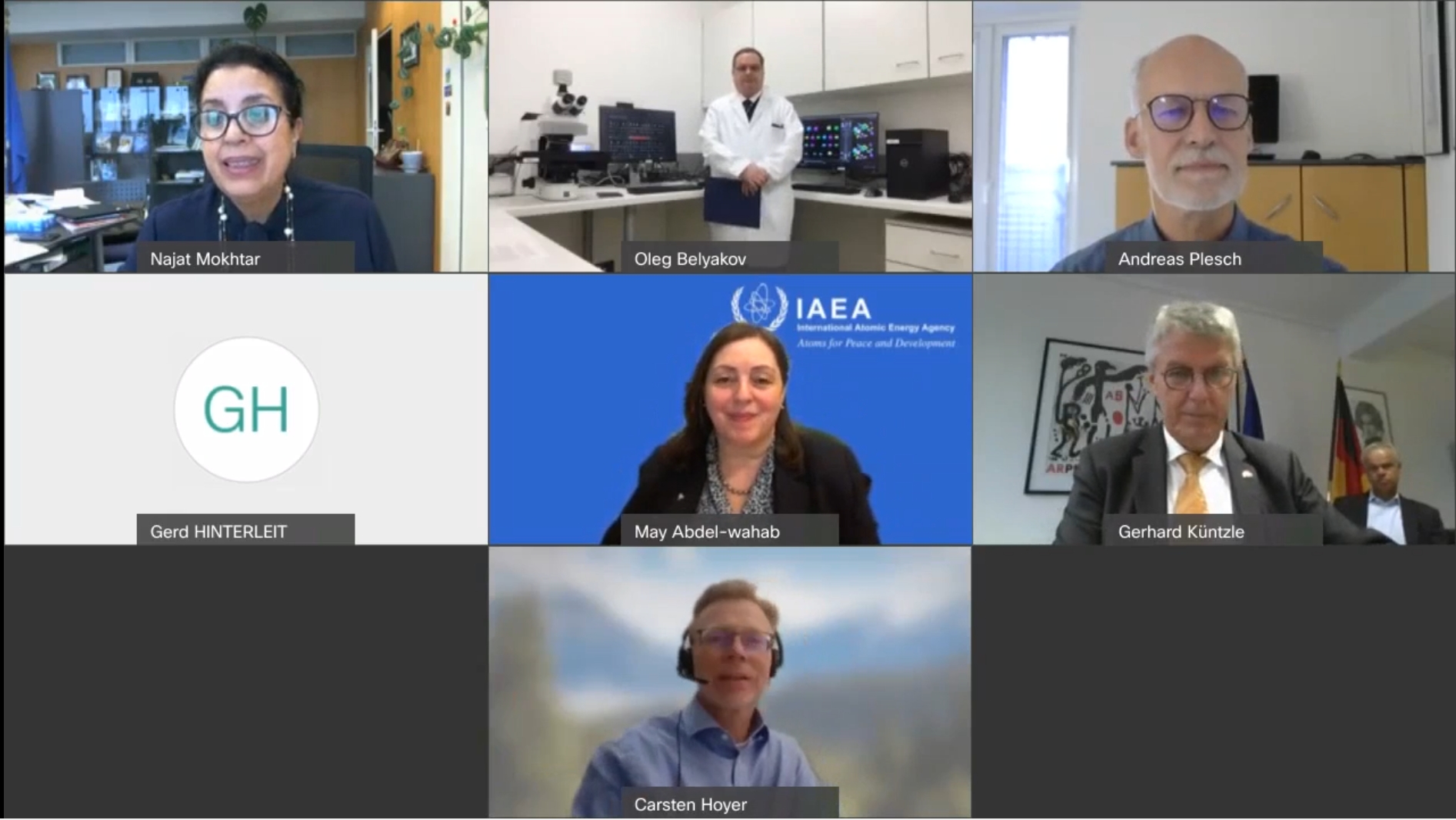
An IAEA research project involving 27 countries has strengthened global understanding of how exposure to ionizing radiation affects human health. The project focused on the clinical applications of biodosimetry – how measuring biological responses can be used to estimate the amount of ionizing radiation a patient receives. Over several years, it generated new data which expands on the potential of dosimetric biomarkers – biological indicators that reflect the amount of ionizing radiation a person has been exposed to.
“Within everyday clinical practice, the move towards personalized medicine requires assays to accurately assess radiation exposure at the individual level. Beyond ensuring patient safety, these specialized tests are critical for predicting how normal tissues respond to clinical procedures involving ionizing radiation,” said Oleg Belyakov, an IAEA radiobiologist and the project’s technical officer. “While previously validated biological indicators offer a promising foundation, there are a number of knowledge gaps and methodological limitations which need to be addressed before these markers can serve as a reliable tool to inform routine clinical decision-making.”