
Long Night of Research 2026 - Stations
24 April 2026, 17:00–23:00
--
Days
--
Heures
--
Minutes
--
Seconds
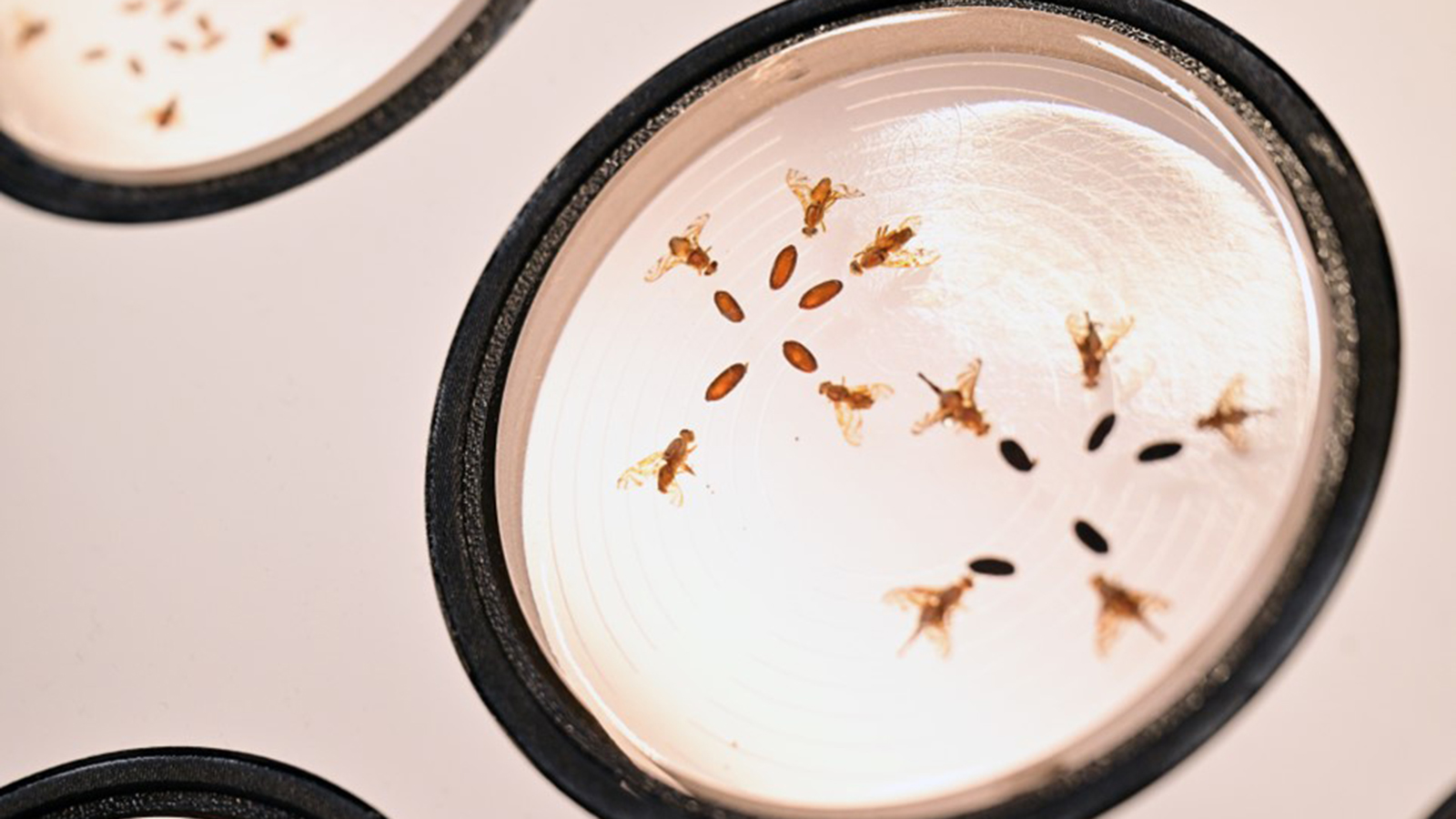
Insects like mosquitoes and tsetse flies may be tiny, but they cause over 700,000 deaths every year by spreading dangerous diseases. Other pests, like fruit flies, can threaten global food supplies and trade. Nuclear science offers powerful tools to control insect populations and detect diseases quickly. Explore live insect displays, learn how scientists use the sterile insect technique, and discover how environmentally friendly solutions help protect both people and crops.
How do you know? Learn how our scientists use fast, portable tools to quickly screen food for contamination and fraud anywhere they need to. Keeping food safe takes science, speed and accuracy. Check out live demonstrations, interactive displays and videos to learn how nuclear science protects the food we eat every day.
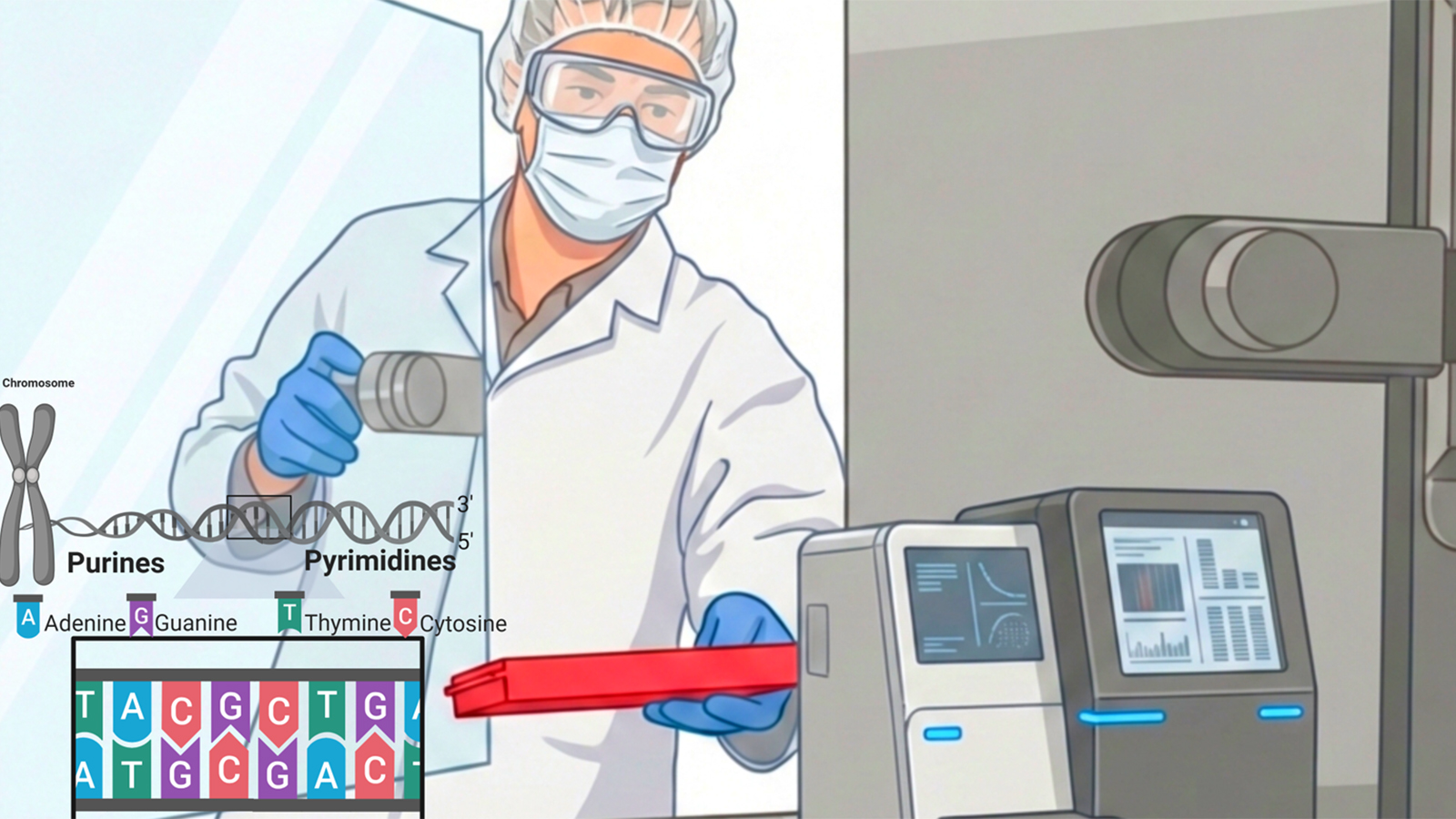
What happens when animals and people face the same invisible threats? Diseases cross borders and can jump from animals to humans. These germs often look identical, making them hard to stop. How do we unmask the culprit before it spreads? Step into our laboratory to see how IAEA scientists use advanced genomic “fingerprinting” to identify the exact cause of disease in record time. Discover how we can use nuclear irradiation to “disarm” these dangerous germs—turning them from lethal threats into safe, life-saving vaccines. Follow the journey of a globe-trotting germ from detection to cure and craft your own colourful “vaccine”.
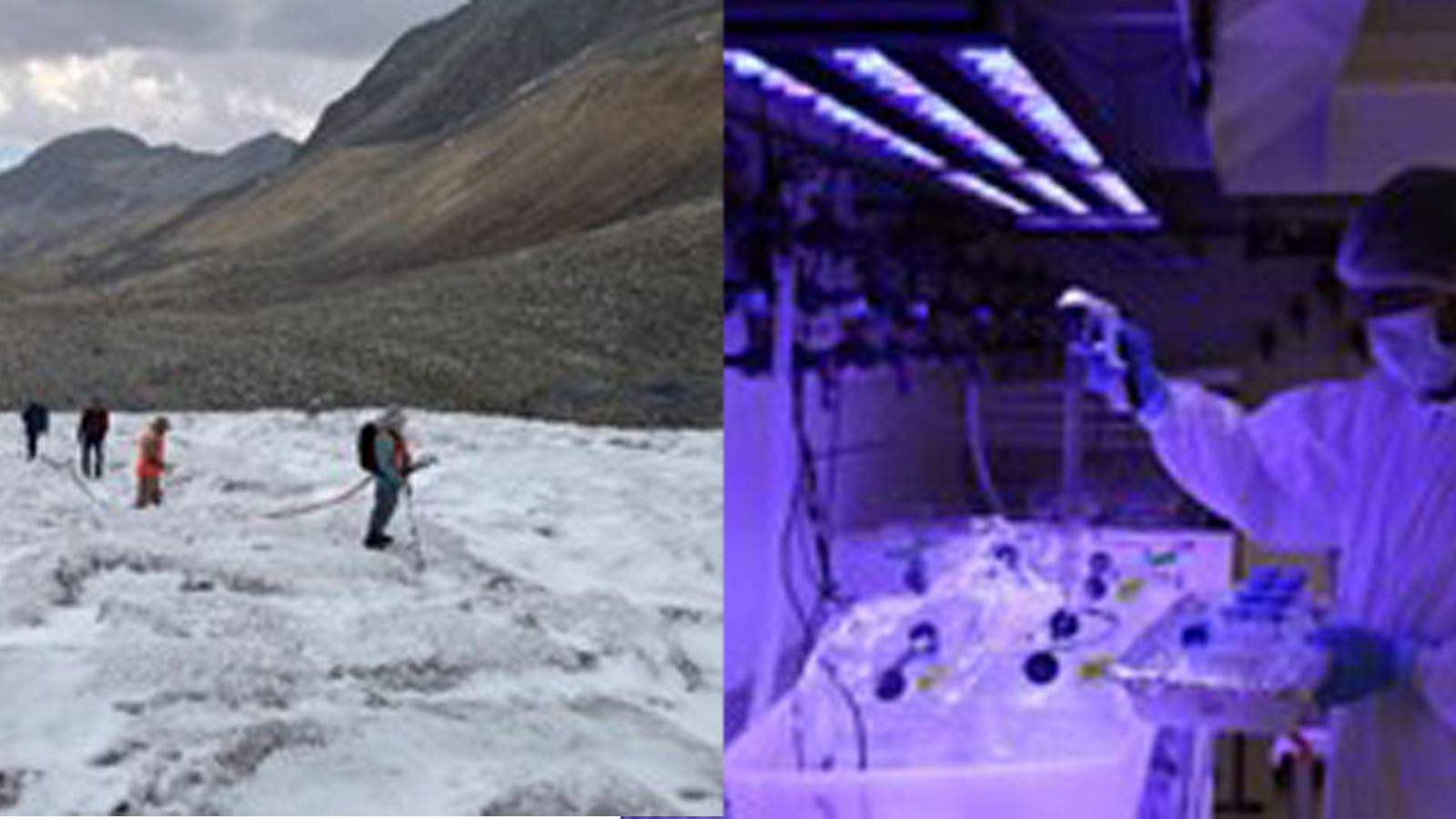
Isotopes are like fingerprints; they help identify where water comes from. They can also reveal how old water is and make sure the water you drink is safe. Find out how IAEA experts use isotopes to study underground water sources and determine how vulnerable these hidden reserves are to climate change, pollution and land use changes as well as understand the chemistry of the sea, by tracking ocean acidification and studying changes in marine carbon cycles. These clues help researchers see how ocean conditions are shifting and what this means for marine life. You’ll learn how isotopes help decode water’s journey across the planet, from deep aquifers to the open ocean, and how these insights guide efforts to protect both our freshwater and our marine environments.
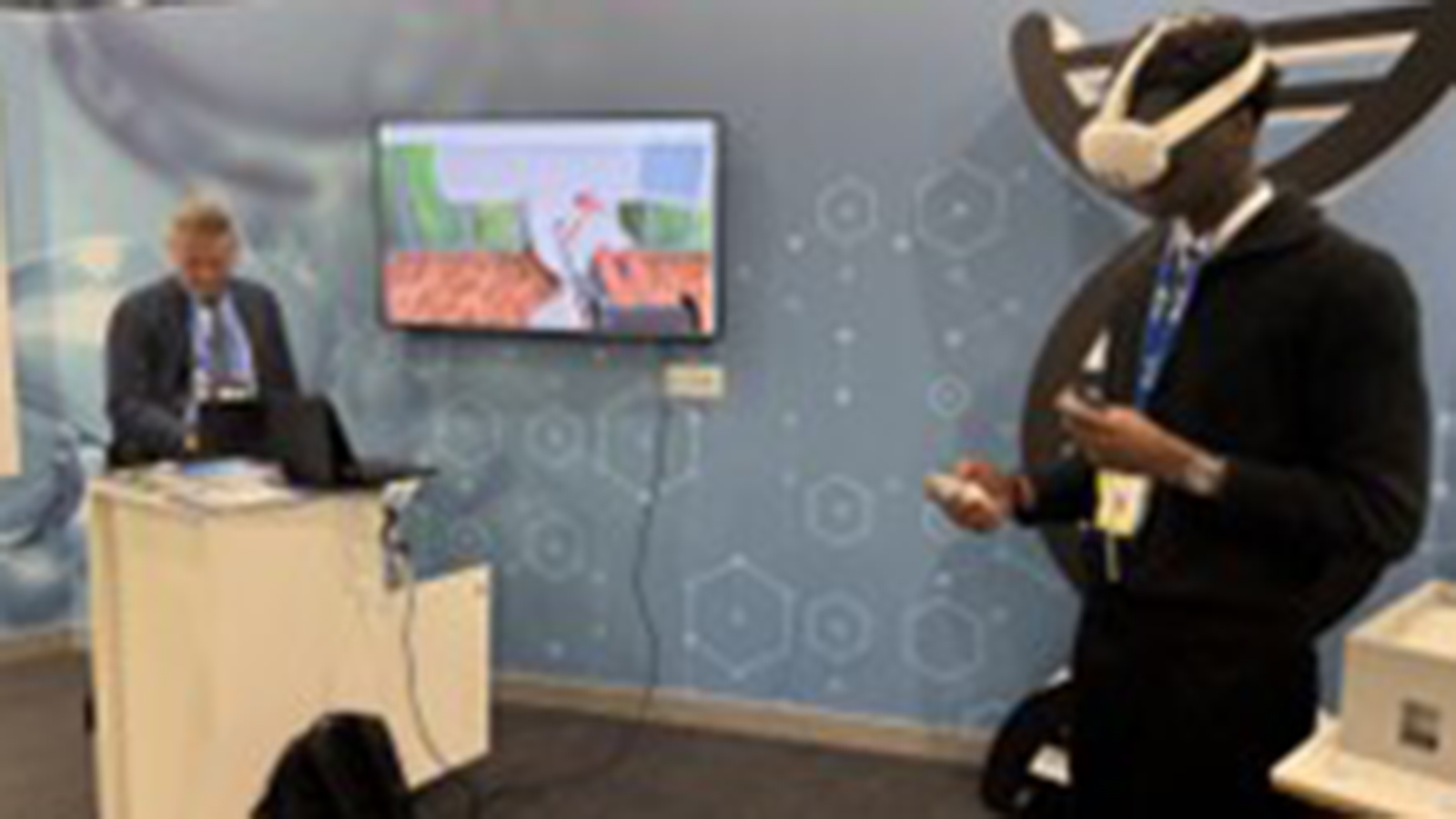
Radiotherapy uses high-energy radiation to kill cancer cells, shrink tumors or control cancer growth. It can be hard to visualize, so doctors and medical staff are using virtual reality to transform how they learn complex radiotherapy techniques and how patients understand their treatment. Step into a virtual treatment room to see how immersive technology improves training, supports hospitals worldwide, helps patients feel more confident and less anxious, and how these new technologies are pushing progress in cancer care.
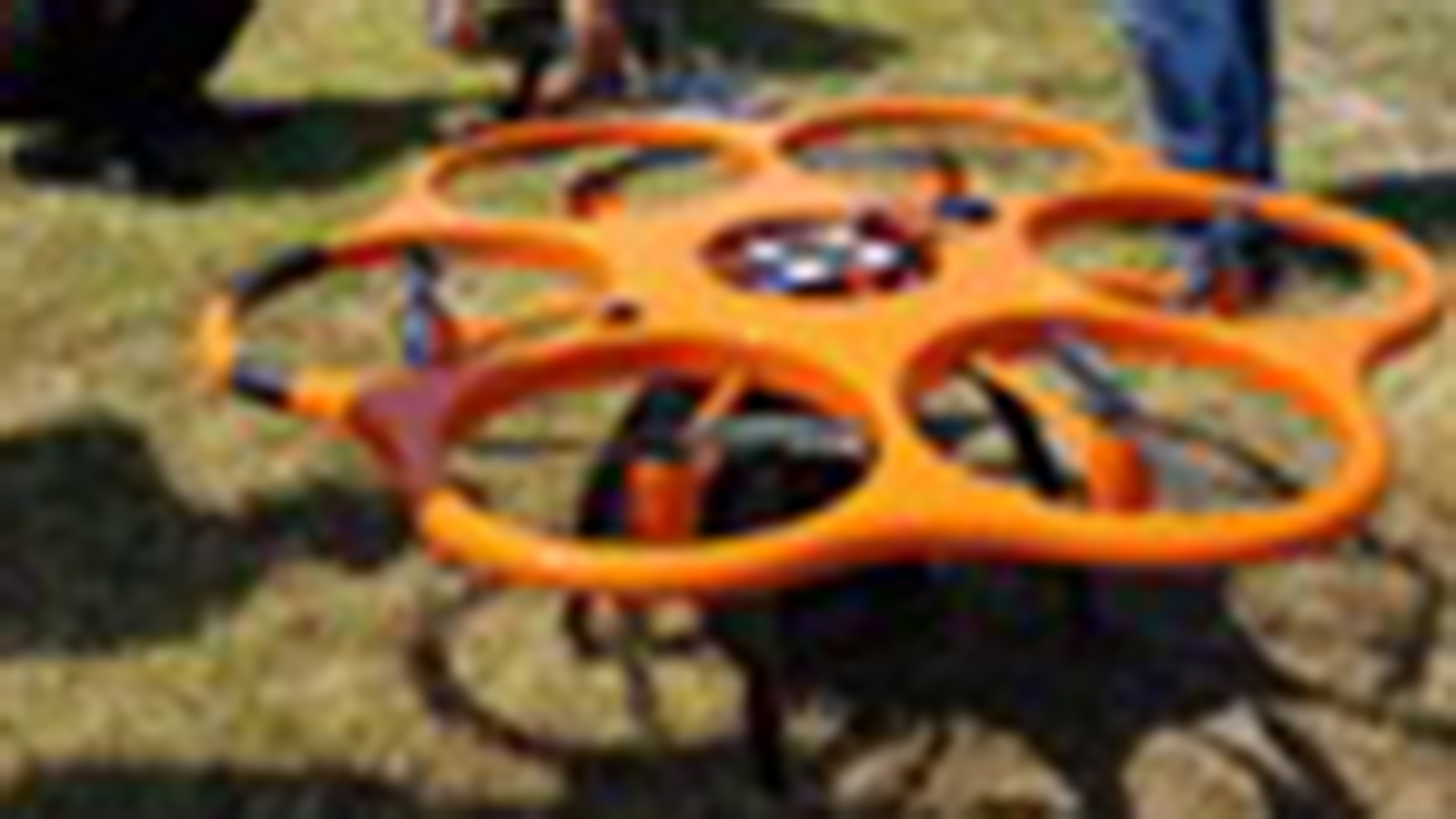
How do scientists measure radiation quickly and safely across cities, forests and disaster zones? Explore how wearable backpack gamma radiation detectors and drones can quickly detect radiation and see the equipment up close. Learn how radiation is detected and mapped, and discover how these technologies support environmental protection, emergency response and scientific research.
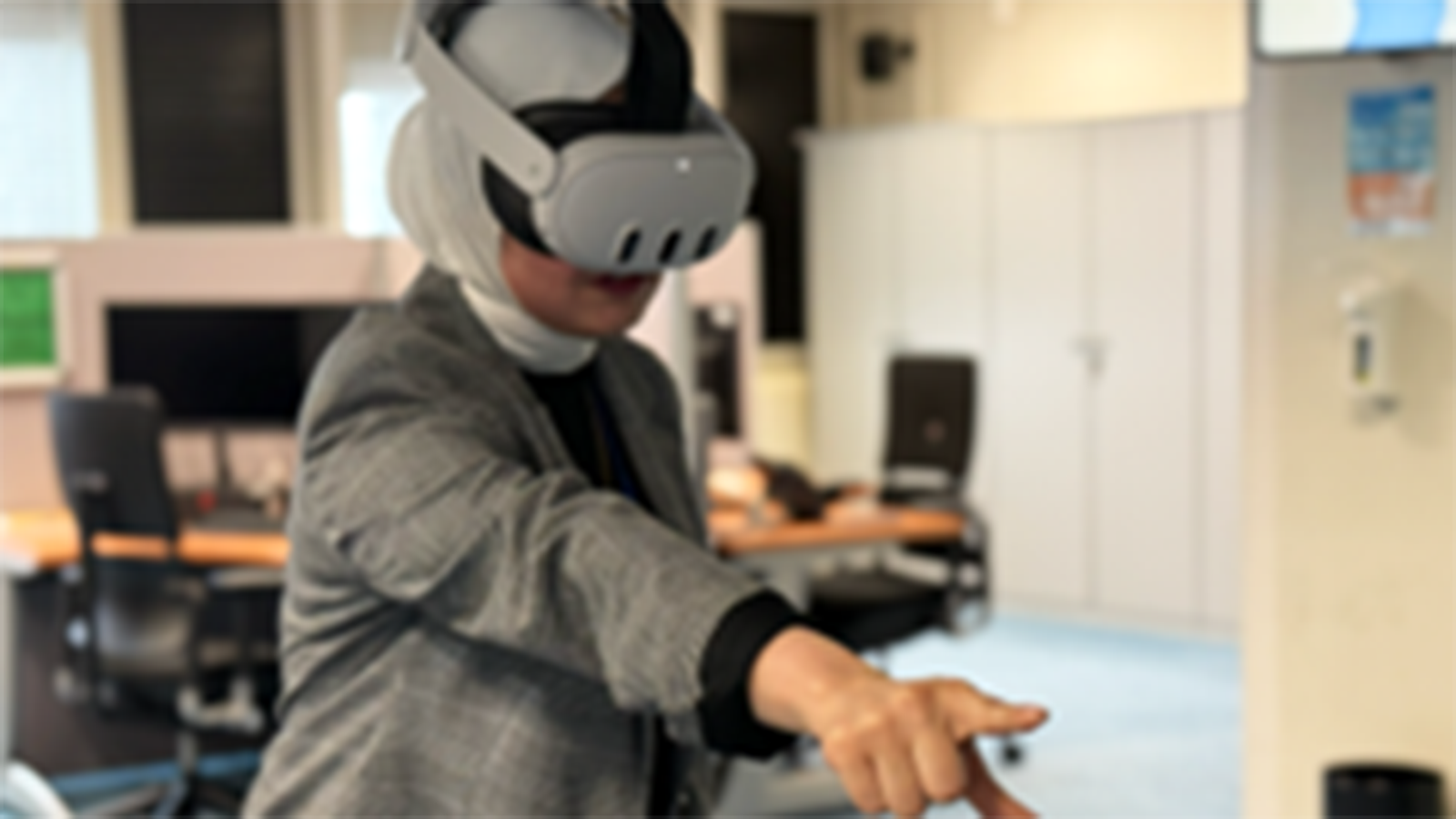
Ever wonder what really happens if there’s a nuclear or radiological emergency — and how experts keep people safe? Visitors can experience an emergency scenario simulation using a VR headset and controllers, with guidance provided by a member of the IAEA team. The simulation presents a fictional large public event involving the detonation of a radiological dispersal device, followed by the emergency response. Also discover our interactive learning area! Through short modules, games and quizzes, understand how preparation, planning and teamwork help keep communities safe.
Natural radiation is all around us! Learn about the distinctive patterns of different types of natural background radiation, and how workers exposed to radiation monitor the doses and stay safe in their jobs. Then it’s your turn! Put on personal protective equipment and use a radiation detector to identify radiation in a simulated workspace. Test your knowledge at the end and earn your certificate!
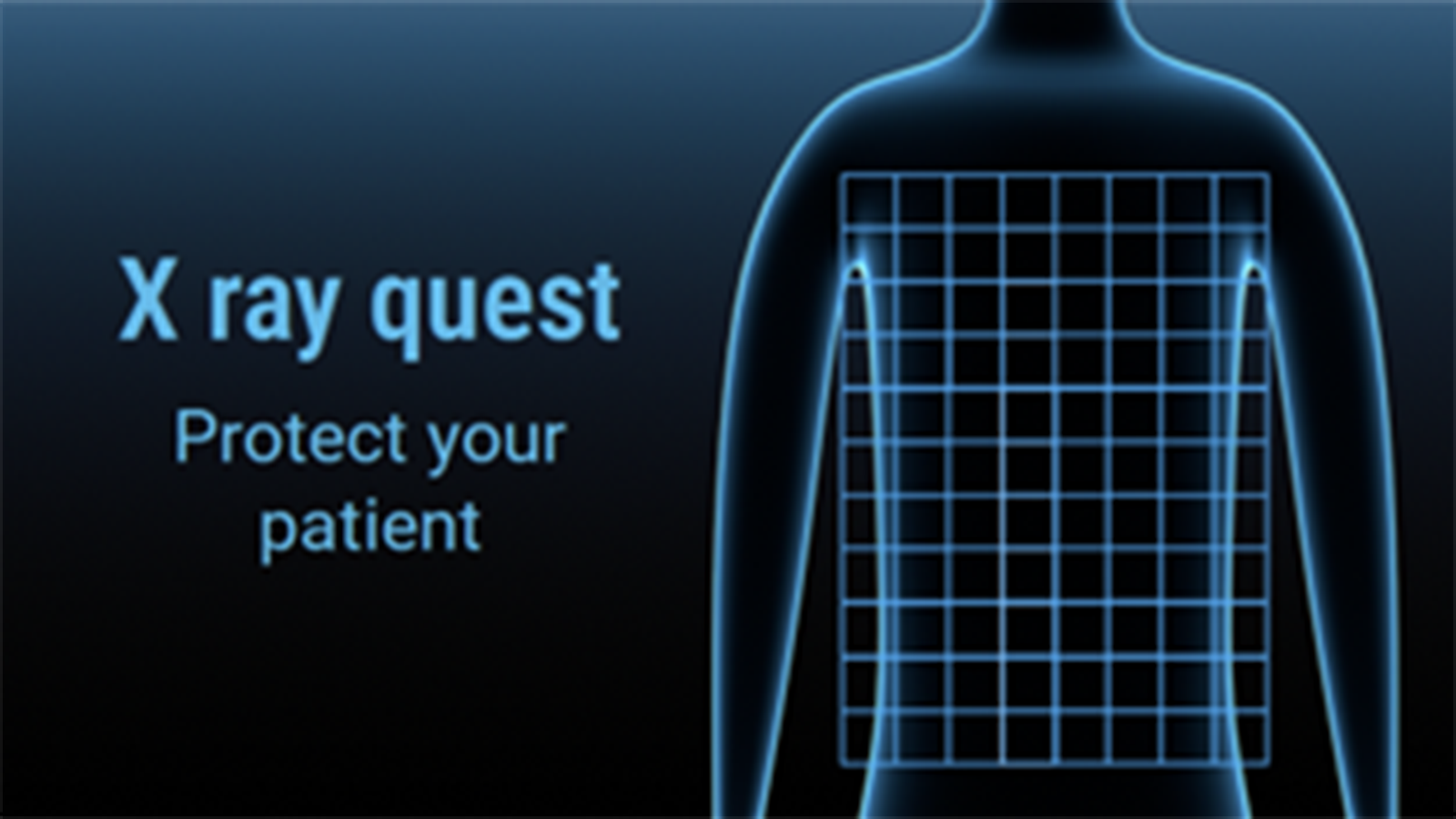
Do you know where all the organs in the body are? Search for them individually using ‘X rays’. Keep in mind: each X ray counts — the fewer X rays you use, the less risk for the patient — so think wisely! Put on your doctor’s coat, start the procedure and protect your patient!
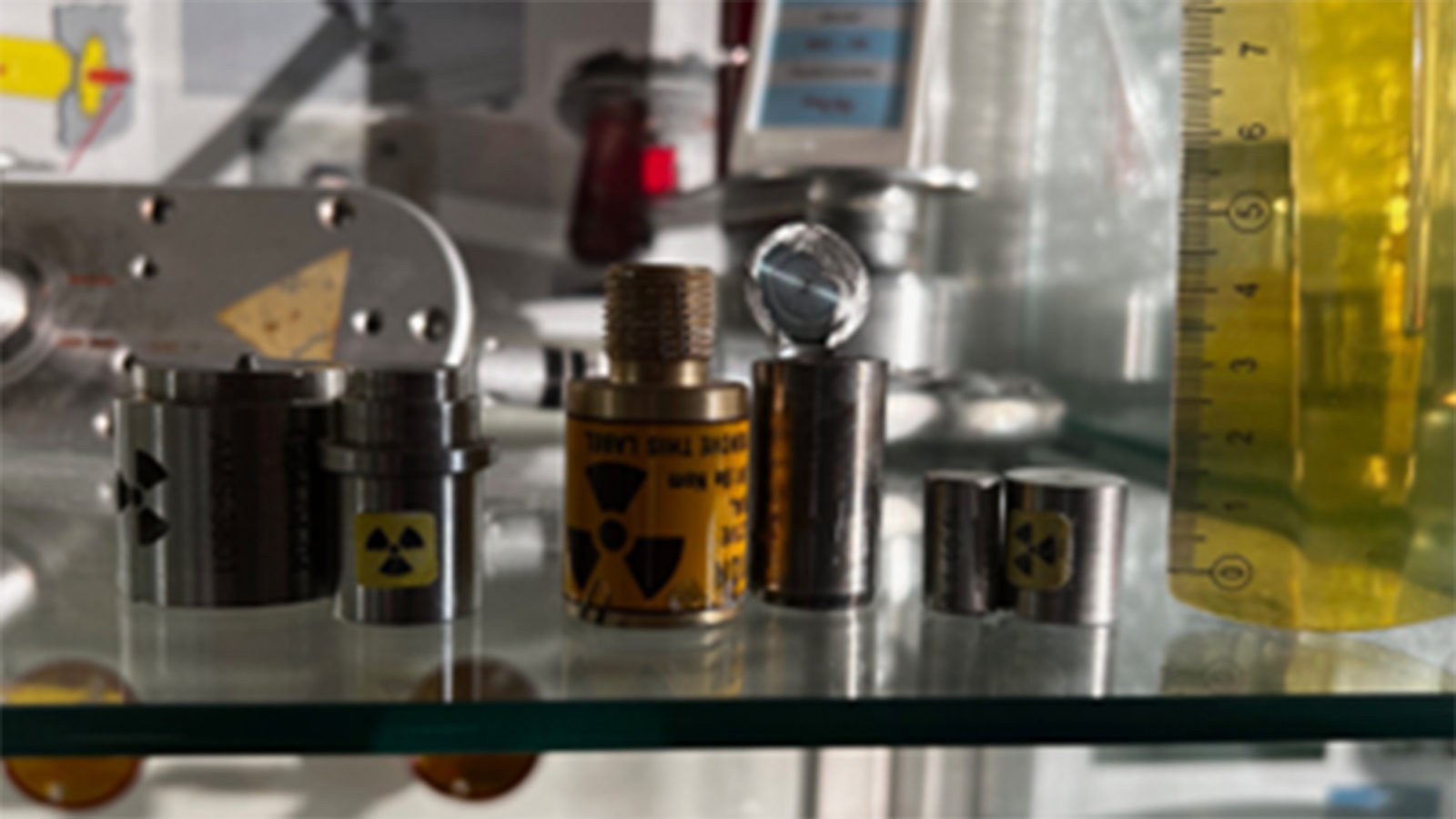
The use of nuclear technologies generates radioactive waste that must be safely managed. There are many different types of waste, and one example is from radioactive sources, which are used every day in fields such as medicine, industry and science. Once the radioactive sources can no longer provide the needed dose of radiation, they must be safely managed. IAEA scientists will hold an interactive demonstration session showing how this is done and visitors can have a try too!
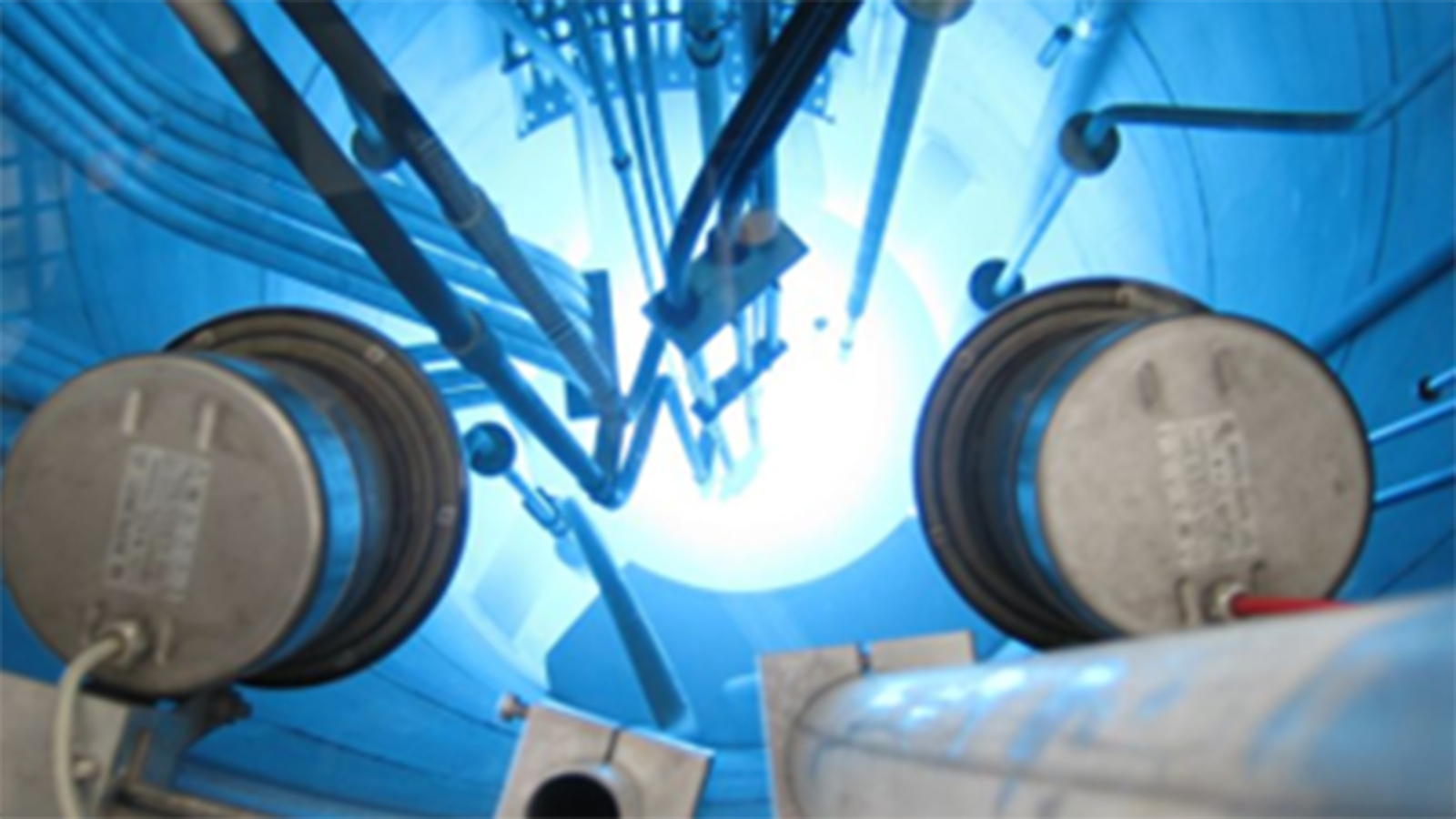
Did you know that Austria has its own nuclear research reactor? Do you want to learn more about how it’s used?
Research reactors are used for a range of applications across science, industry, medicine, education and training. Unlike power reactors, which generate electricity, research reactors are typically smaller and operate at lower temperatures and power levels. Hear from IAEA and TU Wien experts who are ready to answer all your questions. Peek inside a research reactor core for yourself! (Photo: TRIGA Mark II research reactor, Trigacenter/Andreas Musilek)
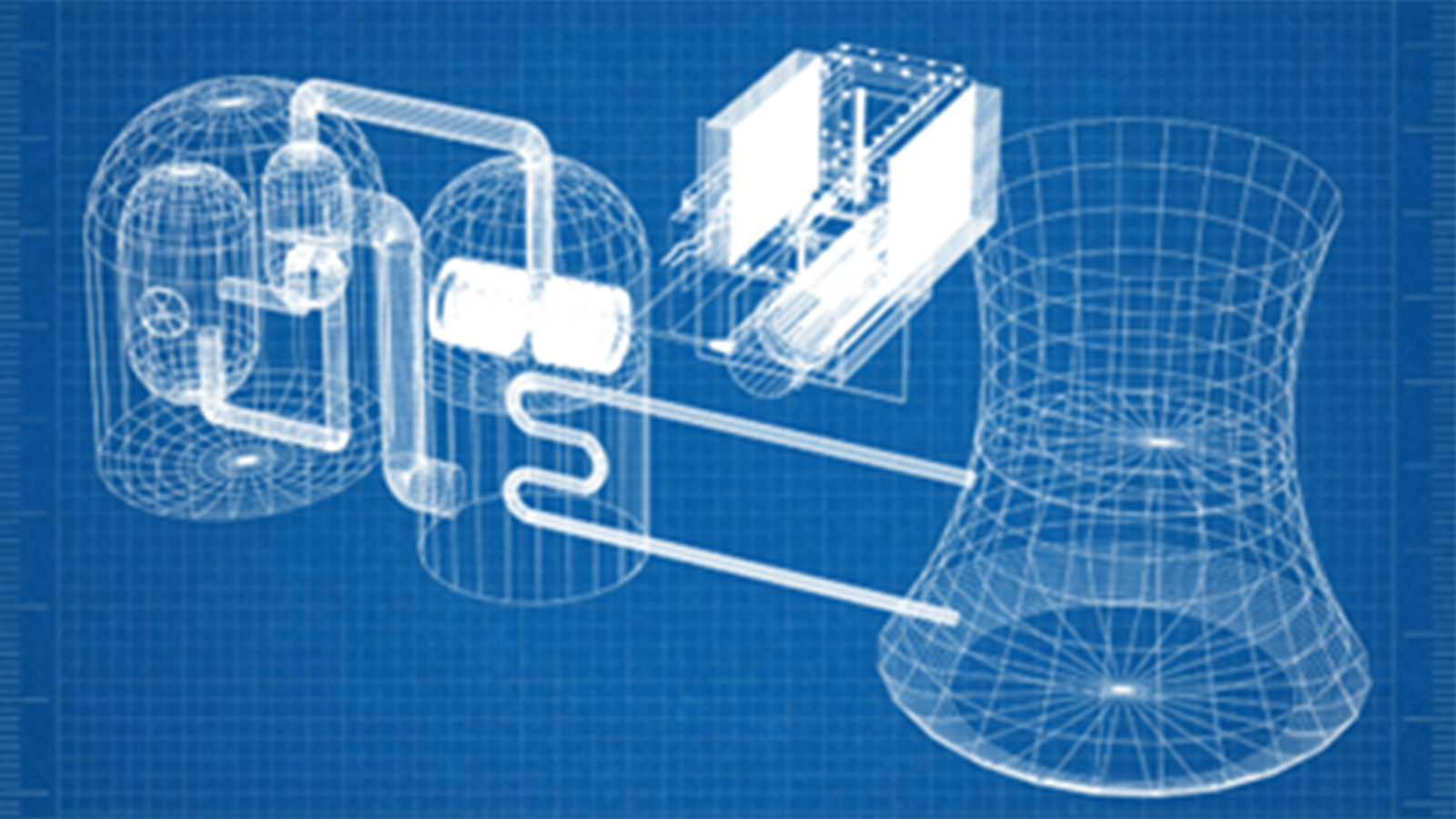
Have you ever wondered how nuclear power really works? Step inside a nuclear power plant! Participants can take a virtual reality tour that shows how a nuclear power plant works and operates and take a closer look at small-scale nuclear power plant models. Today, over 400 nuclear power reactors operate worldwide, producing about ~9% of the world’s electricity and around a quarter of it’s low-carbon electricity. Almost 60 reactors are under construction in 15 countries.
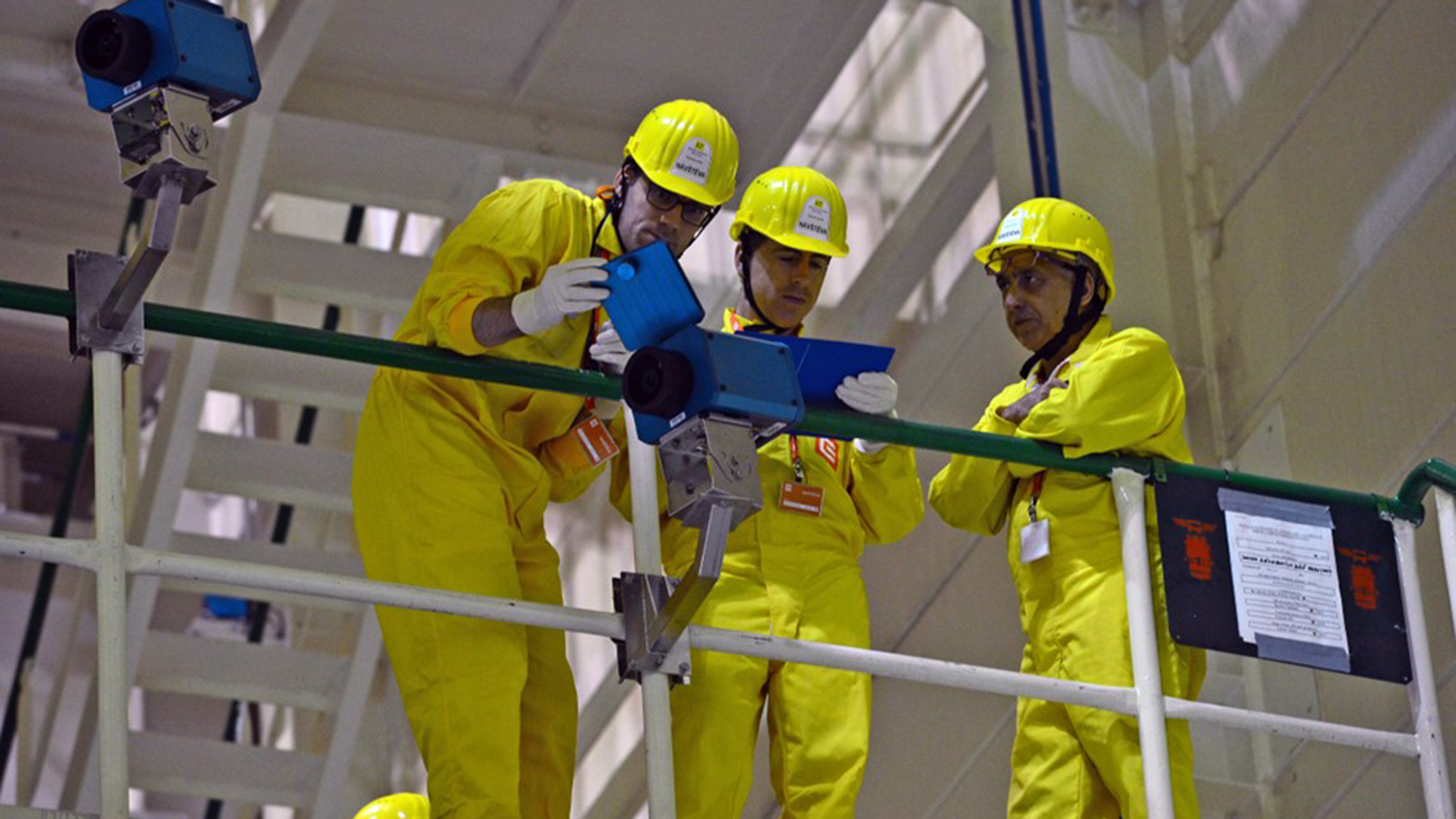
IAEA inspectors travel around the world to determine whether countries have provided correct and complete information about their nuclear material and activities, as they are obliged to. Our inspectors behave a bit like detectives! See how IAEA experts detect the invisible by wiping surfaces with swipes collecting traces of particles that reveal information, use surveillance cameras and seals on nuclear material and equipment, and collect and analyse satellite imagery. Come help an inspector find mock uranium particles, open and close our specialized cameras, and spot the clues from a satellite image!
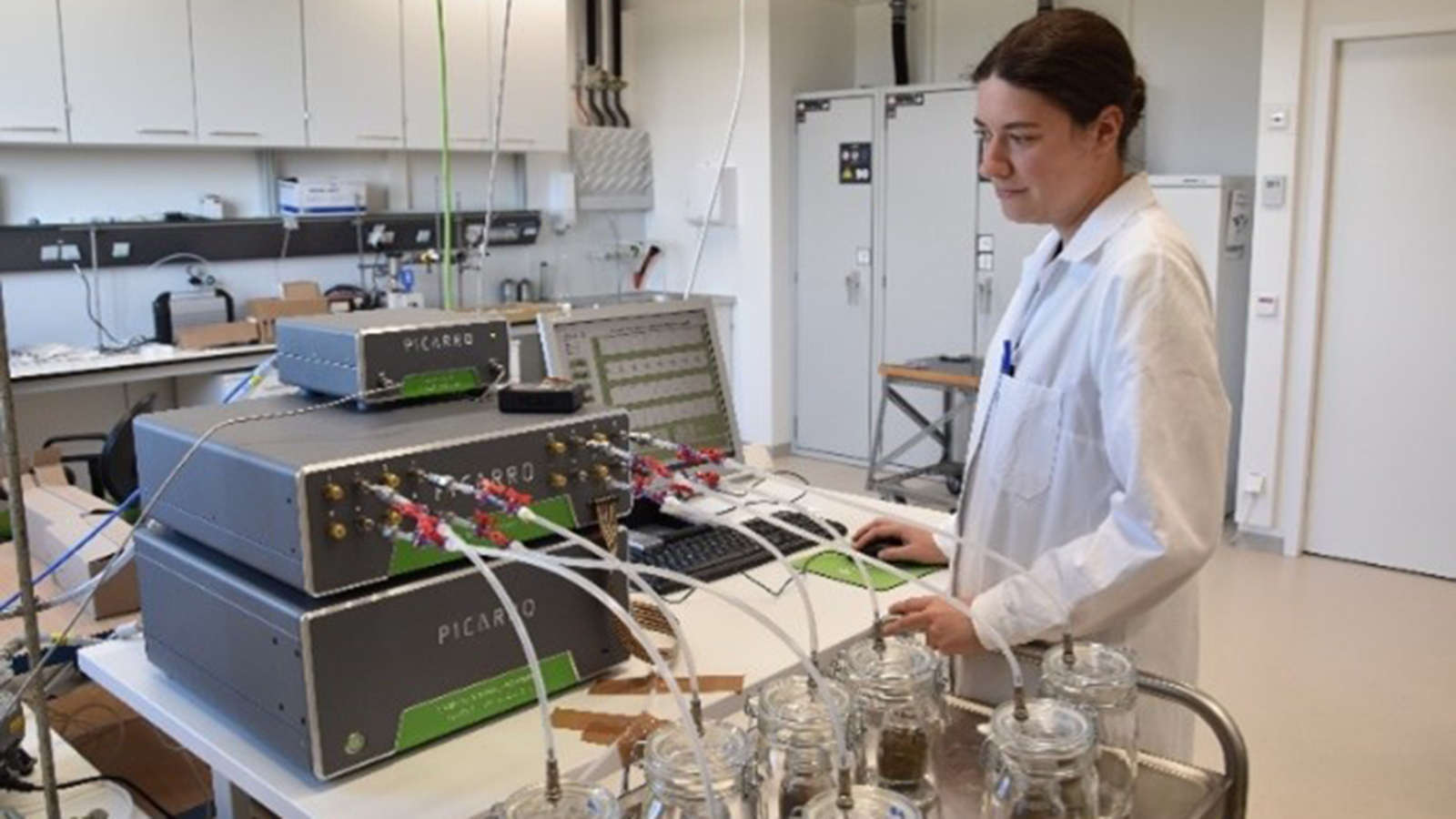
From health and energy to water and agriculture, the IAEA’s technical cooperation (TC) programme helps countries to tackle pressing challenges in many different areas. By providing new equipment, training experts and bringing countries together to work on shared problems, the TC programme makes a difference in people’s lives around the world. Pick up a map at the TC programme table to take part in a treasure hunt through the IAEA exhibitions to learn more!
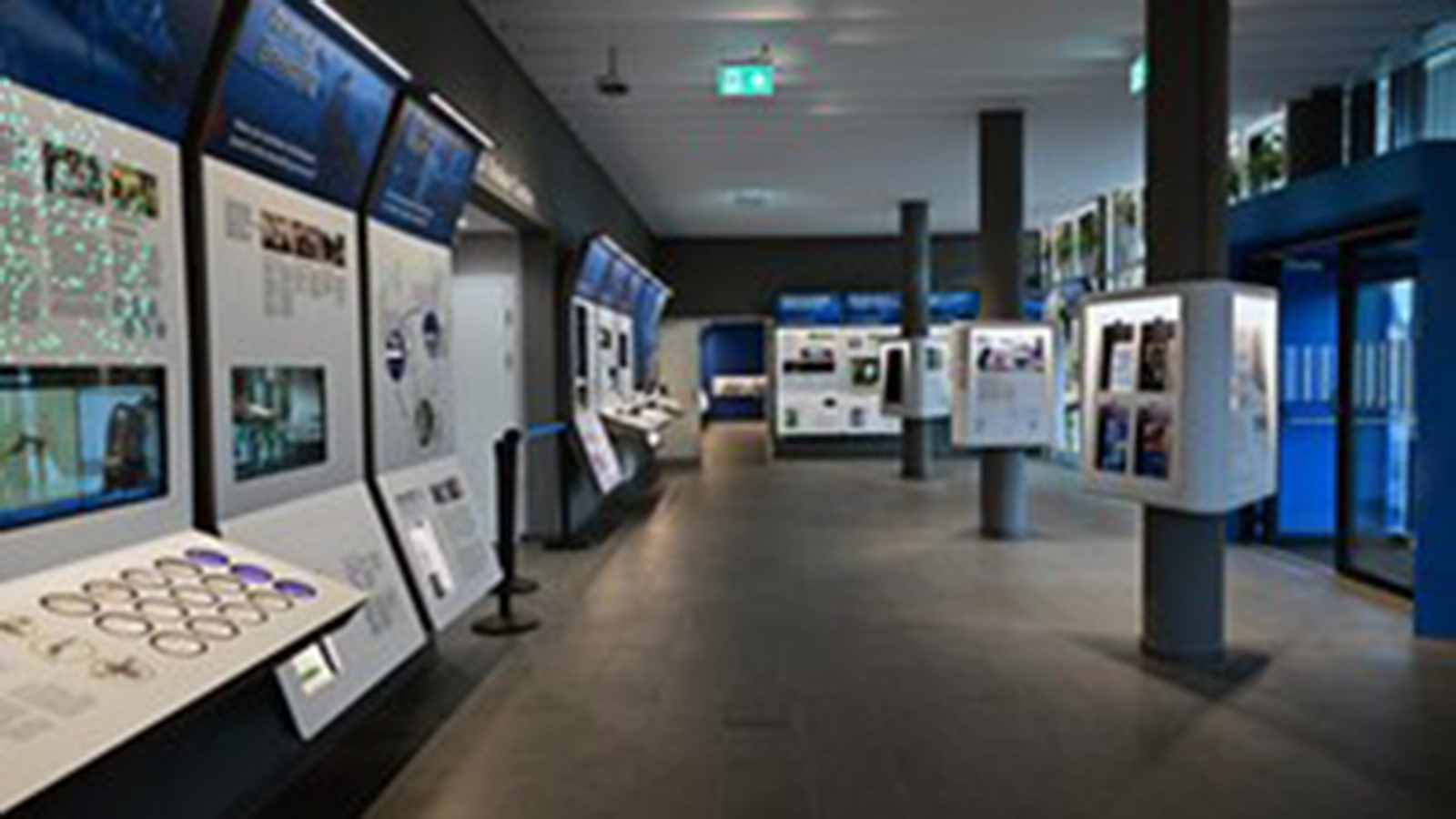
Just outside Vienna, the IAEA’s laboratories in Seibersdorf are home to a brand-new Visitor Centre featuring 33 interactive, state-of-the-art exhibits. Discover how nuclear techniques improve cars, help fight microplastics and how safeguards inspectors verify worldwide that nuclear material is used only for peaceful purposes. At the Long Night of Research, this display presents highlights from the Visitor Centre and offers a glimpse of how nuclear science and technology support the IAEA’s mission. Interested in seeing the full exhibition? Learn more and register your school or university group for a future visit to Seibersdorf.
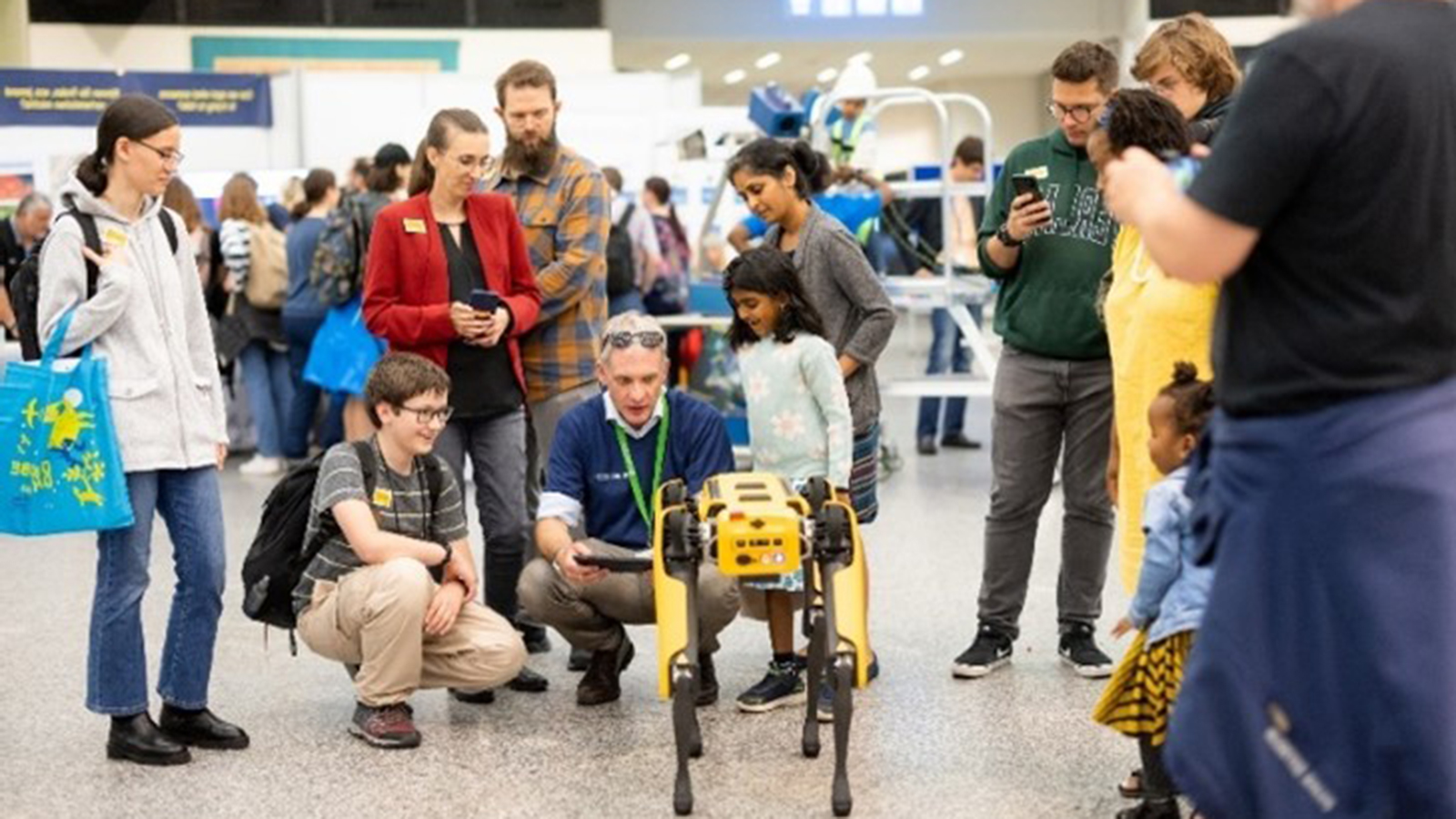
Step into the Preparatory Commission for the Comprehensive Nuclear-Test-Ban Treaty Organization (CTBTO) and see how we detect nuclear weapon test explosions worldwide. Experience the International Monitoring System (IMS) and its round the clock watch using seismic, infrasound, hydroacoustic and radionuclide technologies. Follow the data to the International Data Centre (IDC) in Vienna, where experts turn signals into clear answers about what happened and where. Then move to the field, exploring on-site inspection tools including a robot dog, radiation detectors, protective gear and virtual reality scenarios. Along the way, discover how the same science also helps track earthquakes, tsunamis and volcanic eruptions.
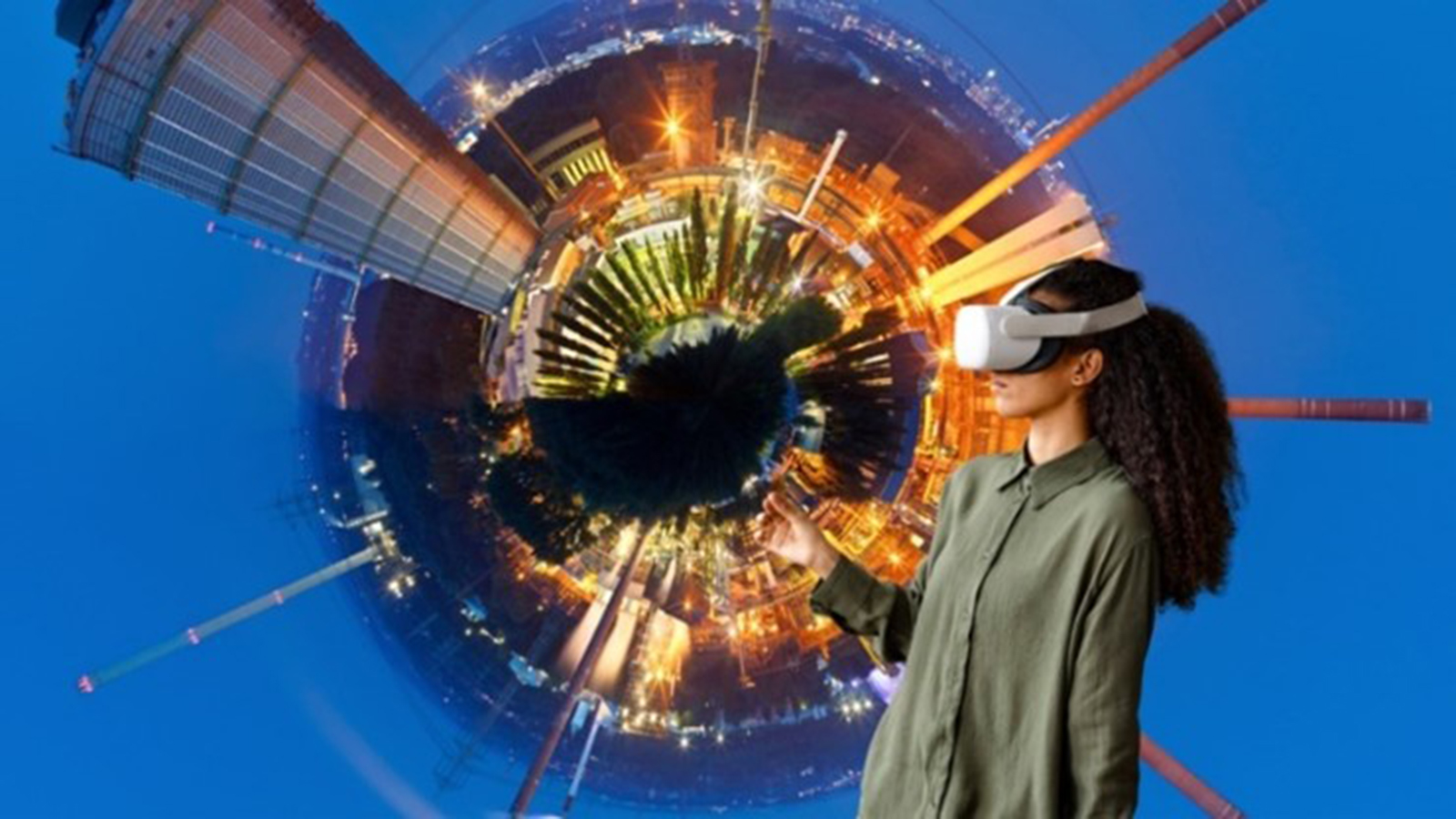
Explore the United Nations Industrial Development Organization (UNIDO) and discover how forward-looking research connects with UNIDO’s digital transformation work to drive sustainable and resilient industrial growth. Interact with the web version of the Industrial Development Report 2026 and get to know the global industrial trends shaping the decades ahead. Match our impact in numbers with everyday comparisons, step into a training programme in virtual reality experience and witness the power of digital transformation in action, offering an immersive look at how innovation is shaping the future of industries.
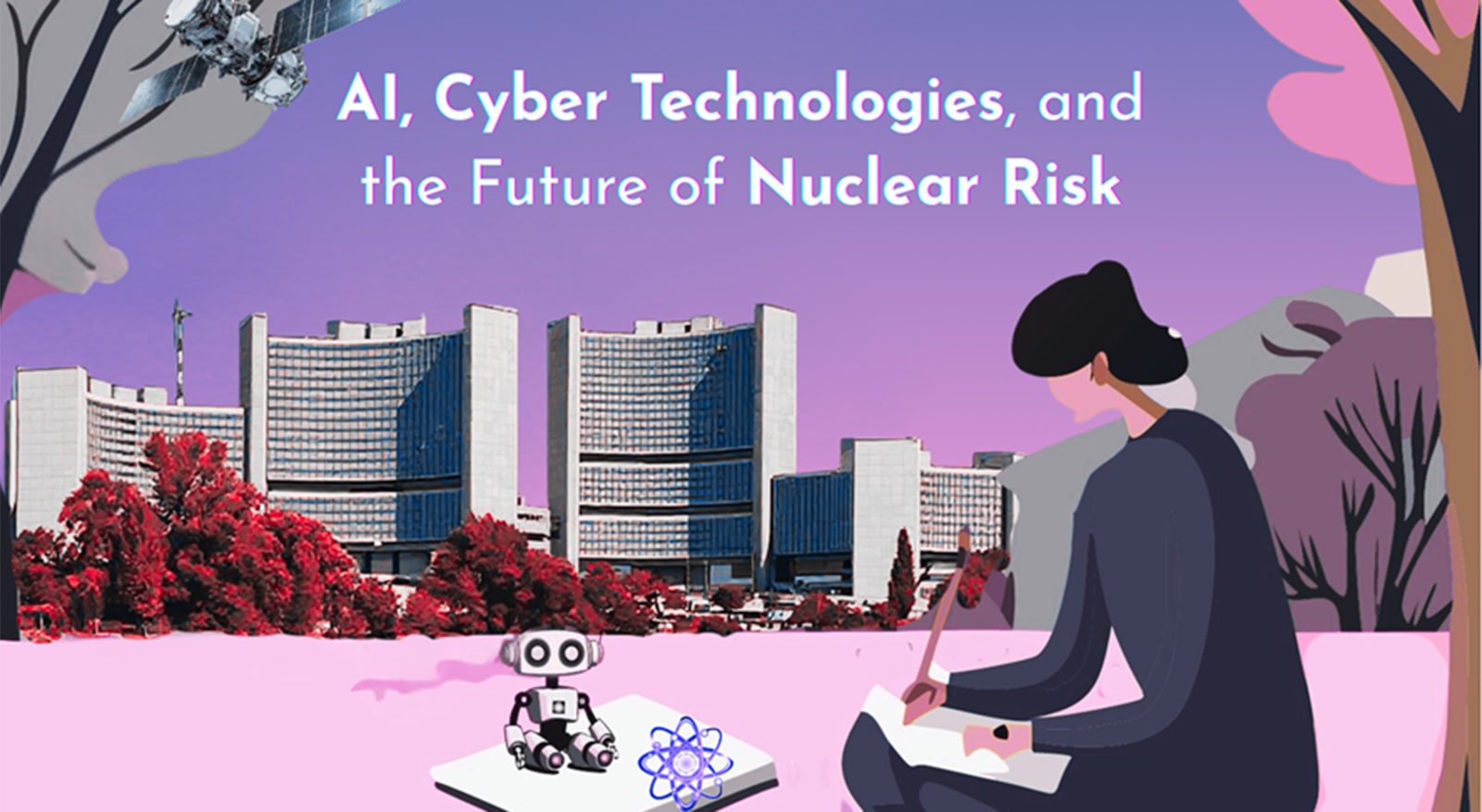
Step into the United Nations Office for Disarmament Affairs’ (UNODA) interactive stand to explore how emerging technologies intersect with nuclear risks and disarmament efforts. Test your knowledge at our spinning wheel for prizes, solve digital disarmament puzzles on a touch-screen totem, or fold origami while discussing big questions with our experts. Younger visitors can enjoy an activities booklet, and all are welcome to use our photo frame to commemorate this night of learning!
Migration is often in the news, but the realities behind global mobility are far more complex than what headlines convey. Data, research and analysis help us better understand why people move, how migration shapes societies, and what the trends of the future might look like. The International Organization for Migration (IOM) invites you to explore migration through real data and stories from Europe and Central Asia. Take part in a migration quiz, discover surprising facts about global mobility, and find out what your own migration footprint might be. See migration from a new perspective!
Discover how the International Commission for the Protection of the Danube River (ICPDR) uses the Joint Danube Survey 5 (JDS5) to bring science and society together to protect the Danube River. Take a look through the microscope at real river organisms, explore professional water sampling equipment and learn how innovative methods like eDNA and microplastic analysis reveal the river’s hidden story. Meet the scientists behind the research and see how citizen science helps track pollution, biodiversity and environmental change across borders!