Making the Most of All Available Steam
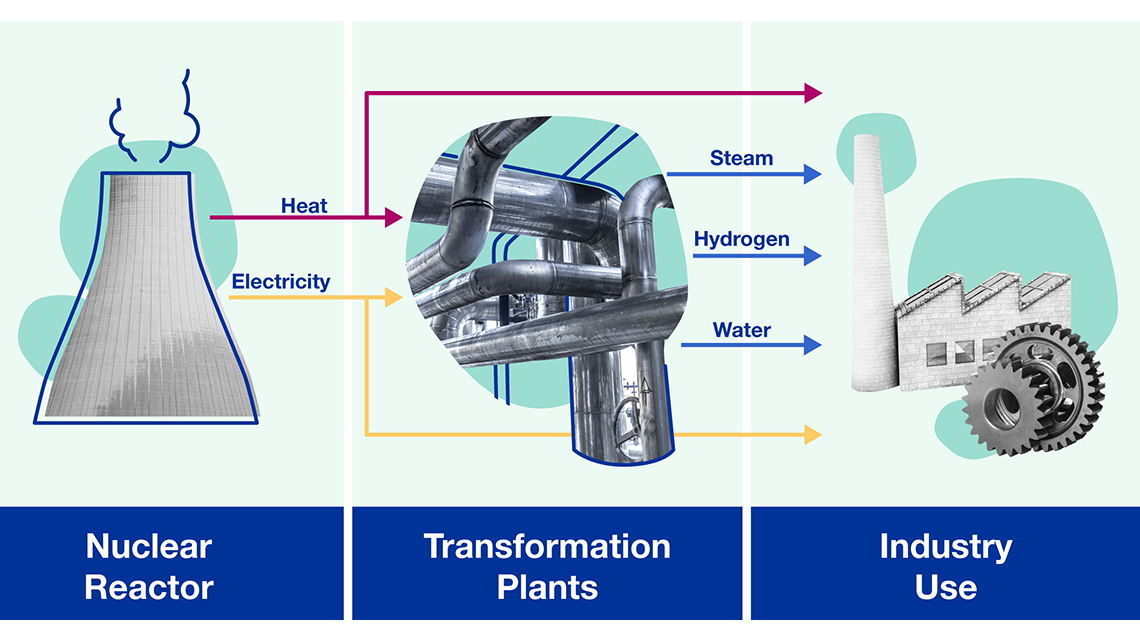
Nuclear power plants generate a vast amount of hot steam – this is their entire goal, as the steam drives the generators that make electricity. However, constrained by the laws of physics, only about one-third of the heat in steam can be converted into electricity, while the majority of the remaining heat becomes waste heat.
To increase efficiency, a plant needs to put this heat to productive use. Instead of releasing it into the environment, the steam can be used for heating or cooling, or as an energy source to produce fresh water, hydrogen or other products, such as oil or synthetic fuel. These products could be produced by existing nuclear power plants with only a very small reduction in power output, in what is referred to as cogeneration.
“The basic design of our nuclear energy heating system utilizes the high-temperature, high-pressure steam generated by the nuclear power plant primarily for electricity generation. After electricity is produced, the remaining steam is used for heating,” said Zhengqiang.
The steam is used to heat water at the plant through heat exchangers, ensuring there is no radiation in the heated water delivered to apartment heating systems.
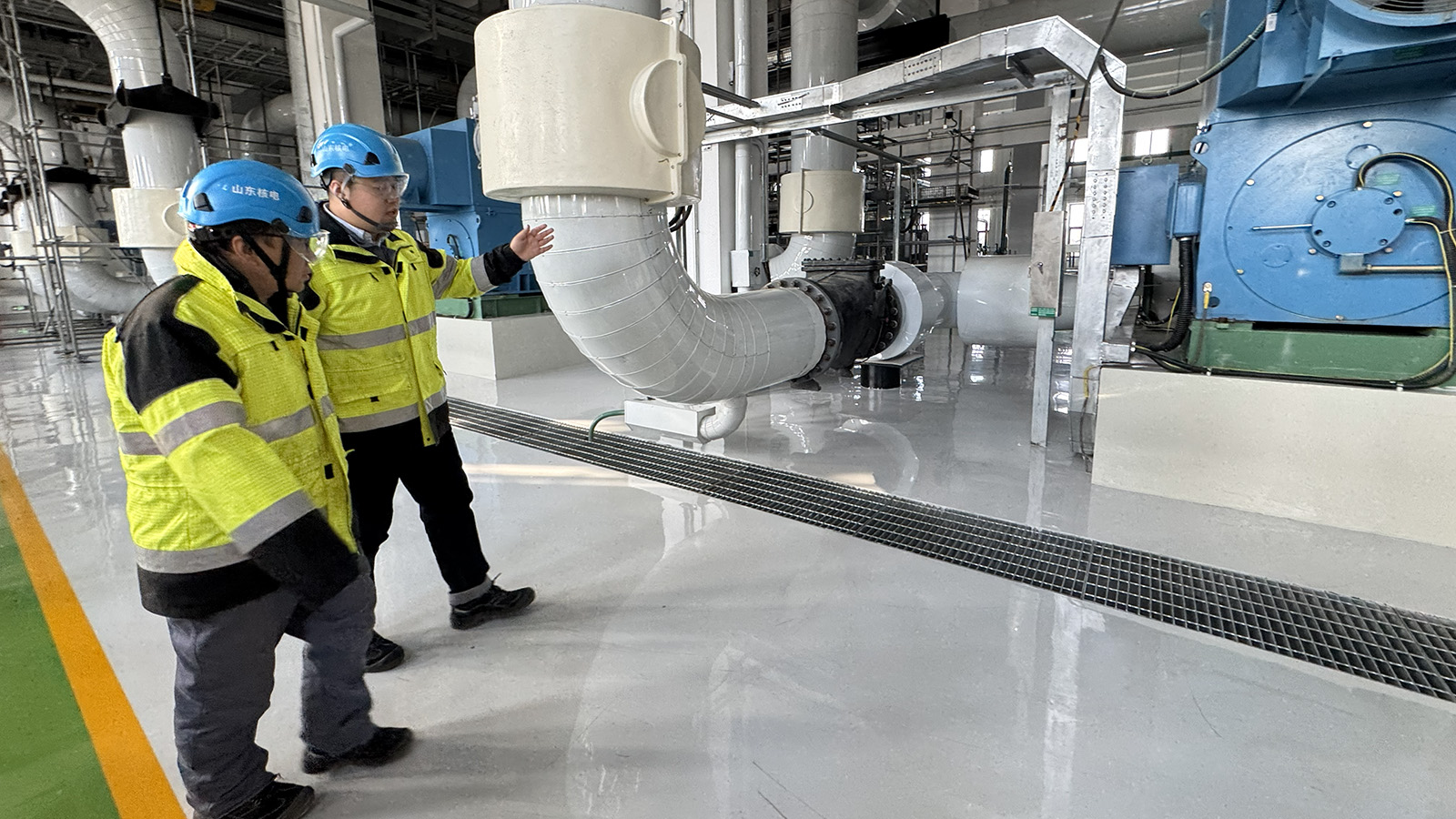
Thick white pipes snake out of the plant and carry this heated water to dispatch centres across the city – many of which used to be part of the old coal-powered heating systems but have since been cleaned out and upgraded with modern pumping and digital monitoring systems.