“With more than 80 SMR designs under development globally, it is paramount that nuclear safety and security are considered as early as possible. Supporting countries in preparing for SMR deployment is a priority for the IAEA.”
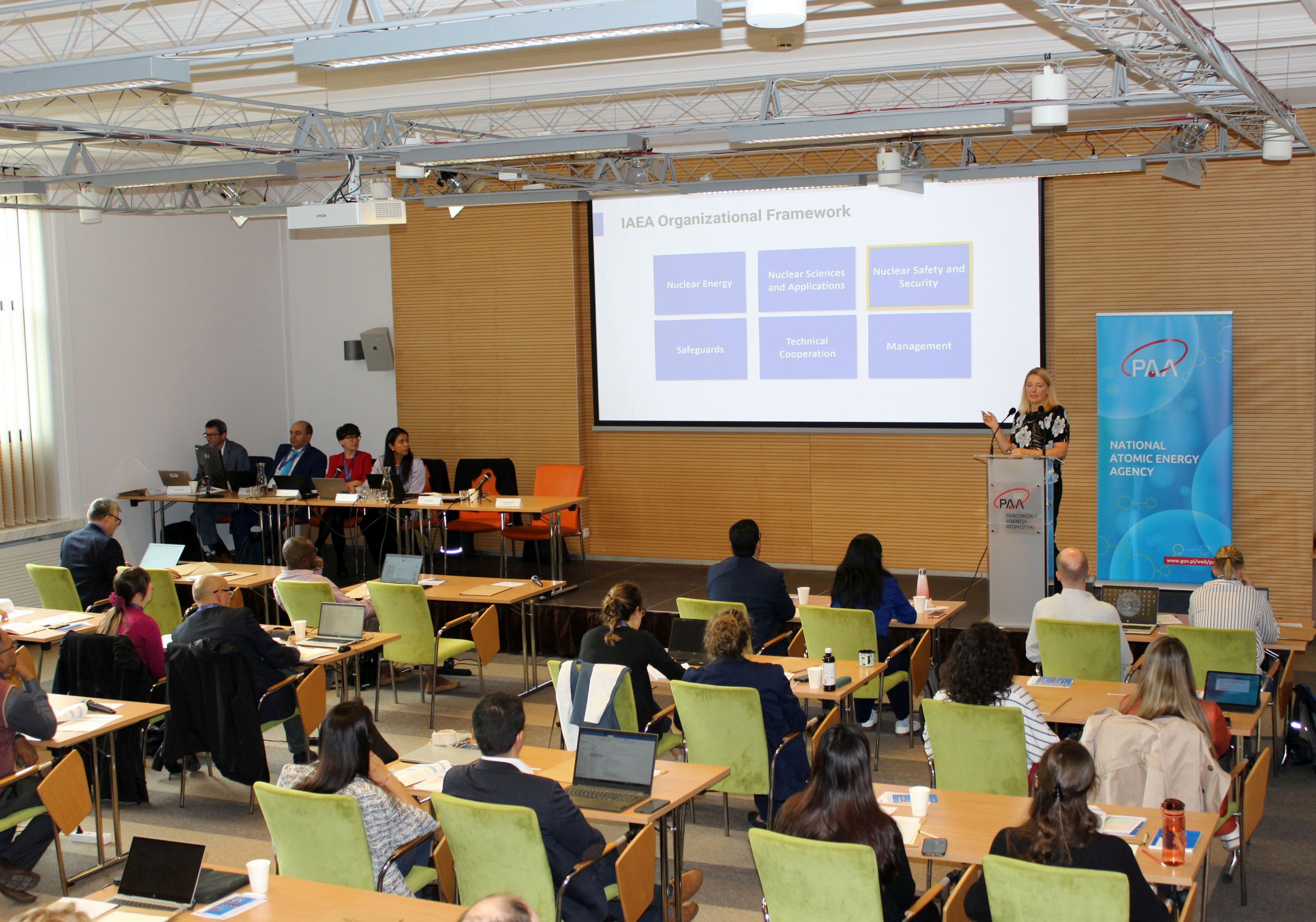
Experts from France, the USA and Canada presented how their regulators adapt frameworks and review processes to address the unique SMR designs. Other countries shared their plans to establish or adapt their regulatory frameworks to prepare for the implementation of this emerging technology.
Poland also shared its perspective on regulatory readiness for SMRs. Andrzej G?owacki, PAA President emphasized the country’s regulatory approach noting that “PAA as the Polish nuclear regulatory body, is constantly working to address the significant advances that have been made in recent years in new nuclear technology development. Although we do not have a nuclear power plant yet, the PAA has been intensively preparing to receive the first construction application in the coming years.”
He emphasized that Poland is closely examining a new regulatory approach to the SMR technologies including all aspects – safety, security and safeguards. “This event holds a special meaning for us, as a nuclear innovation, much like licensing the first NPP in a country, brings new regulatory challenges. An efficient regulator needs to be well prepared before new projects start,” he highlighted.
Representatives from the SMR Regulators’ Forum presented on the Forum’s common positions on the licensing process, graded approach, defence-in-depth, leverage of regulatory reviews. They also shared regulatory experiences from Czech Republic and the United Kingdom.
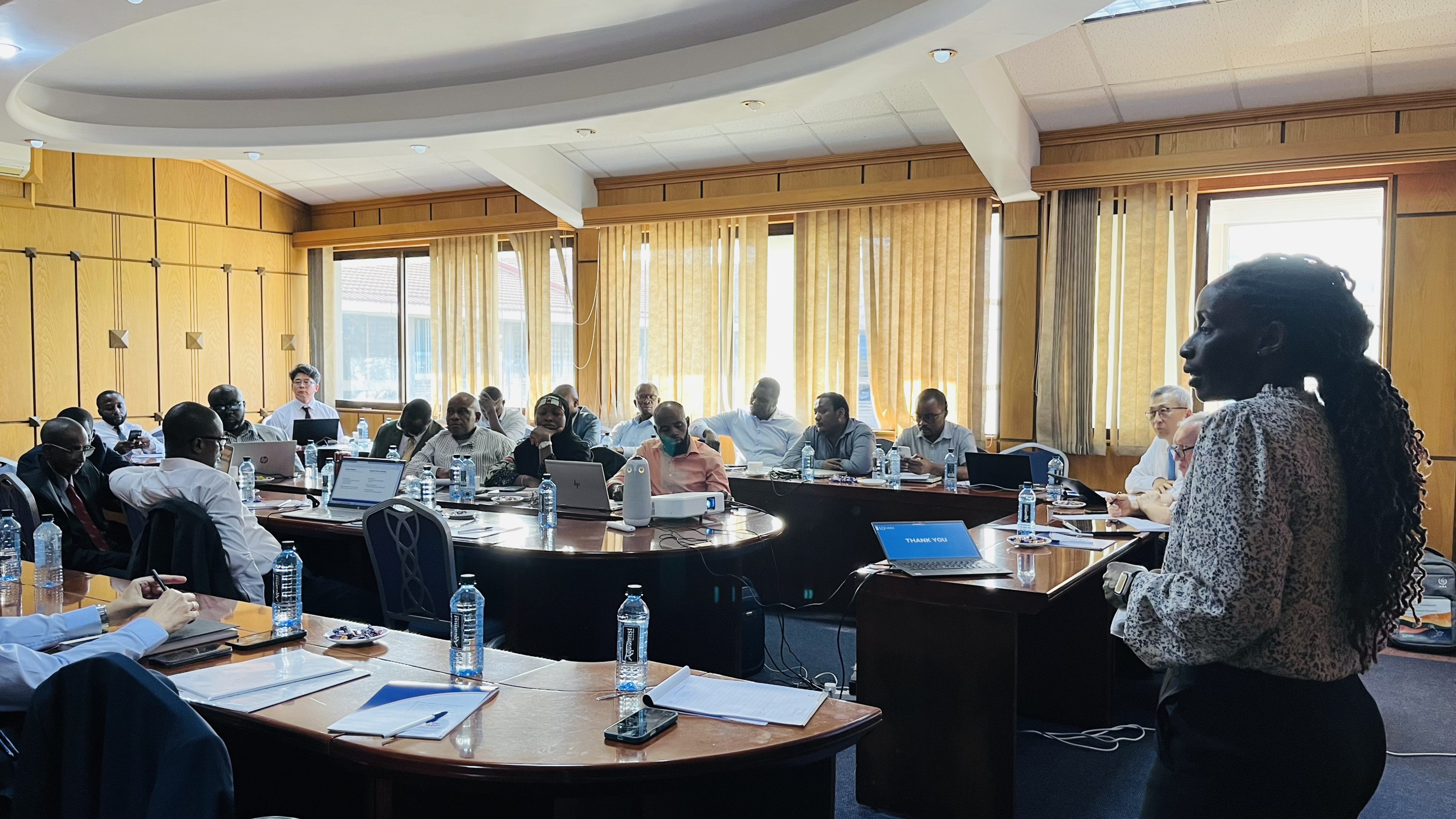
Participants also engaged in case studies on licensing procedures and safety analysis challenges, providing real world regulatory practices.
Regulatory cooperation
The Pilot School for Regulating SMRs highlighted global regulatory cooperation and capacity building. Outcomes of the meeting included IAEA’s commitment to support collaboration, peer learning and plans to evolve the school into a modular programme.
The modular programme for the School for Regulating SMRs will include:
-
Basic Module on SMR safety fundamentals;
-
Intermediate Module on design reviews using case studies;
-
Advanced Module on regulatory challenges, including the positions developed by the SMR Regulators’ Forum.
The school will be held annually under the SMR Technical Cooperation interregional programme, with the next training scheduled for April/ May 2026.
In her reflection on the meeting, Paula Calle Vives, Senior IAEA Technical Officer for the School for Regulating SMRs, highlights that “There is currently no comparable international programme that offers the same level of depth in both technical and regulatory details as the Pilot School for Regulating SMRs. This underscored the importance of this information exchange in shaping global approaches to SMR governance and capacity building.”
IAEA role in building capacity for SMR deployment
The IAEA provides comprehensive support to countries on the development, deployment and oversight of SMRs through its SMR Platform, Nuclear Harmonization and Standardization Initiative and in cooperation with SMR Regulators’ Forum and the Regulatory Cooperation Forum.
Since 2019, the IAEA and the SMR Regulators Forum have organized regional workshops for regulatory bodies and stakeholders in countries embarking on a nuclear programme to build their capacity for SMR deployment. Embarking countries often lack experience and infrastructure to regulate SMRs effectively.
The SMRs School bridges this gap through structured learning, peer exchange and expert guidance through workshops. It also supports international alignment and regulatory cooperation, essential for global SMR deployment.