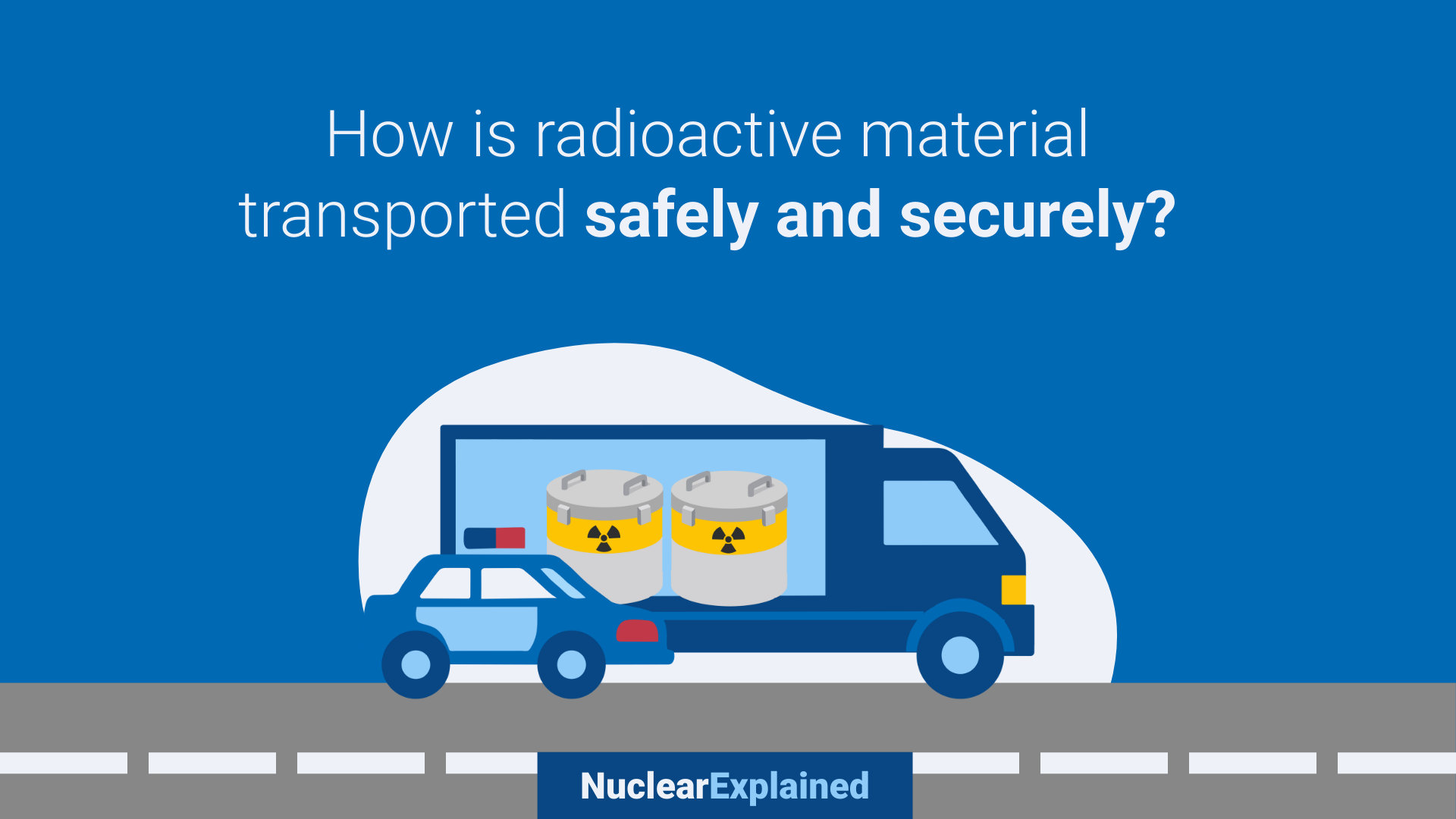
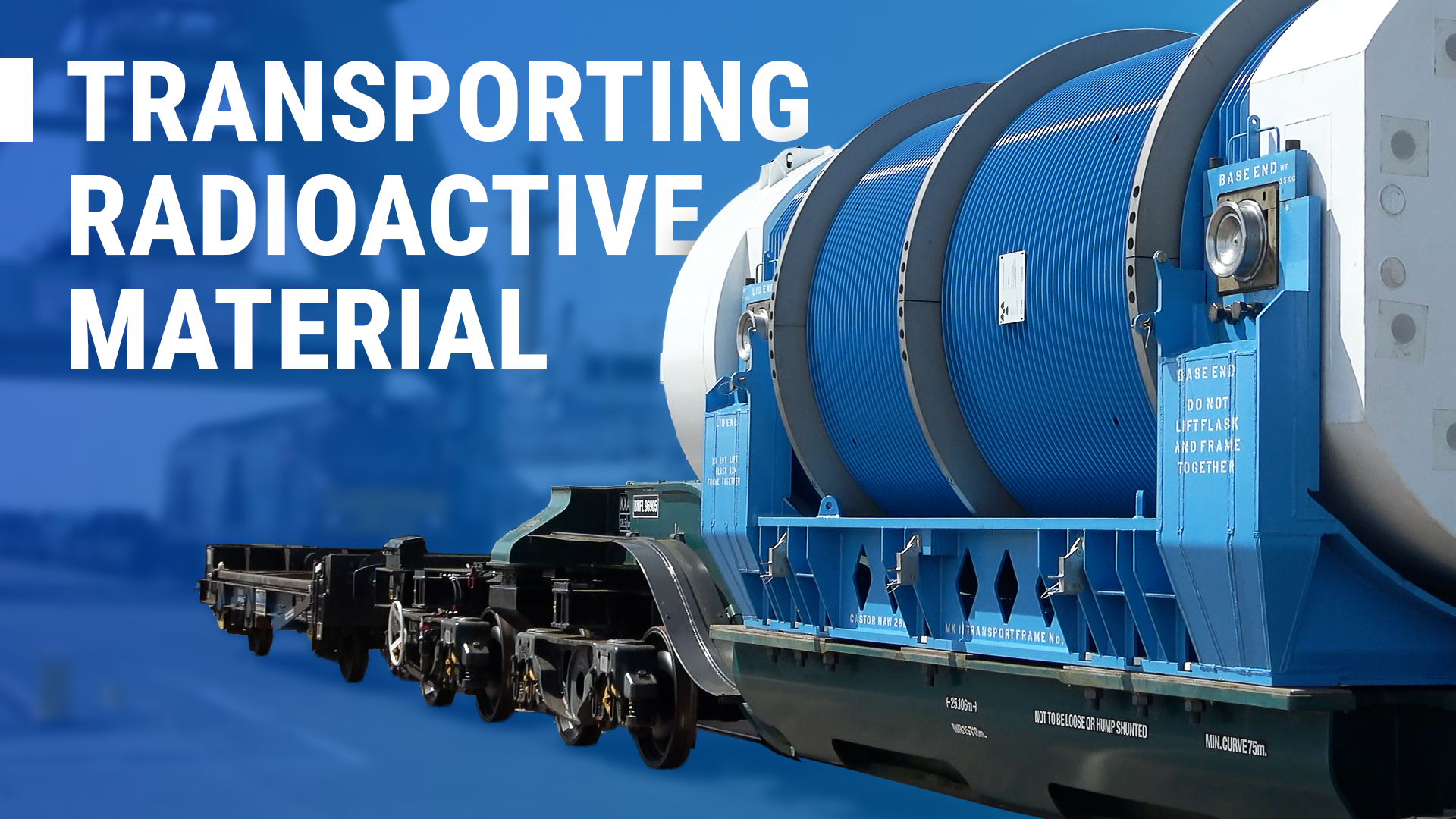
Every day, millions of shipments of nuclear and radioactive material move safely and securely within and across countries’ borders by road, rail, sea and air. For example, radiopharmaceuticals are delivered to hospitals for medical diagnosis and treatment, and sealed sources are transported for industrial use in tools and equipment such as gauges that measure the density, moisture, level and thickness of materials.
Such shipments operate within a robust global safety framework that in more than 60 years has not recorded a transport incident causing a significant radiological hazard to people or the environment.
The IAEA has published revised safety standards outlining requirements to ensure safety and protect people, property and the environment during the transport of radioactive material. The 2025 edition of the Regulations for the Safe Transport of Radioactive Material updates the 2018 edition.
The IAEA transport regulations provide the internationally recognized framework that enables radioactive material to be transported safely and efficiently across all modes of transport,” said Hildegarde Vandenhove, Director of the IAEA Division of Radiation, Transport and Waste Safety. “This latest revision reflects continued advances in scientific knowledge and operational experience, while maintaining the harmonized approach that underpins the strong global safety record of radioactive material transport.”
Various aspects of the 2025 edition of the regulations are being discussed at the IAEA’s International Conference on the Safe and Secure Transport of Nuclear and Radioactive Material in Vienna, as well as challenges, emerging issues, and opportunities to further strengthen global transport safety.
“As nuclear applications and transport technologies continue to advance, transport safety regulations must evolve accordingly to strengthen the exceptional safety record achieved globally,” said Hilaire Mansoux, Head of the IAEA Regulatory Infrastructure and Transport Safety Section.