• <menu id="888u4"><menu id="888u4"></menu></menu>
  • IAEA Supports Stocktaking of Radioactive Sources in the Caribbean Part of the Kingdom of the Netherlands

    Experts reading information from an X-ray machine at a medical centre in Aruba. More than 95 per cent of the man-made radiation dose the global population is exposed to stems from medical exposures.  (Photo: V. Pereira/IAEA)

    Authorities in Aruba, Bonaire, Saba, Sint Maarten and Sint Eustatius have received IAEA support to develop a comprehensive inventory of ionizing radiation sources used in medicine and industry under a partnership between the IAEA and the Kingdom of the Netherlands. 

    A team of international experts and technical officers from the IAEA and the Netherlands visited over 100 facilities across the five islands in August to collect information. They also met with relevant local authorities to discuss ways to strengthen radiation safety in the Caribbean part of the Kingdom of the Netherlands. 

    Ionizing radiation sources are widely used in medicine, energy production, industry and research. From X-ray machines for medical checkups to nuclear gauges and non-destructive testing in industry, the use of radiation can bring many benefits. 

    The IAEA develops safety standards and security guidance and supports countries in implementing a comprehensive approach to ensure that radioactive sources remain under regulatory control. When a disused source is abandoned or misplaced, for example, it can pose a serious risk to people and the environment. 

    “Establishing a comprehensive national inventory is a fundamental first step towards the implementation of necessary measures to ensure long-term radiation safety and security,” said Vivian Pereira Campos, an IAEA nuclear engineer who participated in the mission. 
    Mission Covers Over 100 Facilities Across Five Islands

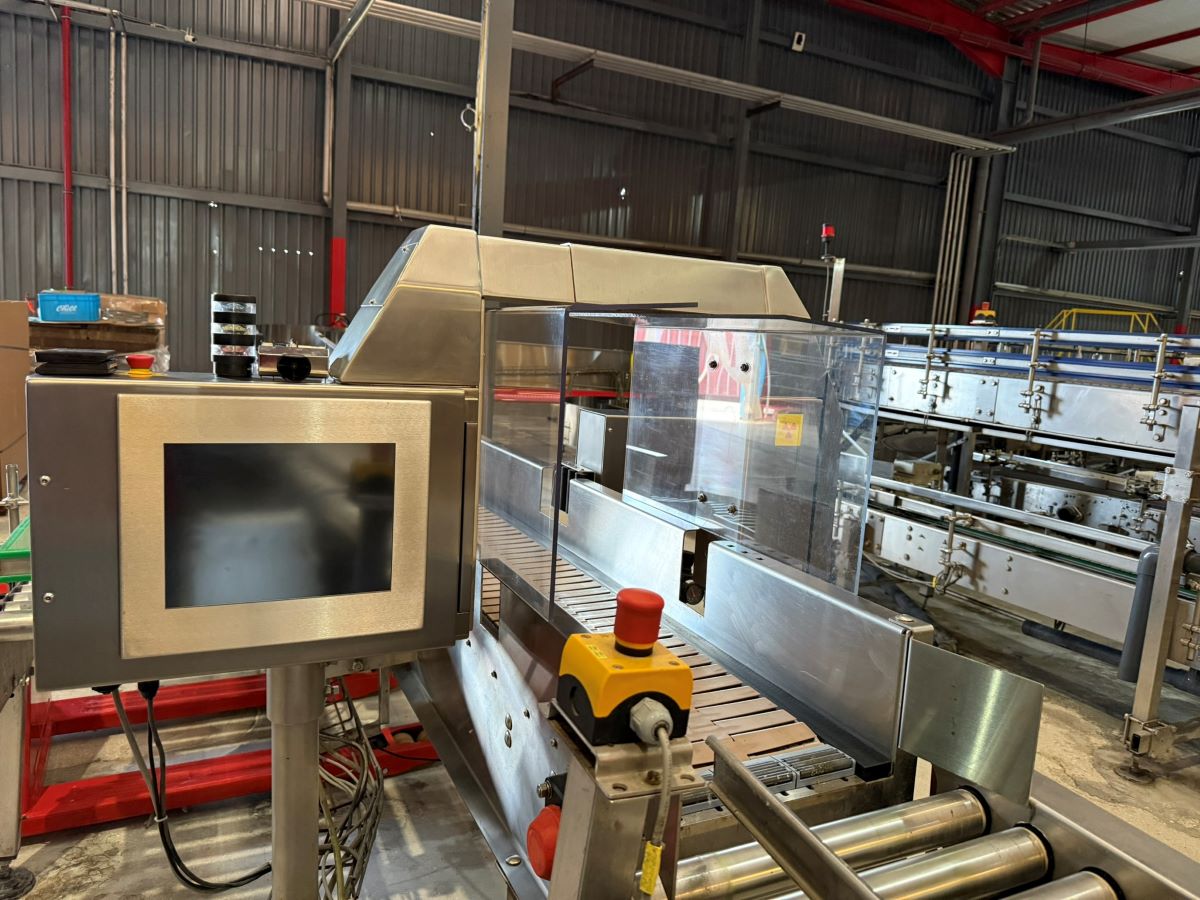
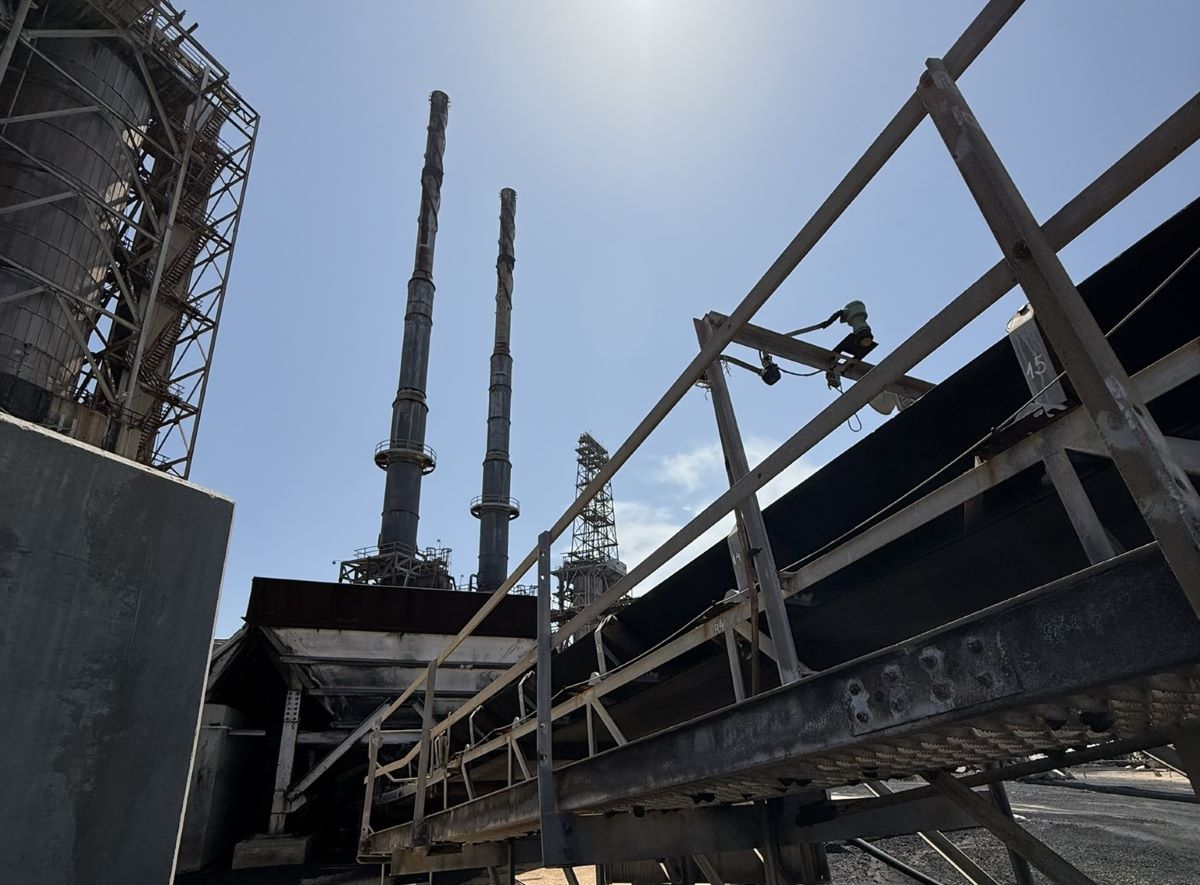
    Oil and gas industries rely on nuclear gauges that use radiation to measure materials and their density or level. The expert team visited an old oil refinery in Aruba. (Photo: V. Pereira/IAEA) 


    In Aruba, the largest island visited during the mission, the IAEA team assisted the Ministry of Health in reviewing 39 industrial and medical facilities. 

    Site visit to Tropical Bottling, Aruba. Level gauges are used for quality control in several industries, including food production. (Photo: V. Pereira/IAEA)


    “This helps us lay a solid foundation for the future, ensuring that our island is better prepared to address challenges and embrace opportunities with resilience and confidence,” said Roselynn Angela, Inspector of Pharmaceuticals in the Department of Medicine Inspection at the Ministry of Health in Aruba. 

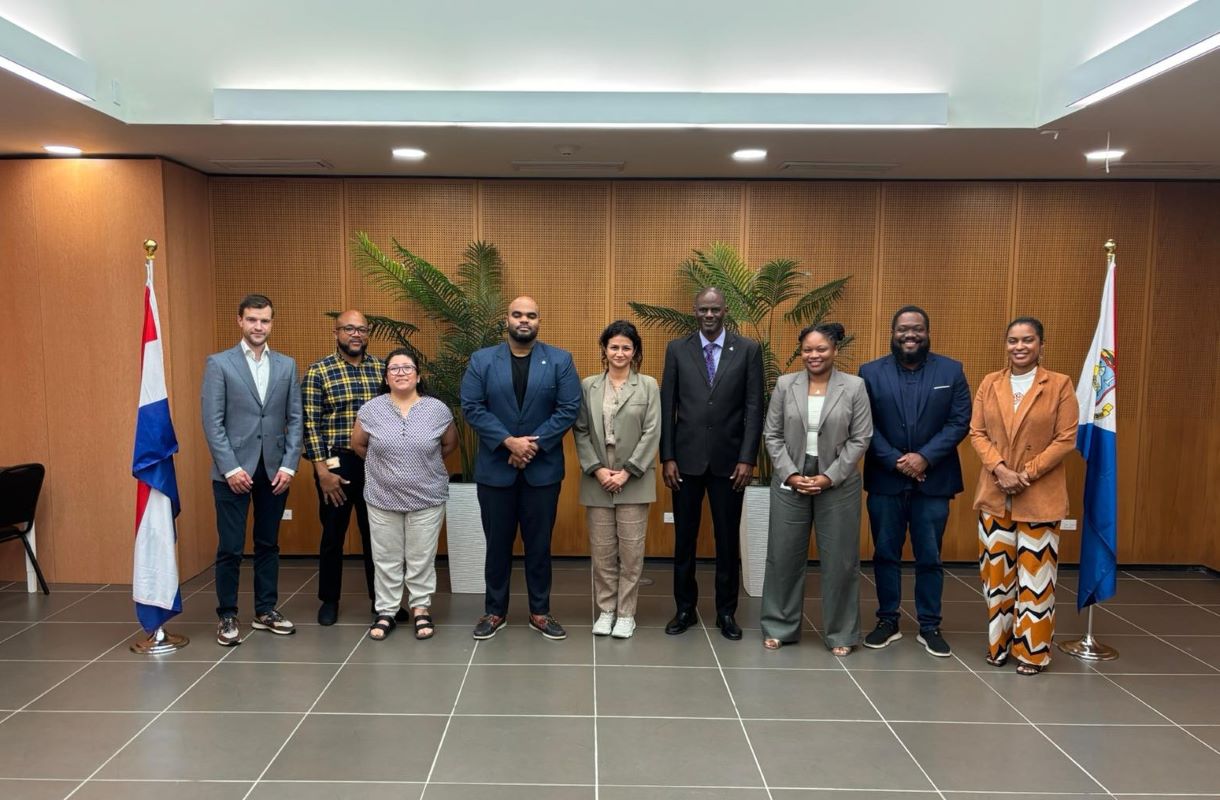
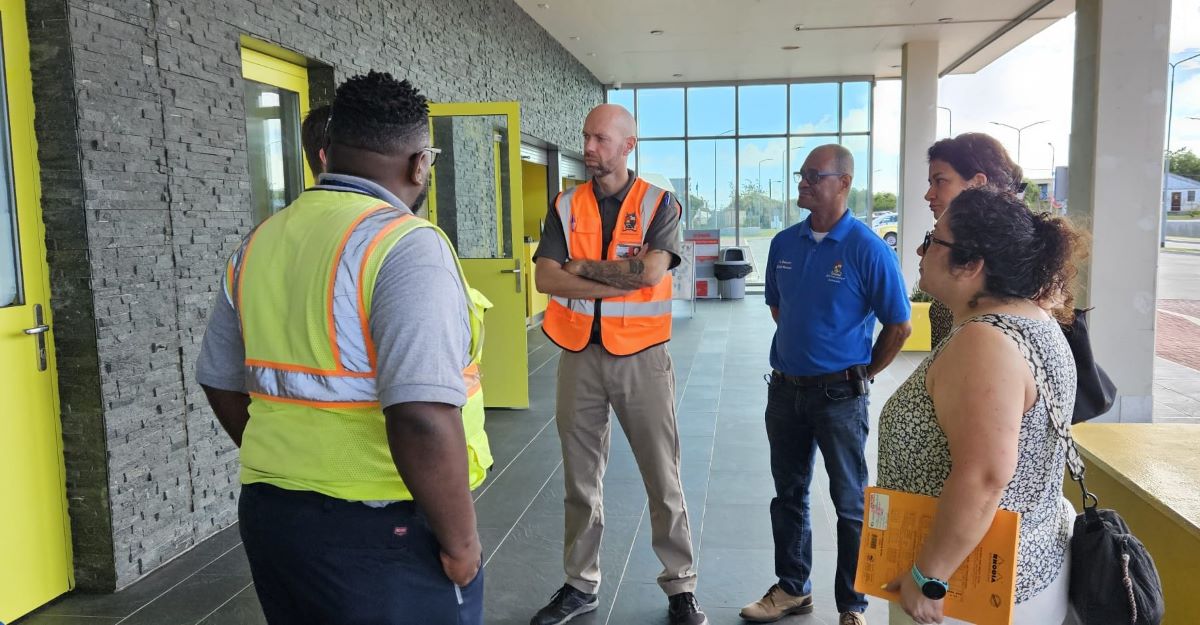
    Expert mission team with St Maarten’s Minister of Public Health, Social Development and Labor, representatives from the Department of Public Health and the Minister of Public Housing, Spatial Planning, Environment and Infrastructure. 


    “This mission allowed us to gain new insights into aspects of radiation safety that we had not previously considered,” said Tanisha Guy, Policy Officer in the Department of Public Health of Sint Maarten. The team visited 27 medical and industrial facilities on the densely populated island.  

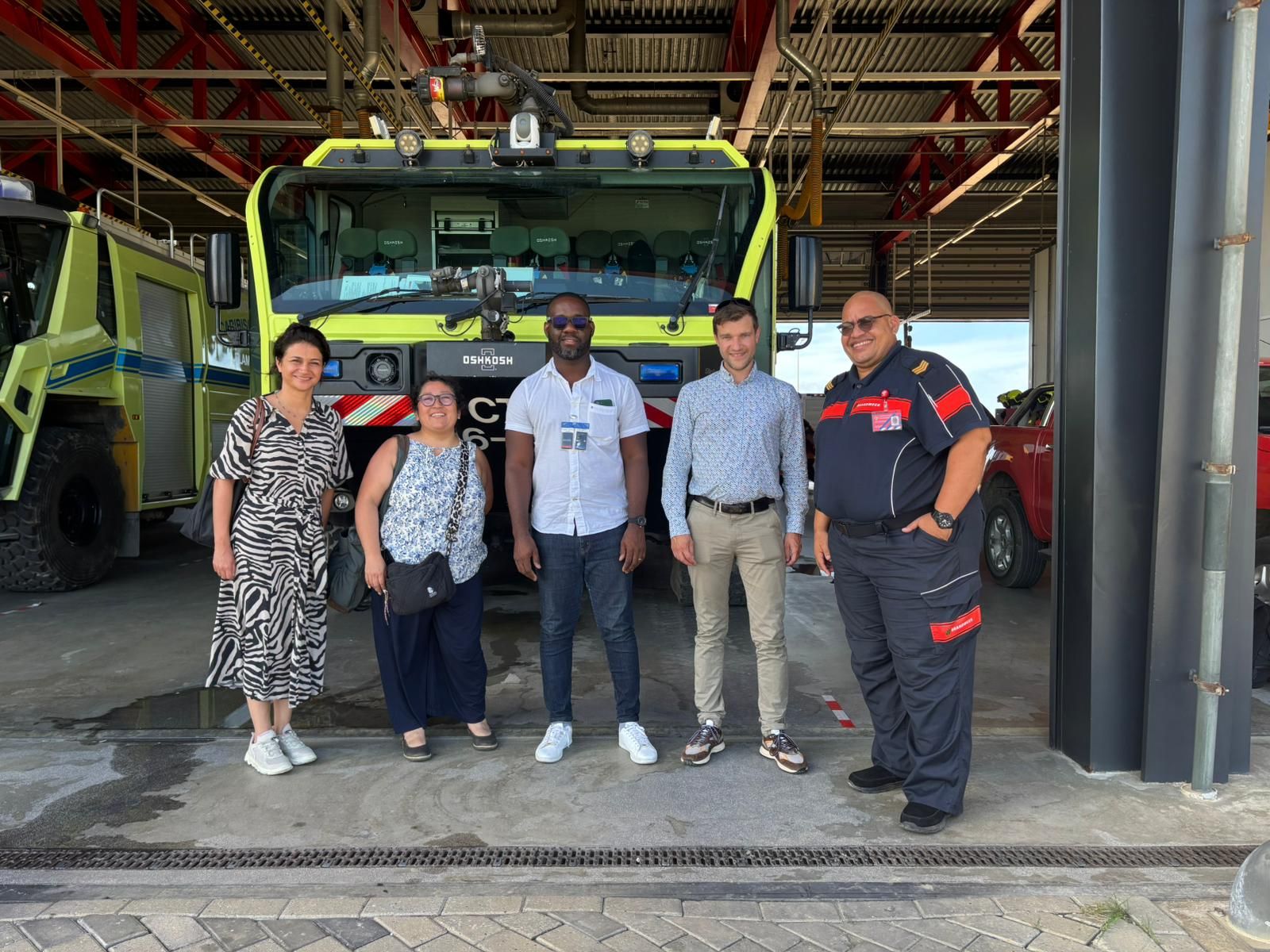
    During a visit to Bonaire’s Fire Department, the team shared information about typical devices that may contain radioactive material and discussed the role of first responders. (Photo: V. Pereira/IAEA)


    In Bonaire, the international experts collaborated with the Policy Officer of Environment at the Directorate of Spatial Planning and Development and assessed 21 industrial and medical facilities. They also visited the Fire Department to raise awareness about devices that may contain radiation and to discuss the role of first responders in the event of an incident. 

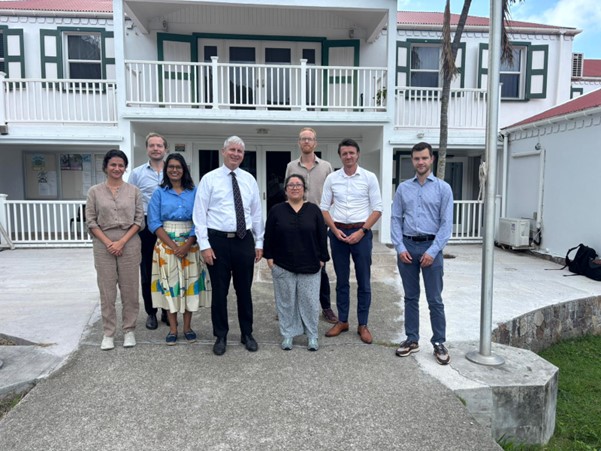
    Group photo Saba

    The team of international experts met with Saba Island Governor Jonathan G. A. Johnson. (Photo: V. Pereira/IAEA)


    In Saba, the team reviewed nine industrial and medical facilities that use radioactive sources. “As a small island, we could not have achieved this inventory alone,” said Menno Bakker, Head of the Department of Public Health and Sports in Saba. “The expertise and support provided by the mission team ensured its successful completion.” 

    As a follow-up to the mission, with extrabudgetary support from the Netherlands, the IAEA will procure radiation detection equipment and software through its technical cooperation programme, and train personnel in all islands to strengthen regulatory oversight.

    St Eustatius airport

    In Sint Eustatius, the international experts were supported by the Disaster Crisis Office and visited six industrial and medical facilities. Here, the team is engaged in a discussion with airport authorities. (Photo: V. Pereira/IAEA)


    The mission follows a previous exercise by the IAEA and the Netherlands to increase radiation safety in the region. In 2019, a similar mission was completed in Curacao. 

    “This mission demonstrates the value of collaboration,” said Esin Cumert, Senior Policy Officer at the Nuclear Safety and Radiation Protection Division in the Ministry of Infrastructure and Water Management of the Netherlands. “Through partnership with the IAEA and commitment of local authorities and stakeholders, an inventory of radiation sources was established — a vital step towards a safer future.”

    午夜爱爱爱爱爽爽爽视频网站