• <menu id="888u4"><menu id="888u4"></menu></menu>
  • Medical Centre in Uganda Treats Paediatric Brain Tumour Using Advanced Technique

    Hands-on sessions during the IAEA’s national training course in November 2025 enabled participants to develop in-depth understandings of volumetric modulated arc therapy planning and treatment. (Photo: Uganda Cancer Institute)

    For the first time, the Uganda Cancer Institute in Kampala has treated an aggressive paediatric brain tumour using an advanced radiotherapy known as volumetric modulated arc therapy, with support from the IAEA. 

    This technique shapes radiation doses to the targeted area while better protecting surrounding sensitive tissues, drawing on the IAEA’s expertise and support provided through a national project to strengthen radiotherapy services.

    “The IAEA’s training course in November has not only broadened the cancer treatment options available to children in East Africa but also raised the standard of radiotherapy services,” said Solomon Kibuddi, Head of the Uganda Cancer Institute’s Department of Radiation Oncology. 

    While rare in adults, medulloblastomas are among the most common brain tumours in children accounting for nearly one-fifth of all such tumours. These aggressive tumours grow quickly and can spread throughout the central nervous system to other parts of the brain and to the spinal cord. Alongside surgery and chemotherapy, radiotherapy is considered a key treatment. The dose, amount and timing of radiation depend on the type of medulloblastoma, the extent to which the tumour has spread and the age of the child. 

    Despite the global burden of paediatric cancers, over 11 million children of the estimated 13.7 million new cases between 2020 and 2050 are projected to die in the absence of any intervention according to the 2020 Lancet Oncology Commission on Sustainable Care for Children with Cancer. Nearly 85 per cent of these deaths are expected to occur in low- and middle-income countries.  

    To address this challenge, the IAEA’s human health and technical cooperation programmes organized a national course on volumetric modulated arc therapy (VMAT) – a form of radiation therapy that is well adapted for treating paediatric tumours. Through hands-on sessions and clinical lectures, around 35 radiation oncologists, medical physicists and radiation therapists from Uganda Cancer Institute received comprehensive training on treating paediatric tumours. 
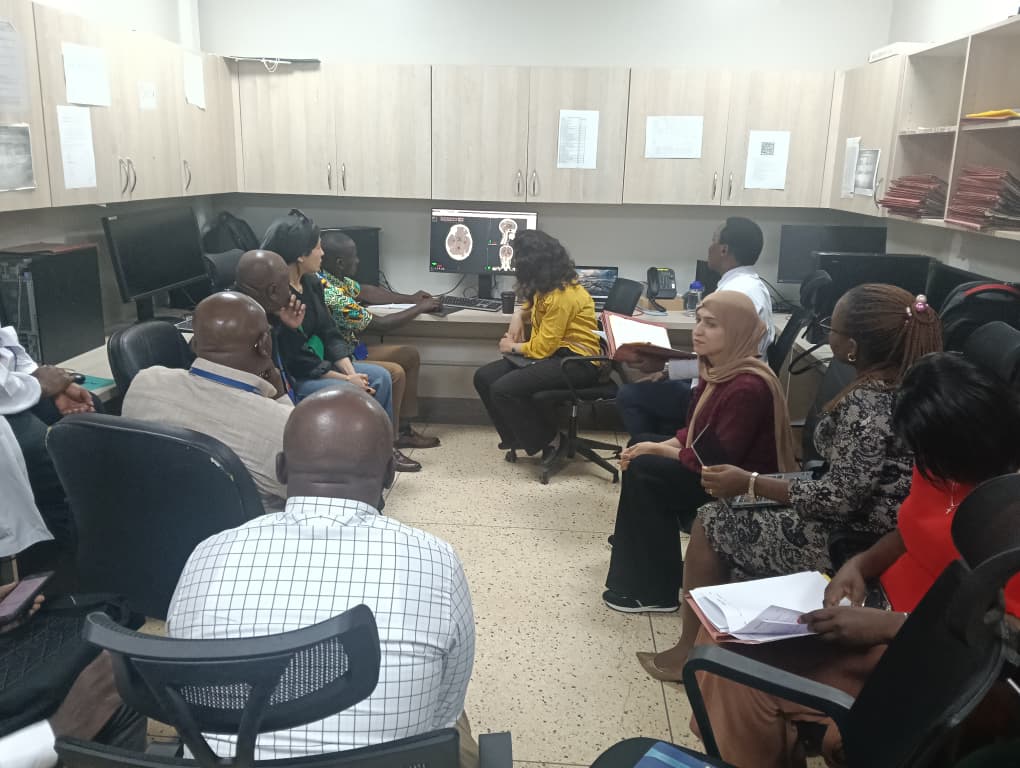
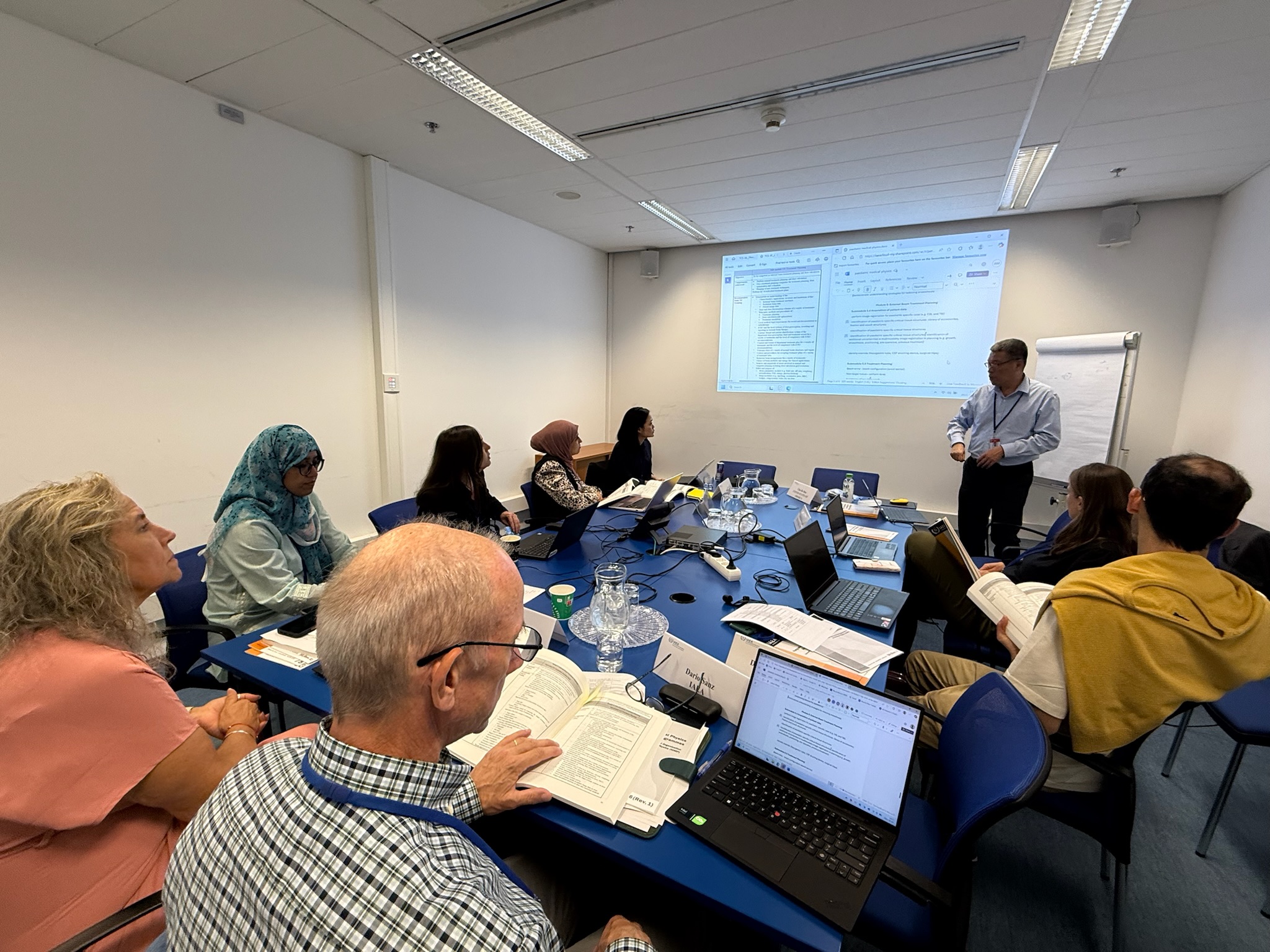
    Radiation oncologists, radiation therapists and medical physicists from the Uganda Cancer Institute discuss how to manage and treat a brain tumour case. (Photo: Uganda Cancer Institute)

    “Since VMAT planning and treatment require immense precision, participants were able to develop an in-depth understanding of the entire paediatric radiotherapy workflow – from patient simulation and positioning to contouring, treatment planning, dose delivery and verification,” explained Soha Salem, a radiation oncologist in the IAEA Division of Human Health and the instructor responsible for the course. Among other areas, dedicated case-based discussions also allowed attendees to explore different strategies for managing medulloblastomas in infants and children. 

    “By applying the knowledge and skills they gained from the IAEA’s national training course, participants successfully treated a 14-year-old girl with a high-risk medulloblastoma in which the tumour has already spread. This first-ever treatment of a craniospinal medulloblastoma VMAT case is a milestone achievement for the Uganda Cancer Institute,” noted Salem.  

    “We had the privilege of receiving expert training from the IAEA to improve paediatric treatments and draft treatment protocols,” said Cissy Bangidde, Principal Radiation Therapist at the Uganda Cancer Institute. “As a result, we are now able to treat cranial spinal cases with VMAT which will overall provide better target conformity and reduced doses to organs at risk – thus improving treatment outcomes.”

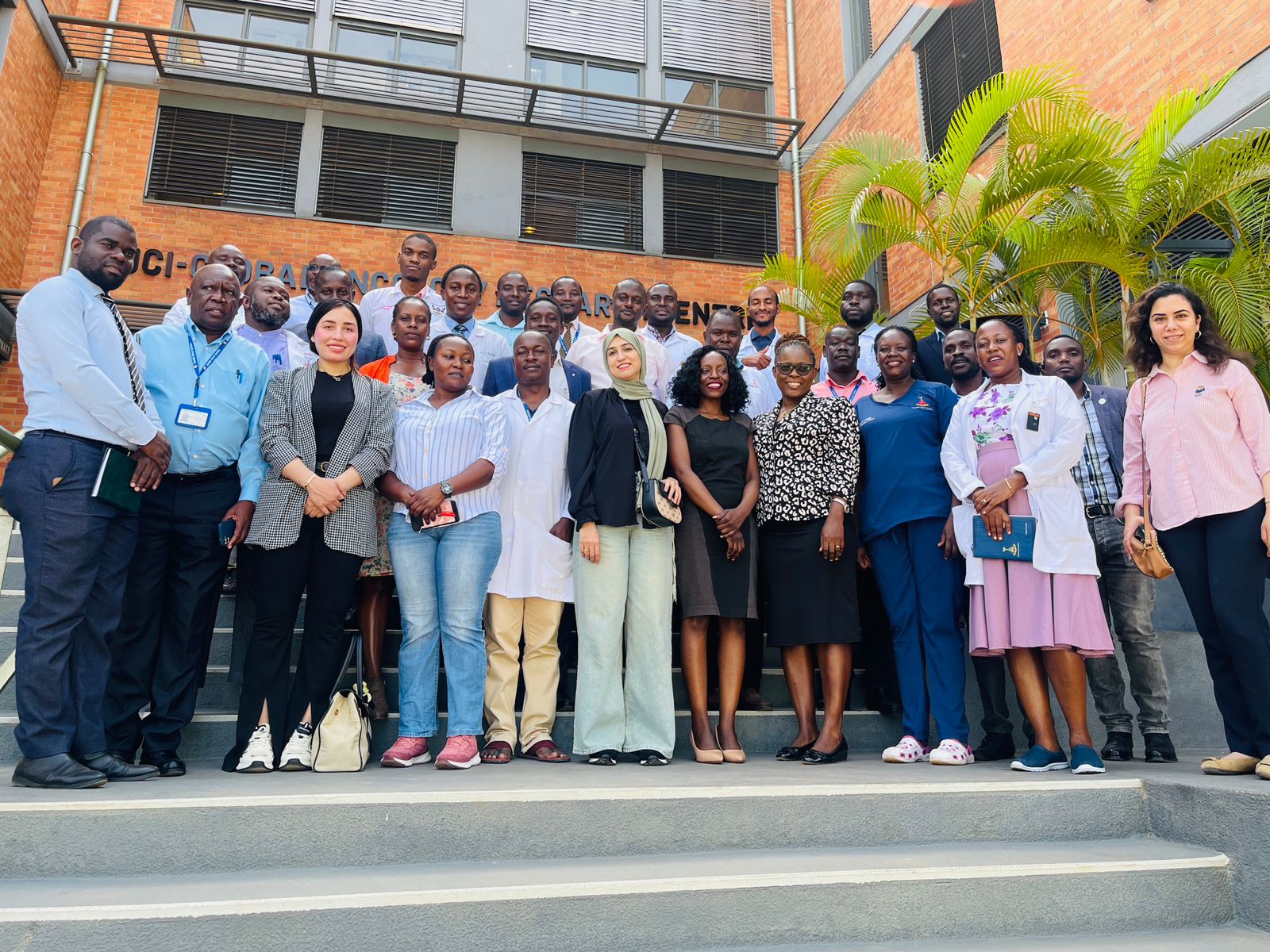
    Attendees of the IAEA’s November 2025 national training course on volumetric modulated arc therapy. (Photo: Uganda Cancer Institute)

    午夜爱爱爱爱爽爽爽视频网站