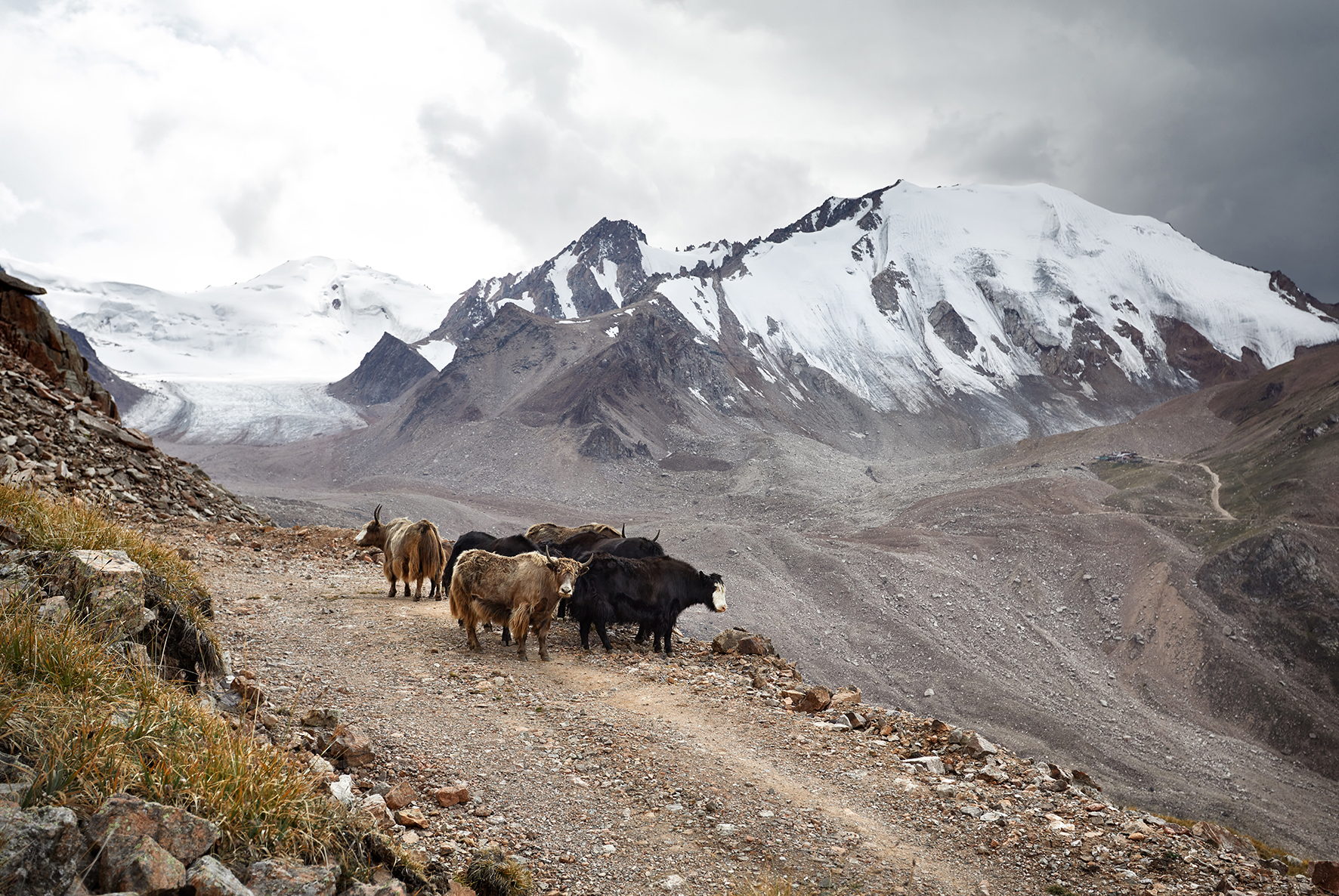
Glaciers are an essential source of freshwater for Central Asia. As temperatures in the region rise twice as fast as the global average, its glaciers are melting faster than ever. Ahead of the World Day for Glaciers, learn what the Central Asian States are doing to preserve their glaciers, and how the IAEA supports these efforts in Central Asia and other mountainous regions.
This article originally appeared in the IAEA Bulletin in 2025, the first International Year of Glaciers’ Preservation and the beginning of the Decade of Action for Cryospheric Sciences.
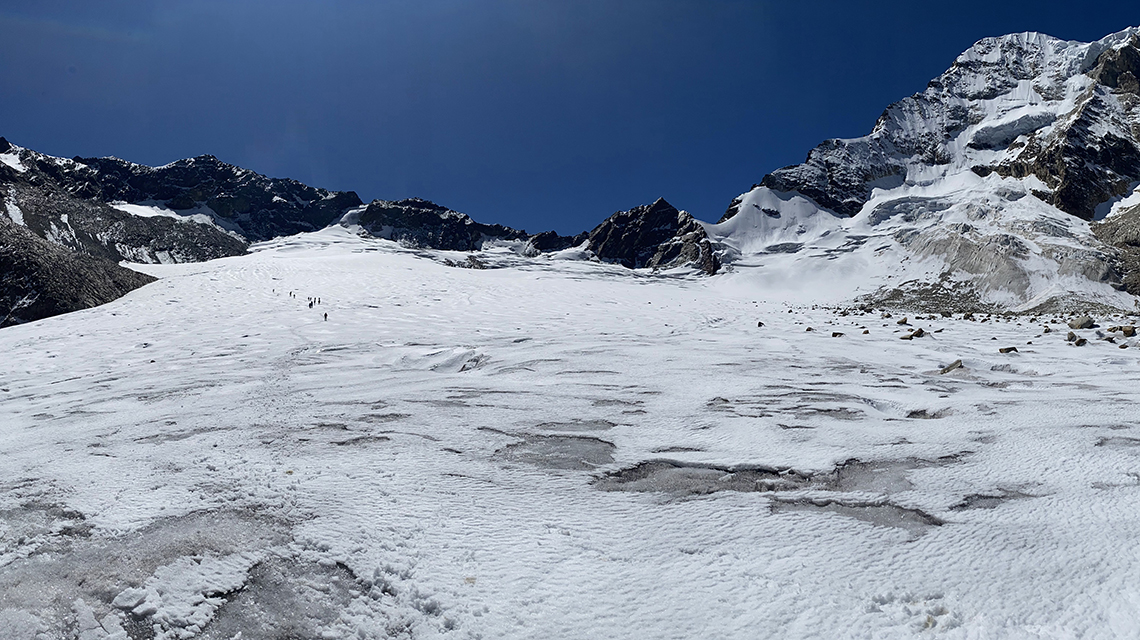
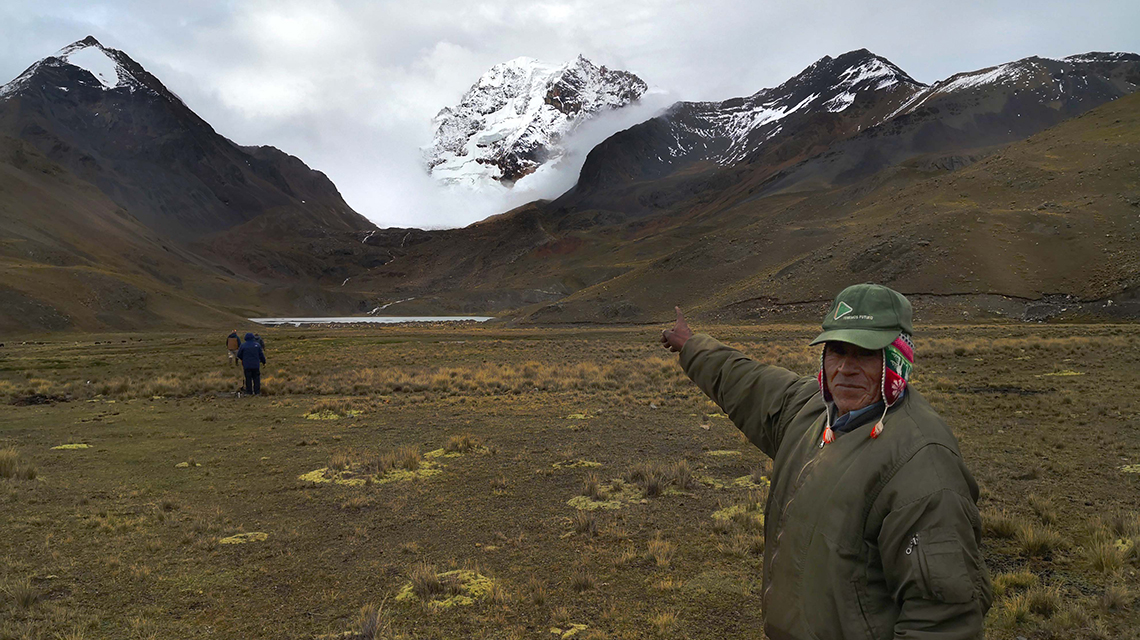
In Central Asia and other mountainous regions around the world, glaciers are melting faster than ever. Rising temperatures are shortening winters and prolonging summers, which in turn leads glaciers to retreat.
Glaciers store about 70% of Earth’s freshwater, which nearly two billion people depend on for drinking water, agriculture, industry and energy production. Glaciers also support ecosystems and are local ‘climate stabilizers’, protecting against heat absorption by reflecting solar radiation back into space.
As glaciers continue to shrink and even disappear, the water cycle is becoming more unpredictable, affecting water supply across the world. This loss is not just an environmental problem but also an economic one, impacting livelihoods for millions of people. The United Nations Environment Programme estimates that the depletion of glacier-fed freshwater supplies could jeopardize $4 trillion of global gross domestic product by disrupting agriculture, urban water supplies and energy production.