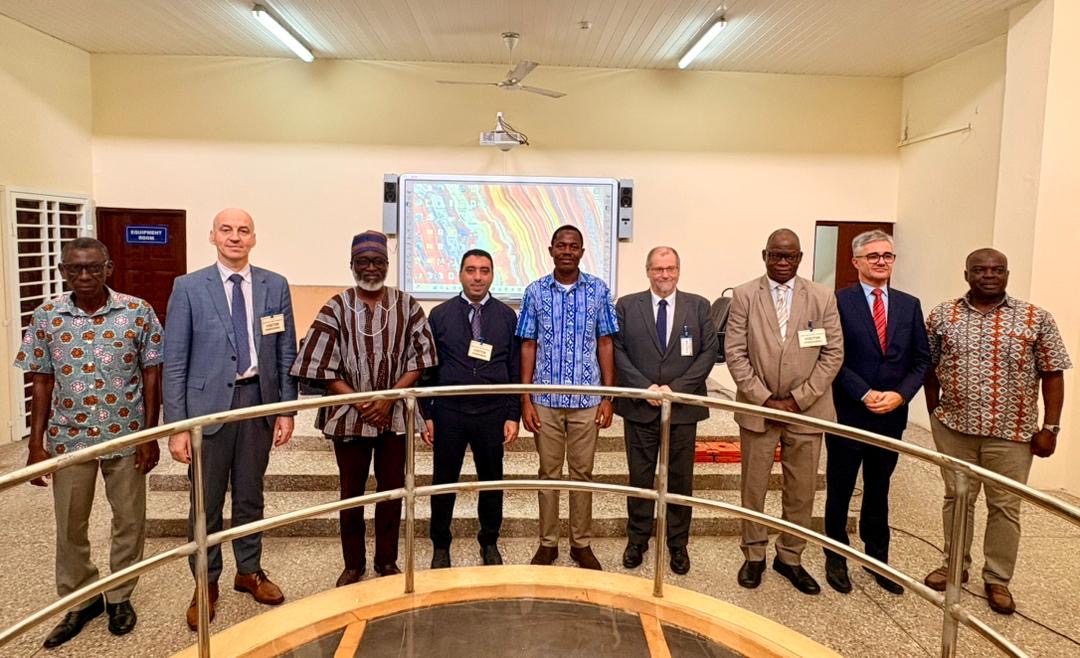
An IAEA team of experts has concluded a peer review of Ghana’s research reactor, identifying key opportunities to expand its role in scientific research, education and training, and key national economic sectors.
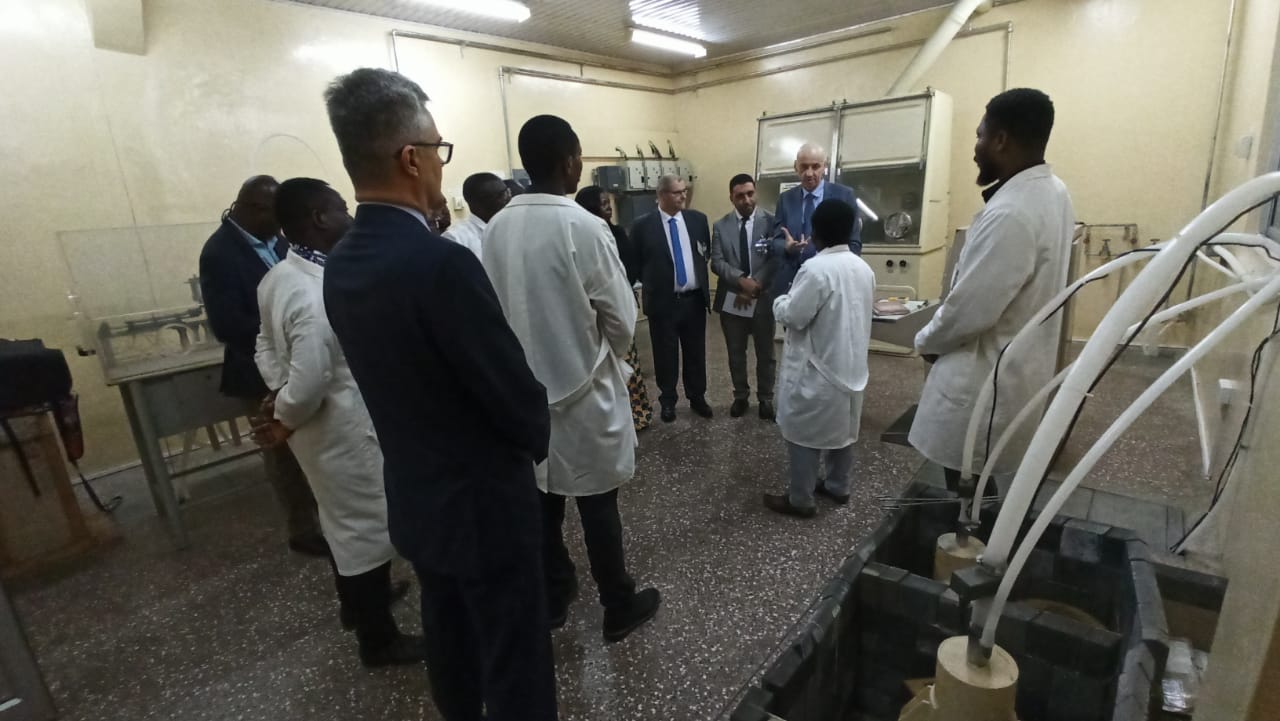
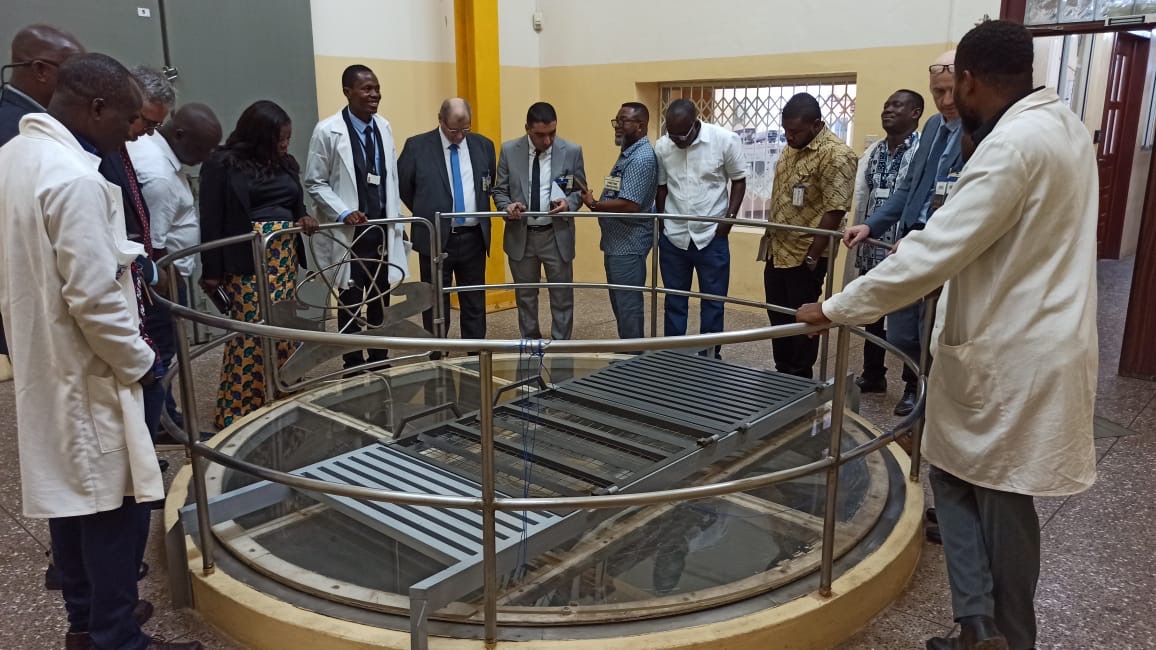
The Integrated Research Reactor Utilization Review (IRRUR) mission, requested by Ghana, took place at the Ghana Atomic Energy Commission (GAEC) from 8 to 12 December 2025. The team reviewed the utilization of the 34-kilowatt Ghana Research Reactor-1 (GHARR-1), a Miniature Neutron Source Reactor (MNSR) that has been in operation since 1995.
“Ghana has been one of the leaders in nuclear science and technology in Africa for three decades, and GHARR-1 is a flagship facility of this achievement,” said Danas Ridikas, Head of the Physics Section at the IAEA and the mission lead. “Our review found a dedicated team at the reactor and a strong foundation to build upon. With strategic focus and support, GHARR-1 can significantly expand its contributions to national goals, from training the next generation of nuclear professionals to providing vital analytical services for industry and agriculture.”
The IAEA team, comprising international experts from five countries, assessed the reactor’s use across four main areas: education and training; neutron activation analysis (NAA); neutron beams research; and radioisotope production for research and development.