• <menu id="888u4"><menu id="888u4"></menu></menu>
  • IAEA Review Charts Strategic Path for Ghana's Research Reactor to Boost Science and Industry

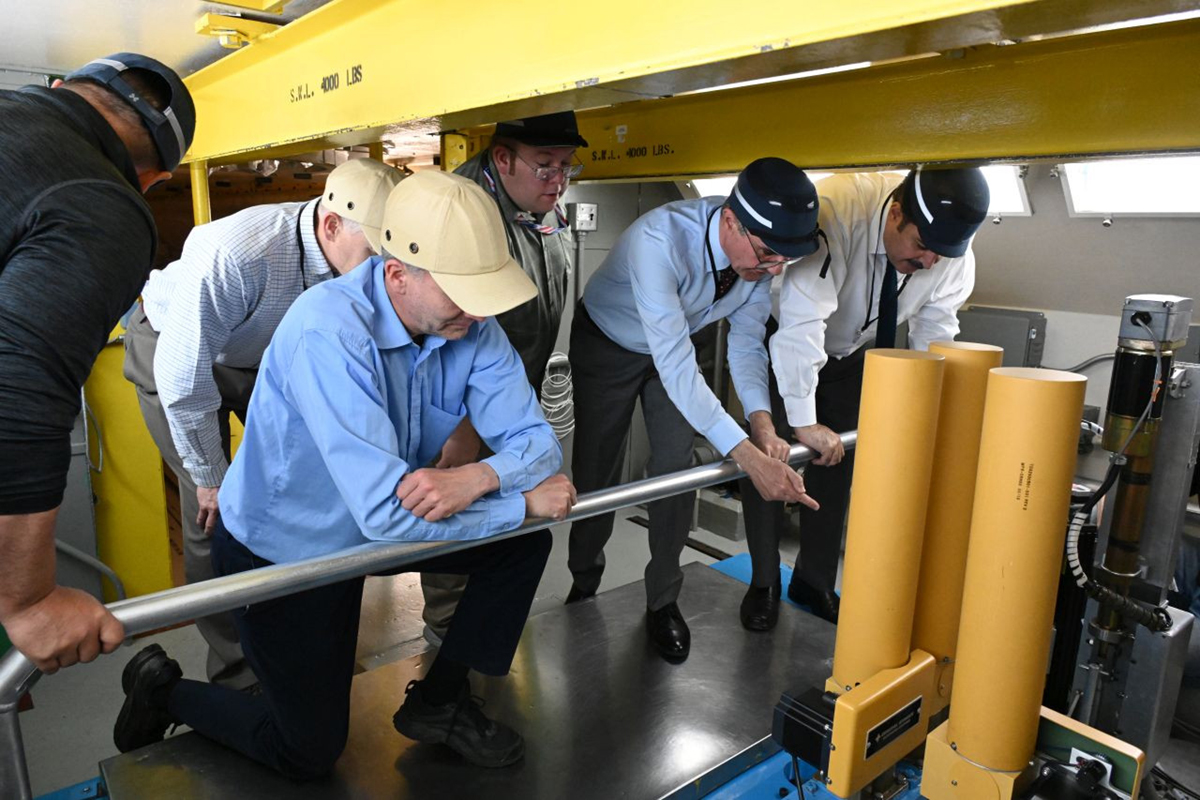
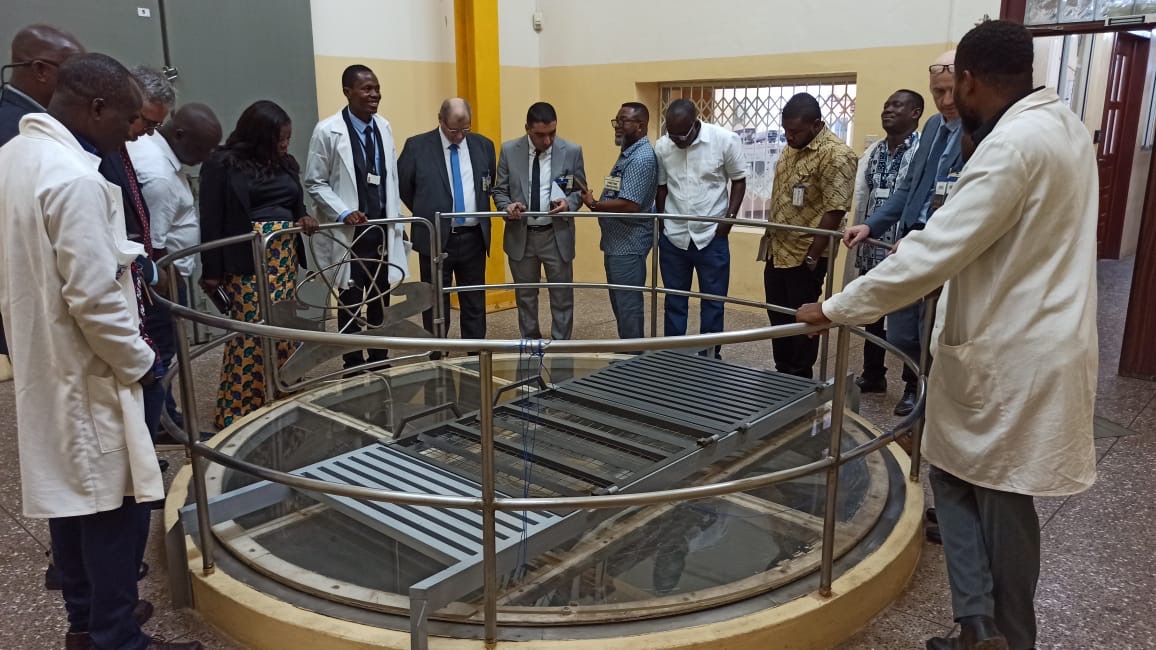
    Members of the IAEA review mission and local staff observe the core of the Ghana Research Reactor-1 (GHARR-1). The peer review mission assessed the reactor’s utilization in areas including neutron activation analysis, education and training, and the potential for new scientific applications. (Photo: GAEC) 

    An IAEA team of experts has concluded a peer review of Ghana’s research reactor, identifying key opportunities to expand its role in scientific research, education and training, and key national economic sectors. 

    The Integrated Research Reactor Utilization Review (IRRUR) mission, requested by Ghana, took place at the Ghana Atomic Energy Commission (GAEC) from 8 to 12 December 2025. The team reviewed the utilization of the 34-kilowatt Ghana Research Reactor-1 (GHARR-1), a Miniature Neutron Source Reactor (MNSR) that has been in operation since 1995. 

    “Ghana has been one of the leaders in nuclear science and technology in Africa for three decades, and GHARR-1 is a flagship facility of this achievement,” said Danas Ridikas, Head of the Physics Section at the IAEA and the mission lead. “Our review found a dedicated team at the reactor and a strong foundation to build upon. With strategic focus and support, GHARR-1 can significantly expand its contributions to national goals, from training the next generation of nuclear professionals to providing vital analytical services for industry and agriculture.” 

    The IAEA team, comprising international experts from five countries, assessed the reactor’s use across four main areas: education and training; neutron activation analysis (NAA); neutron beams research; and radioisotope production for research and development. 
    A Reactor with Renewed Potential

    GHARR-1 has been instrumental in advancing nuclear applications in Ghana, particularly through NAA—a precise analytical technique used in fields such as healthcare, cultural heritage, environmental monitoring and geology. Its successful conversion to use low enriched uranium fuel in 2017 was a major milestone for nuclear security both for the country and the region. 

    The IAEA mission team recognized that the reactor is now at a pivotal moment. Following the core conversion and subsequent organizational changes, the facility has a clear opportunity to revitalize and expand its user base and scientific services. 

    “The team was immediately impressed with the energy and enthusiasm of GHARR-1 staff, who, in spite of challenges, retain a hopeful spirit regarding their work,” the mission’s draft report states. “The IAEA team believes that GHARR-1 can continue to successfully be the flagship facility of GAEC, with sustained increased utilization in areas aligned with national priorities.” 

    The review also highlighted specific good practices that serve as a model for other research reactor institutions. These include GAEC’s proactive formalization of numerous collaborations with national and international universities and nuclear sector institutions as well as the facility’s role in using its in-core loading facility to support the training in core conversion of other MNSR-type reactors internationally. 

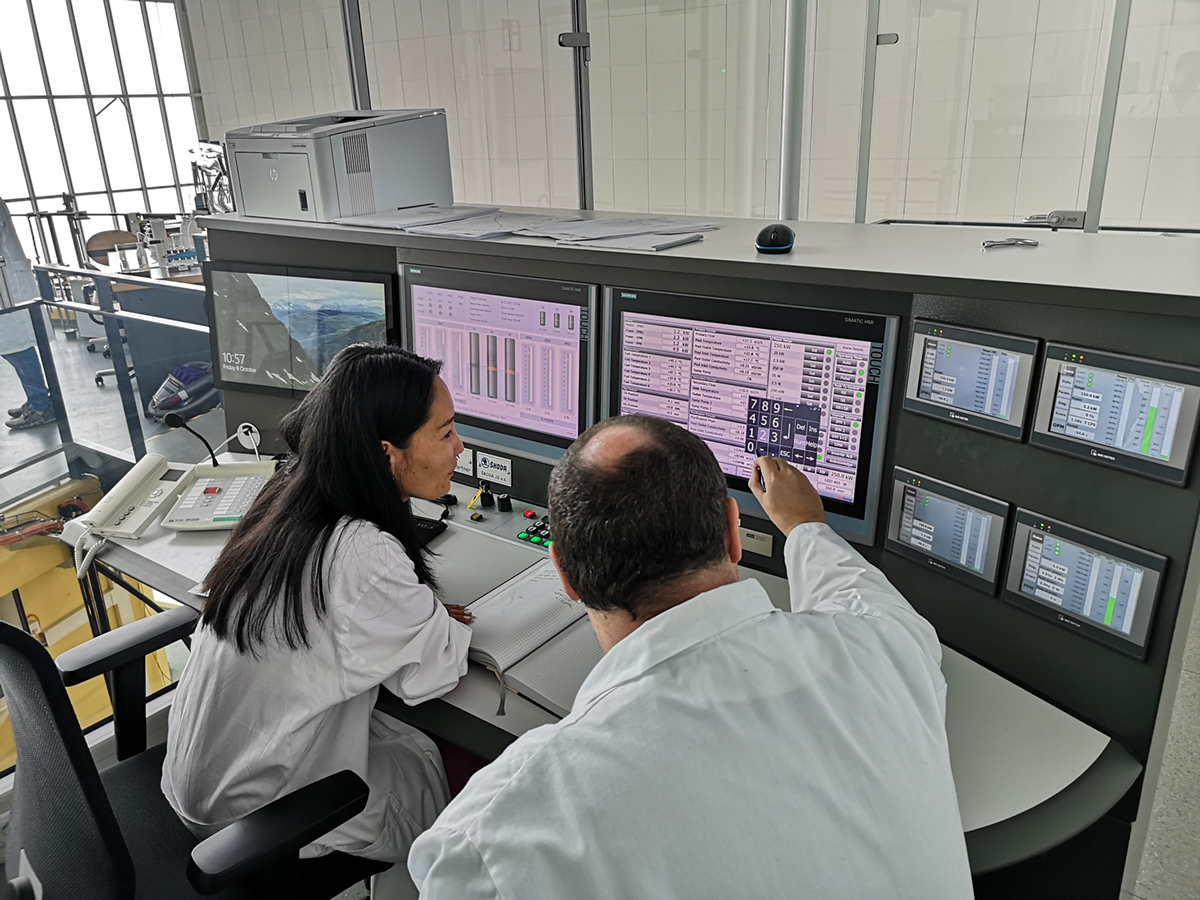
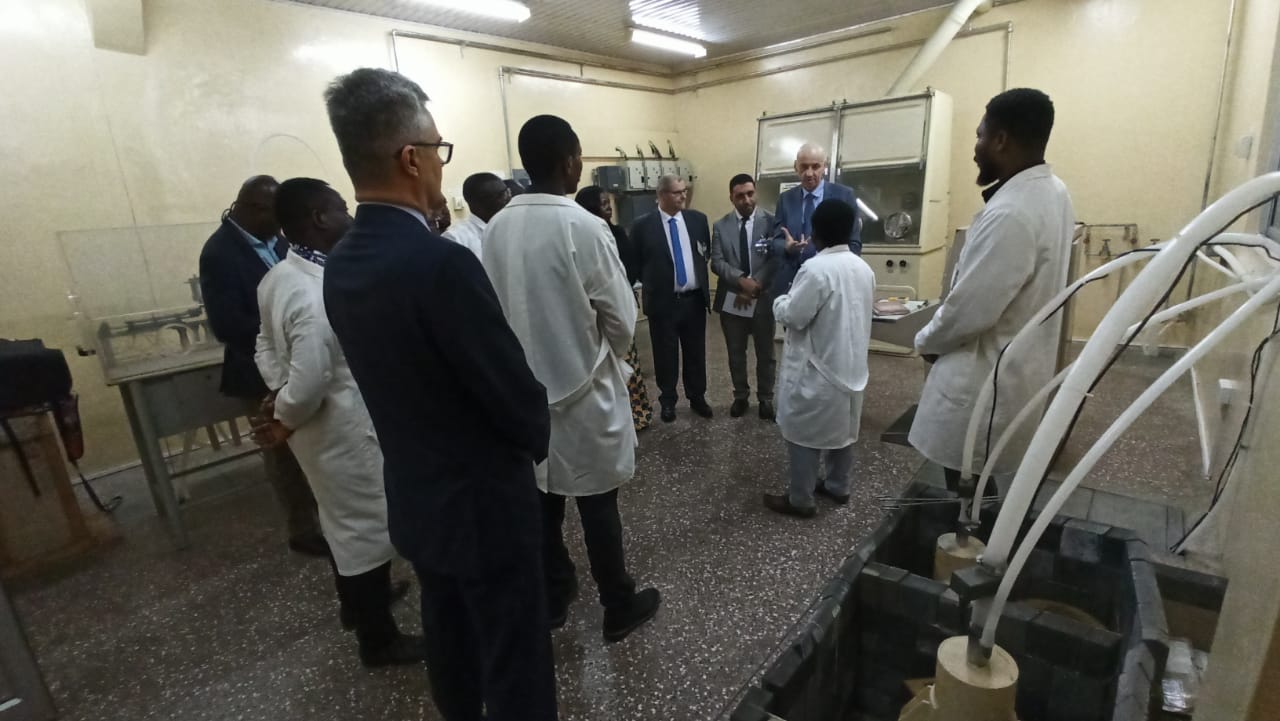
    During a facility tour, the international review team discusses neutron activation analysis equipment and capabilities with technical staff at the GHARR-1 centre. The mission’s recommendations aim to help expand the reactor’s services in support of national priorities in science and industry. (Photo: GAEC) 

    Key Recommendations for Future Impact

    The review provided a series of recommendations to guide the reactor’s strategic development. Top priorities include: 

    • Positioning GHARR-1 as a central hub for building human capacity for Ghana’s scientific and industrial sectors, including a future nuclear energy programme. This includes expanding collaborations with national universities and developing tailored training courses for other stakeholders. 

    • Revitalizing and growing NAA services to support national development goals. Specific opportunities include providing analytical services to Ghana’s mining and cement industries and establishing a national geochemical soil map to support agriculture  . 

    • Conducting feasibility studies for promising new applications, such as producing radiotracers for industrial R&D and installing a neutron beam channel for techniques like neutron radiography, which can be used for non-destructive testing of materials and objects. 

    “We are revising our strategic plans to incorporate the feedback provided by the IRRUR mission, what will help to align our activities with national priorities, including those defined in the National Development Plan,” said Dr. Emmanuel Kwesi Boafo, Manager of the GHARR-1 facility. In his closing remarks, the Director-General of GAEC, Prof. Samuel Boakye Dampare, expressed his appreciation to the IAEA for undertaking the IRRUR mission in Ghana, and added that “The recommendations provide a clear roadmap to enhance the utilization of GHARR-1, ensuring it remains a sustainable and impactful centre for nuclear science, education, and innovation in Ghana and the region.” 

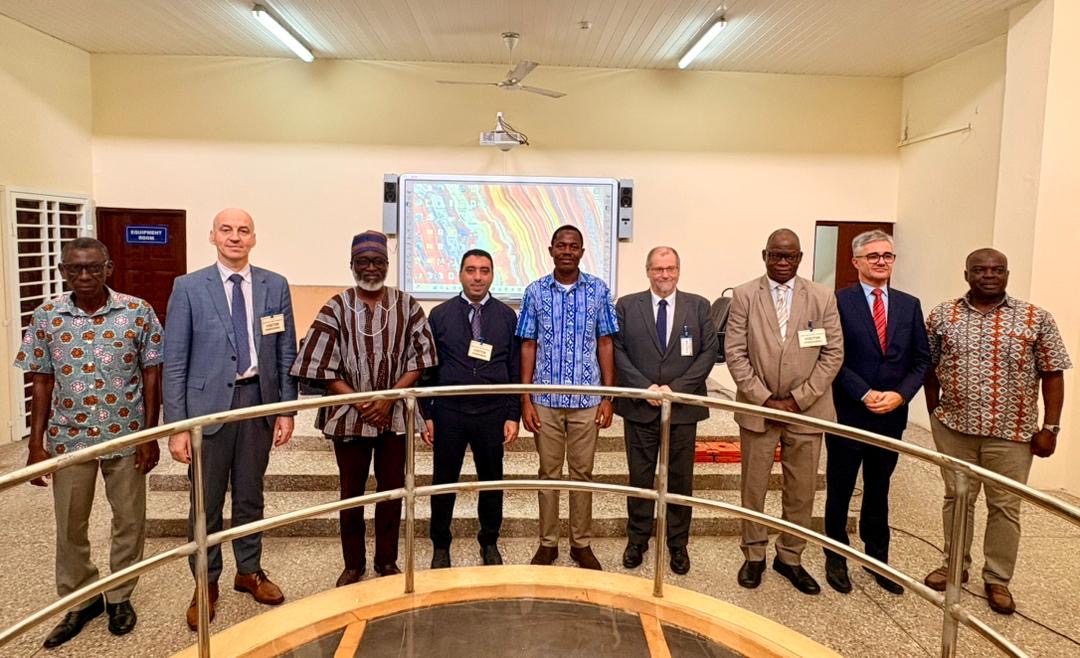
    The IAEA review team together with the senior management of the GAEC after the exit meeting which culminated the mission with delivery of the executive summary, including conclusions and recommendations.  The exit meeting took place on 12 December 2025 at the International MNSR Training Facility built in 2017 for training operators from the other MNSR-type reactors to offload the core and package the irradiated fuel for transportation (Photo: GAEC) 

    Supporting National Priorities through Nuclear Science

    The mission emphasized that by aligning the reactor’s work with Ghana’s national plans, GHARR-1 can directly contribute to key economic and scientific areas such as industrial transformation, food security, environmental protection, and materials research. 

    “Research reactors like GHARR-1 are unique national assets,” Ridikas added. “The expertise and nuclear infrastructure developed here over decades form a critical platform not just for one application, but for a wide spectrum of scientific innovation that serves national progress.” 

    About the IRRUR

    The Integrated Research Reactor Utilization Review (IRRUR) is an IAEA peer review service that assists Member States in enhancing the utilization, effectiveness, and sustainability of their research reactor facilities. Unlike power reactors, research reactors are used as neutron sources for scientific research, education, and the production of isotopes for medicine and industry. 

    午夜爱爱爱爱爽爽爽视频网站