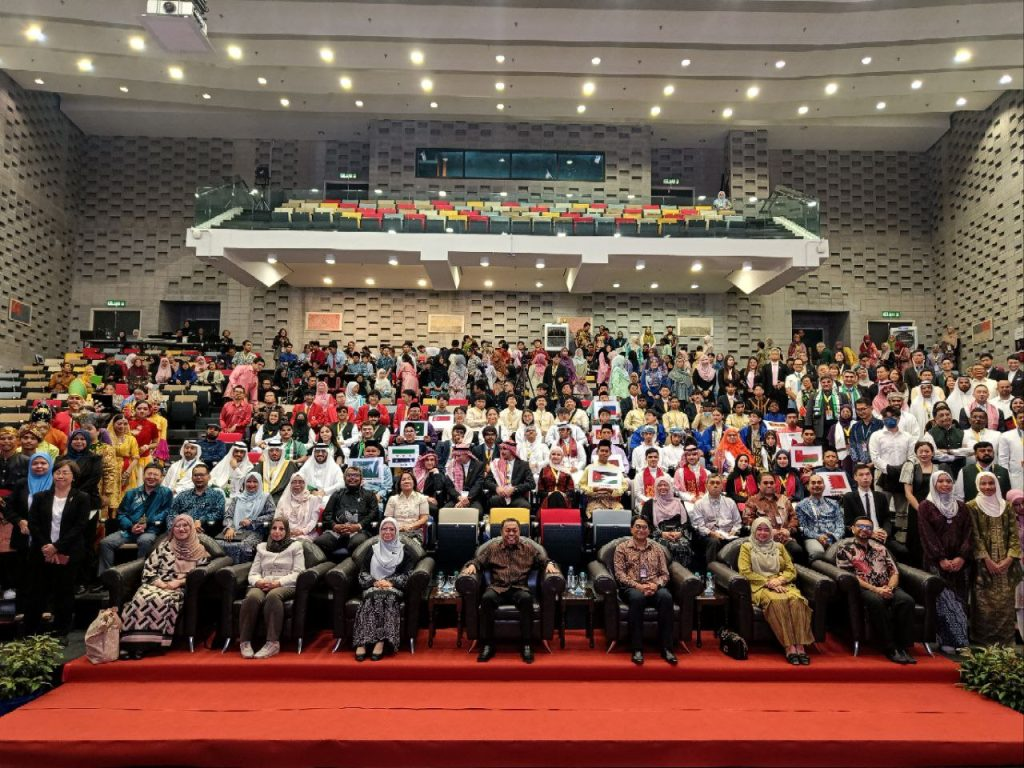
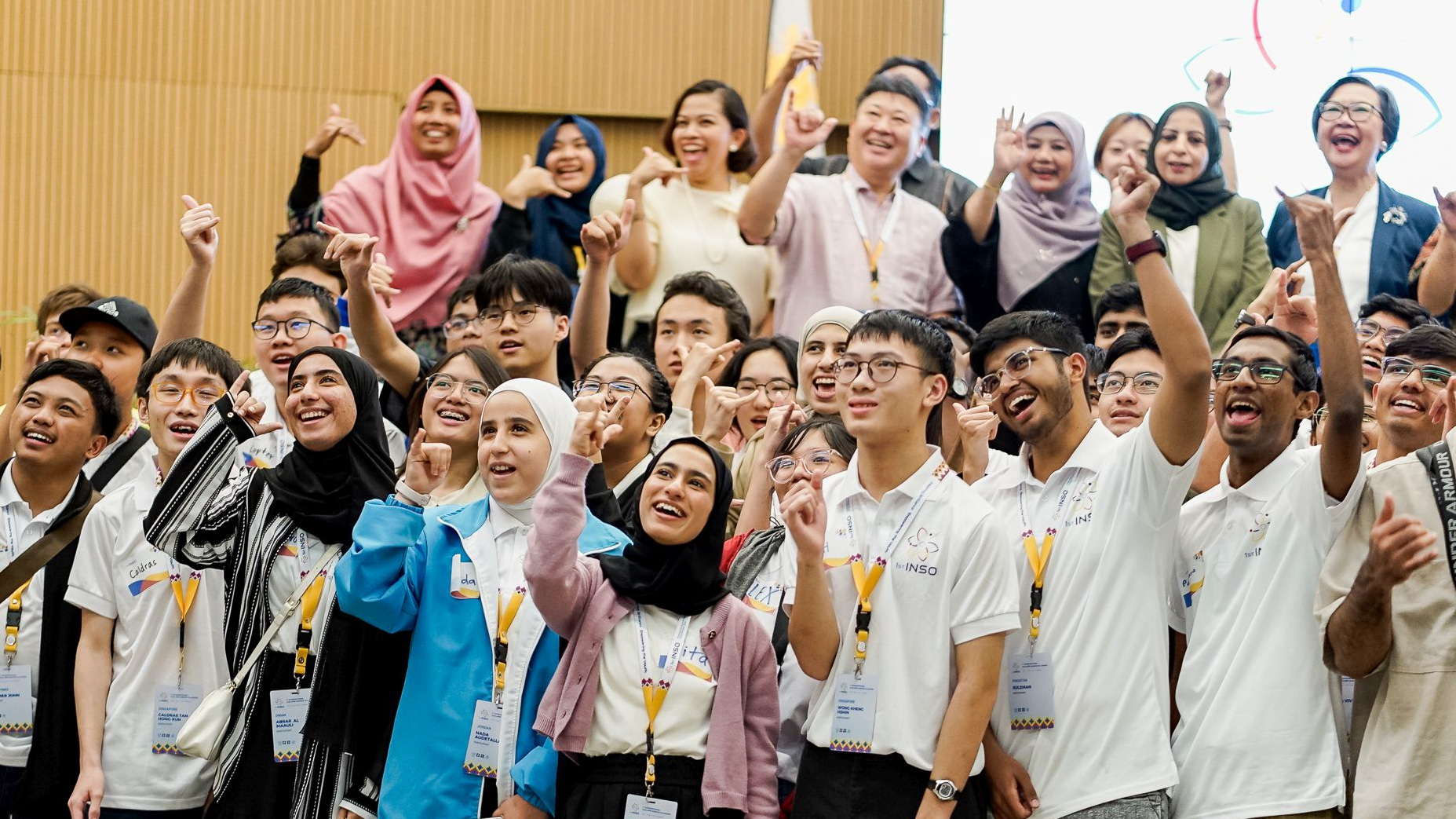
Student competitions organized by the IAEA are inspiring a new generation of young people to pursue careers in nuclear science and technology. Two competitions were showcased during a side event at the 69th IAEA General Conference in September: “Shaping Africa’s Future” for female students from Africa, and the annual International Nuclear Science Olympiad for students in Asia and the Pacific.
Shaping Africa’s Future with Nuclear Science
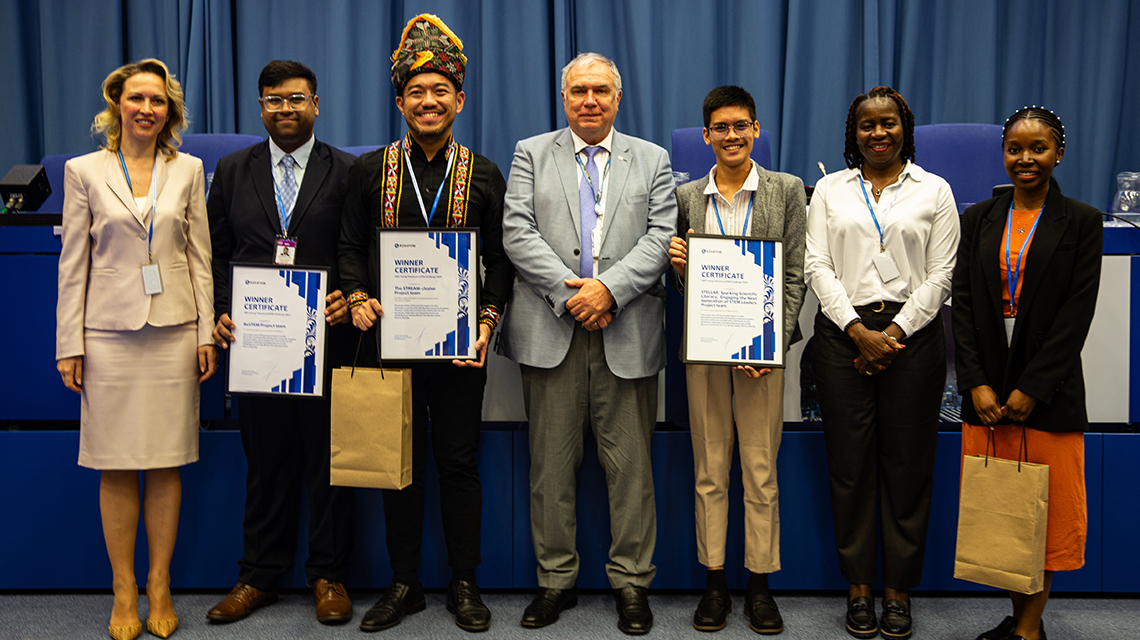
Young women from Botswana, Democratic Republic of Congo, Egypt, Ethiopia, Ghana, Kenya, South Africa, Tunisia, Zambia and Zimbabwe were celebrated as the winners of the African nuclear science student competition “Shaping Africa’s Future” organized by the IAEA in collaboration with Women in Nuclear Global. The 17 students were selected based on video presentations they had prepared on the IAEA’s major initiatives: Atoms4Food, NUTEC Plastics, Rays of Hope and ZODIAC.
“Today’s celebration is a recognition of the critical role that young women play in advancing science and development in Africa. Women bring diverse perspectives, creativity and resilience to the scientific community, and their full participation is essential for inclusive and sustainable progress,” said David Tshere, Botswana’s Minister of Communications and Innovation and the AFRA Chair, at the opening of the side event. “In Botswana and across Africa, we are witnessing the positive impact of nuclear science and technology in areas such as agriculture, human health, water resource management and environmental protection. This is made possible through the support of the IAEA, which continues to be a vital partner in our development journey,” he added.
One of the winners, Sohaila Montasser Ahmed Abudeif from Egypt, collaborated with students from Ethiopia and Zambia to create a video about the IAEA NUTEC Plastics initiative, which addresses the global challenge of plastic pollution through monitoring and upcycling efforts. “Participation in this competition gave us the opportunity not only to demonstrate our knowledge and skills, but also to propose real solutions to the urgent problems of our countries using innovative nuclear technologies,” she said. The project sought to establish mobile plastic waste-processing units which could process microplastic and polymer waste directly at the point of accumulation using radiation technologies and isotopic techniques.
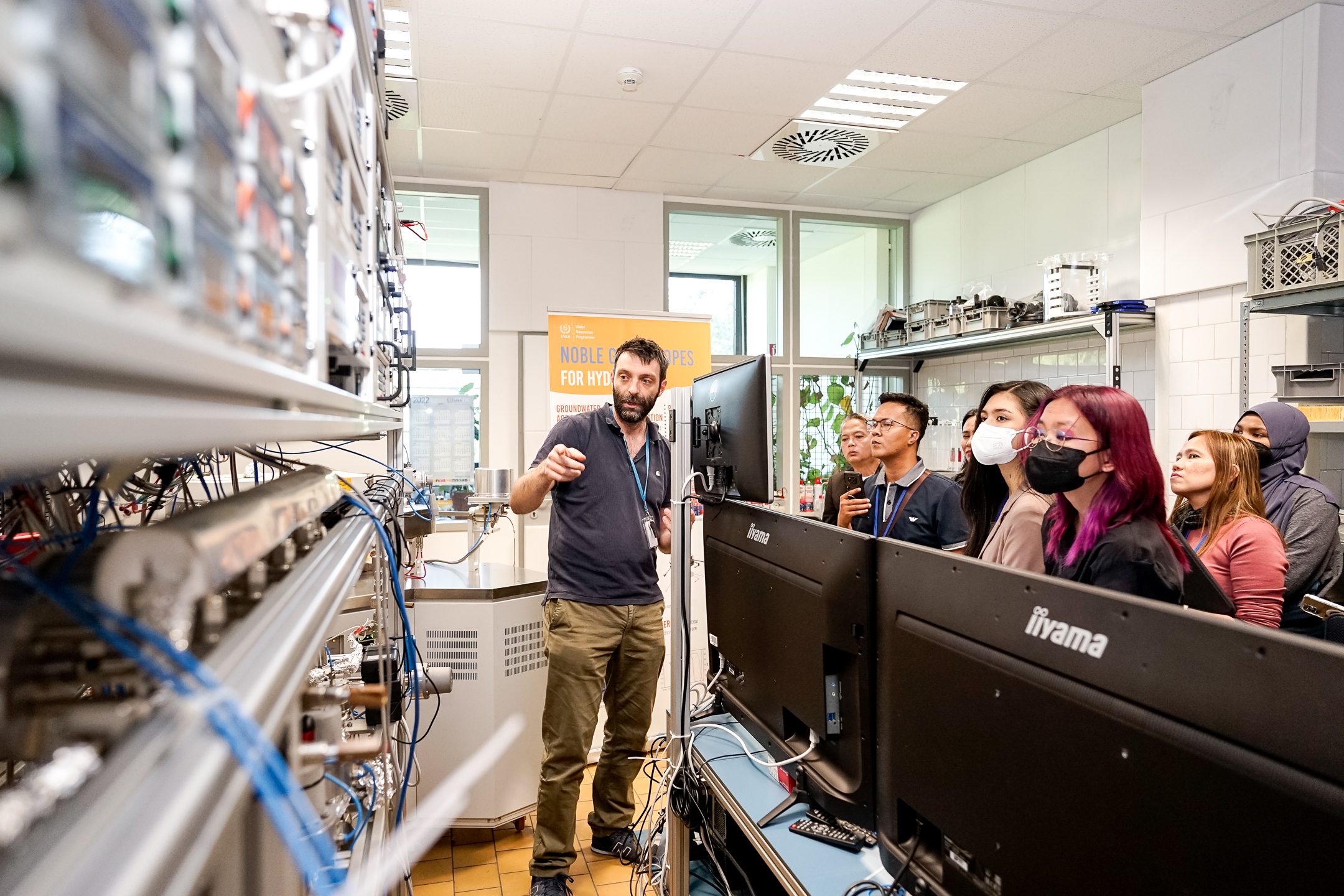
The winning students participated in the General Conference side event as part of the competition prize. They were also given tours of the IAEA facilities— including the IAEA's isotope hydrology laboratory, the Incident and Emergency Centre and the Lise Meitner Library. The students met IAEA Director General Rafael Mariano Grossi and participated in a weeklong series of lectures by IAEA staff to introduce them to the work carried out under the IAEA’s technical cooperation (TC) programme. “The opportunity for these young women to engage directly with IAEA staff was profoundly inspiring,” said Amal Elrefaei, Programme Management Officer in the IAEA Division for Africa, who coordinated the competition. “I believe that this visit not only affirmed their potential but also strengthened their resolve to pursue careers in nuclear science and contribute meaningfully to global development.”