• <menu id="888u4"><menu id="888u4"></menu></menu>
  • Building Expertise in Nuclear Security Response in Latin America and the Caribbean

    Simulation of response actions for the search and recovery of stolen radioactive sources during the workshop’s field exercise. (Photo: V.Tafili/IAEA)

    The first IAEA regional workshop to develop nuclear security response capabilities in Latin America and the Caribbean took place in November 2025 in Goiania, Brazil, where almost forty years ago one of the world’s most serious radiological accidents occurred

    The week-long workshop provided theoretical and practical training on a coordinated multi-agency nuclear security response, addressing aspects such as the national framework, operations and communication. It was attended by nearly 30 participants from 13 countries in the region, representing a broad range of organizations with nuclear security responsibilities. 

    “Approaching nuclear security through a regional lens is essential,” said Elena Buglova, Director of the IAEA’s Division of Nuclear Security. “Helping countries strengthen their expertise to respond effectively to nuclear security events is part of the IAEA’s capacity building programme, in line with the relevant nuclear security guidance recommendations.” 

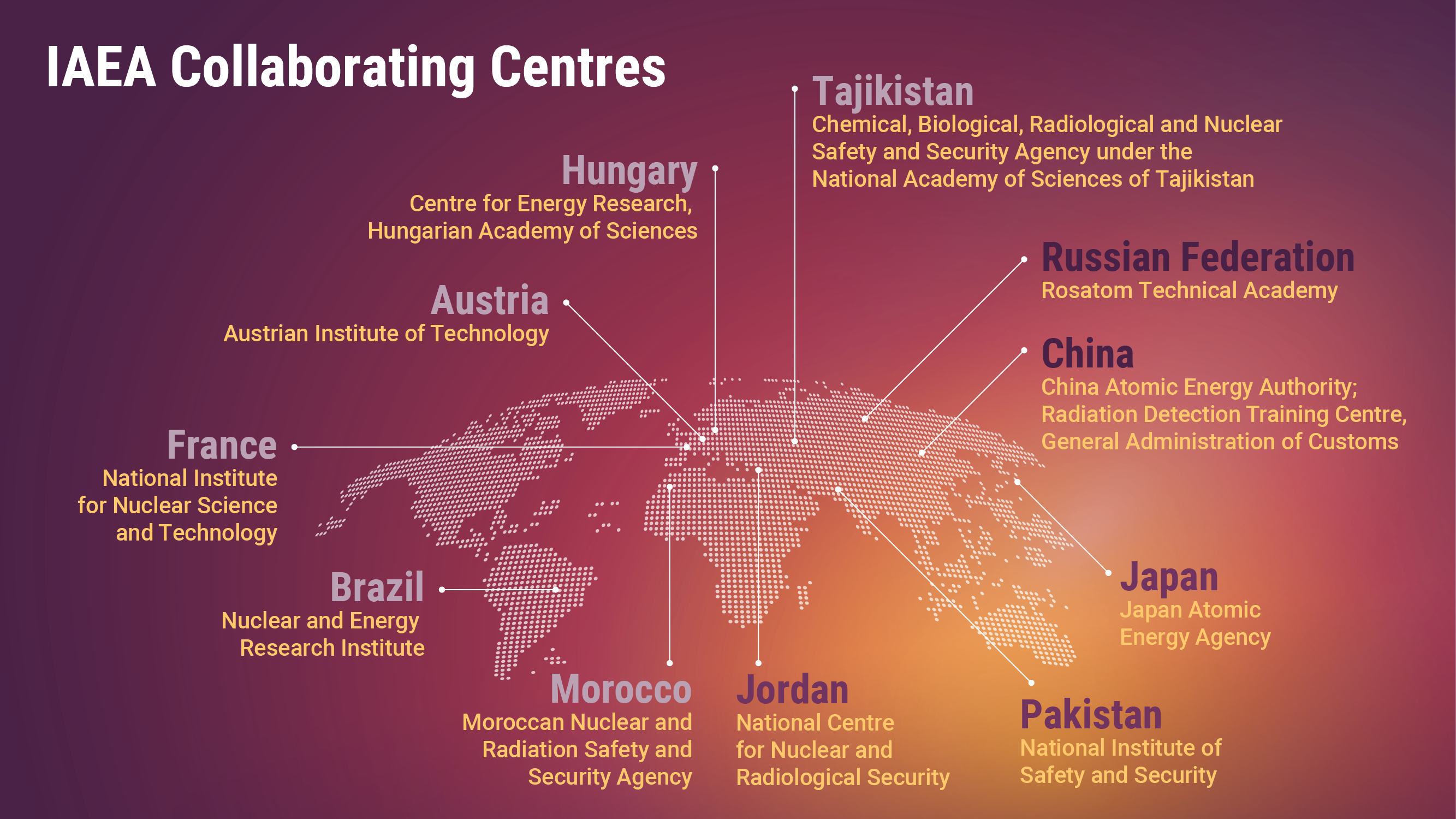
    Hosted by the Government of Brazil through the Midwest Regional Center for Nuclear Sciences (CRCN-CO) of the National Nuclear Energy Commission (CNEN), the workshop was supported by the country’s Nuclear and Energy Research Institute (IPEN), which became Latin America’s first IAEA Collaborating Centre for nuclear security in June 2024. Since then, IPEN has hosted four IAEA nuclear security training events and participated in several research activities related to computer security. 

    "Hosting this regional workshop in Goiania holds a very special meaning for Brazil. The city’s history reminds us of the importance of preparedness, coordination and transparent communication in nuclear safety and security. By bringing together professionals from across the region, this workshop strengthens our collective capacity to respond effectively to incidents involving nuclear or radioactive material,” said Joana Azambuja, Head of the CNEN’s Technical Cooperation Office. “It also reinforces CNEN’s long-standing partnership with the IAEA and its commitment to building strong nuclear security frameworks,” she added. 

    The workshop included a hands-on demonstration of radiation detection instruments used to support nuclear security operations and a scenario-based exercise that enabled participants to practice responding to criminal or intentional unauthorized acts involving radioactive material and to observe the range of capabilities required for an effective response. The training addressed also public communication during nuclear security events.
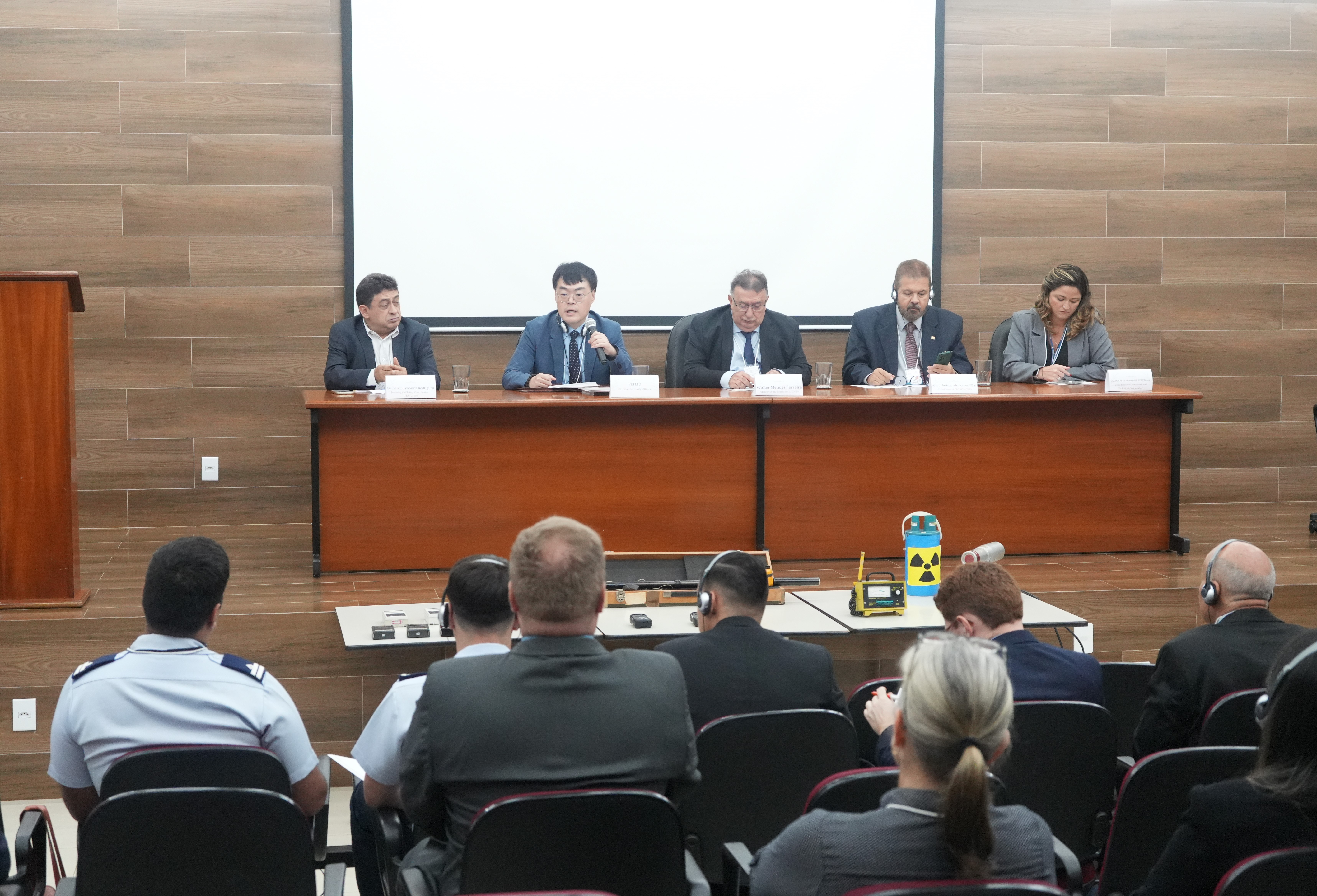
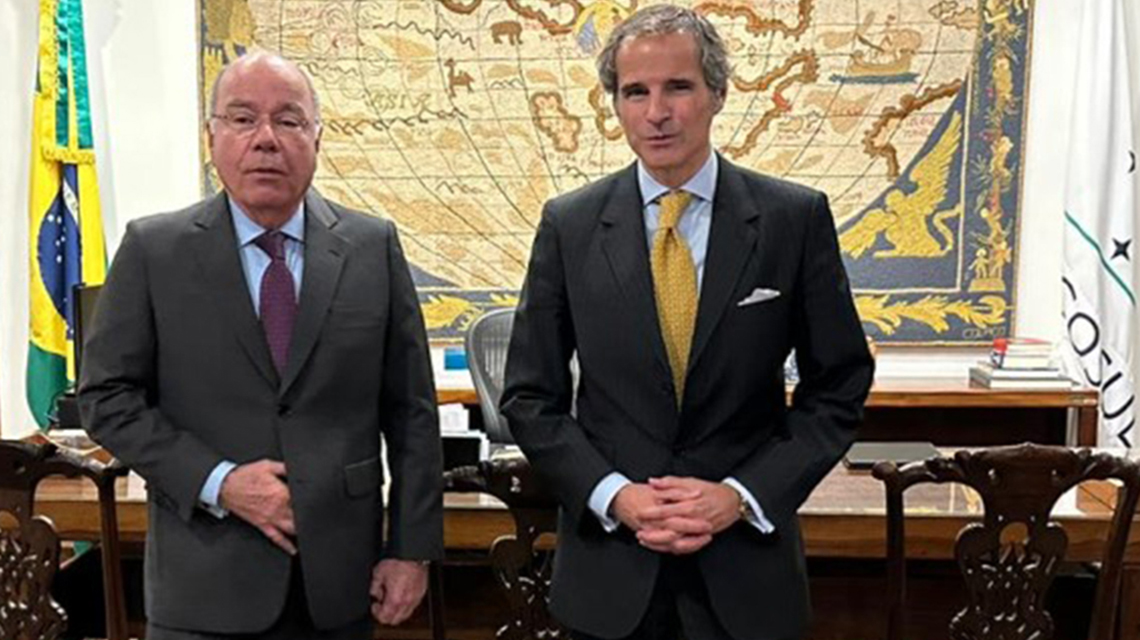
    Representatives of Brazil’s host organizations and the IAEA at the workshop opening session. (Photo: V. Tafili/IAEA)

    “The sessions provided valuable insights into developing a national framework for managing response to nuclear security events,” said Mairon Munoz from the Department of Environment of Belize. “The knowledge gained is especially relevant as my country is in the early stages of establishing nuclear security regulations and response plans. The Goiania case study particularly highlighted key procedures essential to an effective nuclear security framework. Overall, it was an outstanding and highly informative experience.” 

    Diego Acosta, Airport Security Chief in the Uruguayan Air Force, highlighted that “the knowledge and experiences shared by the experts, together with the exchange among institutions, contribute to strengthening our national procedures.” 

    “We learned how countries in the region have strengthened their nuclear security and we have shared our national experience as we are currently conducting a national risk and threat assessment and deploying a detection framework in strategic locations across the country, as follow up to a recent INSServ mission,” said Daniel Zavala Porras, Adviser on Disarmament, Terrorism and Organized Crime in the Ministry of Foreign Affairs of Costa Rica. 

    The Goiania radiological accident

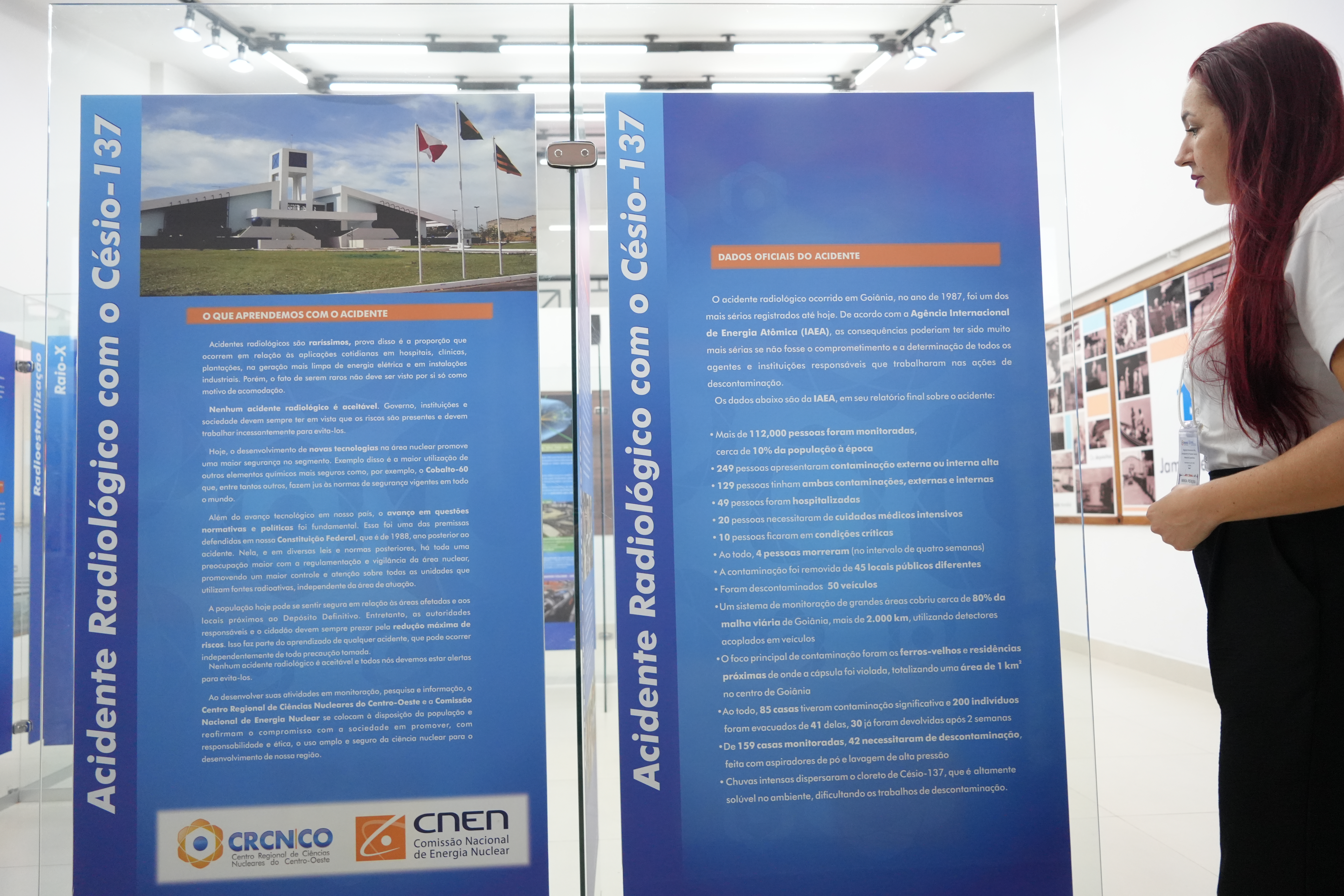
    CRCN-CO hosts a public information centre to raise awareness about nuclear science and the Goiania accident. (Photo: V. Tafili/IAEA)

    In September 1987, the removal and misuse of a radioactive medical teletherapy source led to four fatalities, the exposure of many persons and the contamination of parts of the city of Goiania. Almost four decades after the accident, its legacy and lessons continue to have an impact. “The accident was like a school for all of us,” said Walter Mendes Ferreira from CRCN-CO in his presentation of what happened, highlighting that “everything related to the safety and security of radioactive sources has changed significantly since then.” 

    Today, the CRCN-CO manages the near surface repository that contains the contaminated waste produced from the 1987 accident. It also provides public information about the disposal facility as well as about nuclear science in general.

    午夜爱爱爱爱爽爽爽视频网站