Colombia’s Coastal and Marine Research Institute INVEMAR Designated as IAEA Collaborating Centre
IAEA collaboration with Colombia’s Coastal and Marine Research Institute INVEMAR to advance nuclear techniques for marine protection in Latin America.

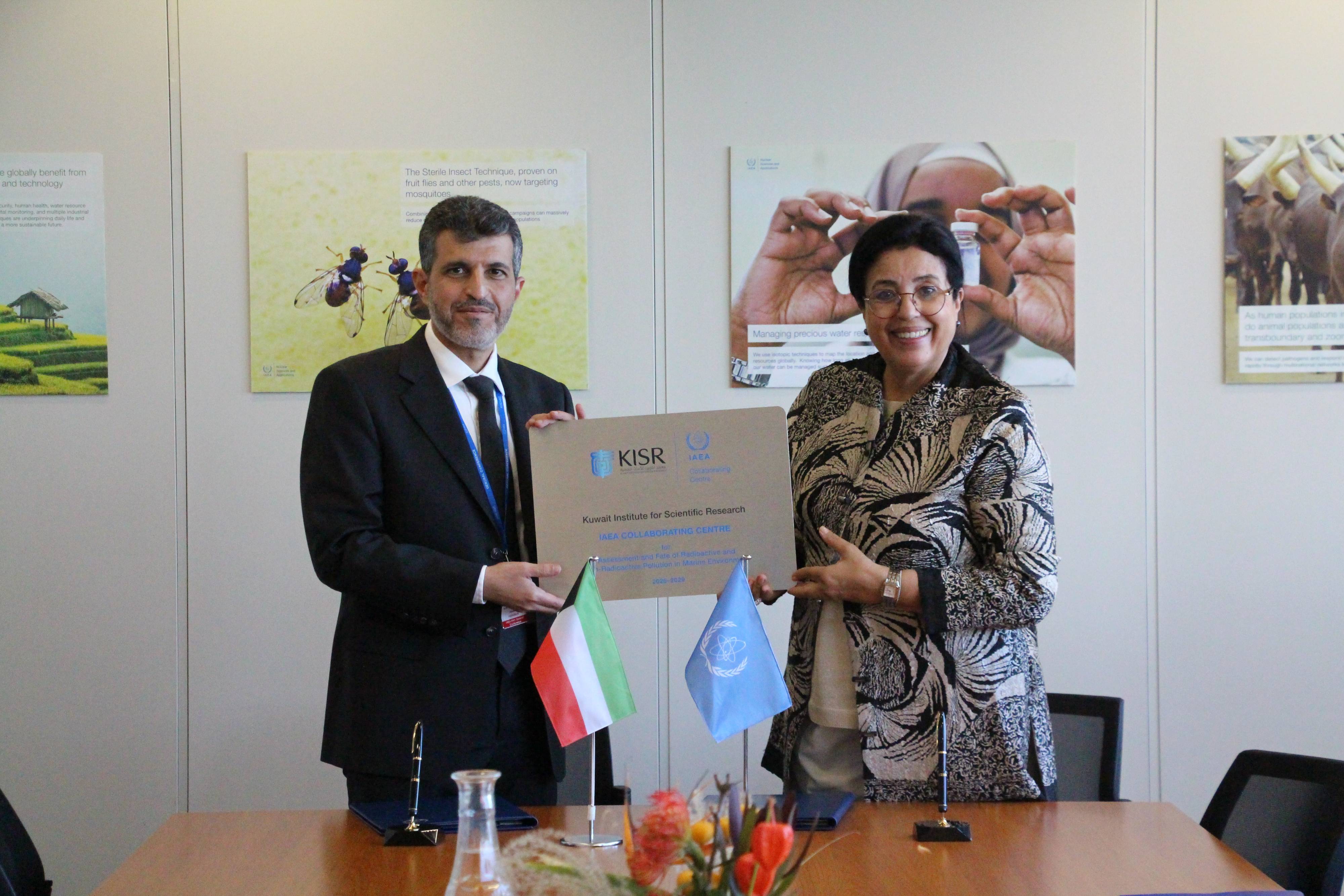
IAEA Director General Rafael Mariano Grossi designates Colombia's Institute for Coastal and Marine Research (INVEMAR) as an IAEA Collaborating Centre for marine environmental research and monitoring. (Photo: Ministry of Mines and Energy of Colombia)
The IAEA has designated Colombia’s Coastal and Marine Research Institute (INVEMAR) as a Collaborating Centre to support marine environmental research and monitoring using nuclear and isotopic techniques in Latin America and the Caribbean. Formally announced on 25 February at the institute in Santa Marta, Colombia, this collaboration will build upon years of successful partnership addressing marine and coastal needs.
Marine Ecosystem Monitoring
INVEMAR is a leading marine research hub in the Latin America and Caribbean region and it has worked closely with the IAEA’s Marine Environment Laboratories to apply nuclear and isotopic techniques for ocean health for a number of years. Through sustained technical cooperation and scientific exchange, INVEMAR has demonstrated strong regional leadership in advancing evidence-based marine environmental management.
“The IAEA Marine Environment Laboratories are a vital partner in advancing marine science,” said INVEMAR Director General Francisco Arias-Isaza. “Our designation as an IAEA Collaborating Centre is a key step for INVEMAR. It builds on our many years of successful collaborations combining global expertise and cutting-edge research to better understand ocean health and develop solutions that protect marine ecosystems for the future.”
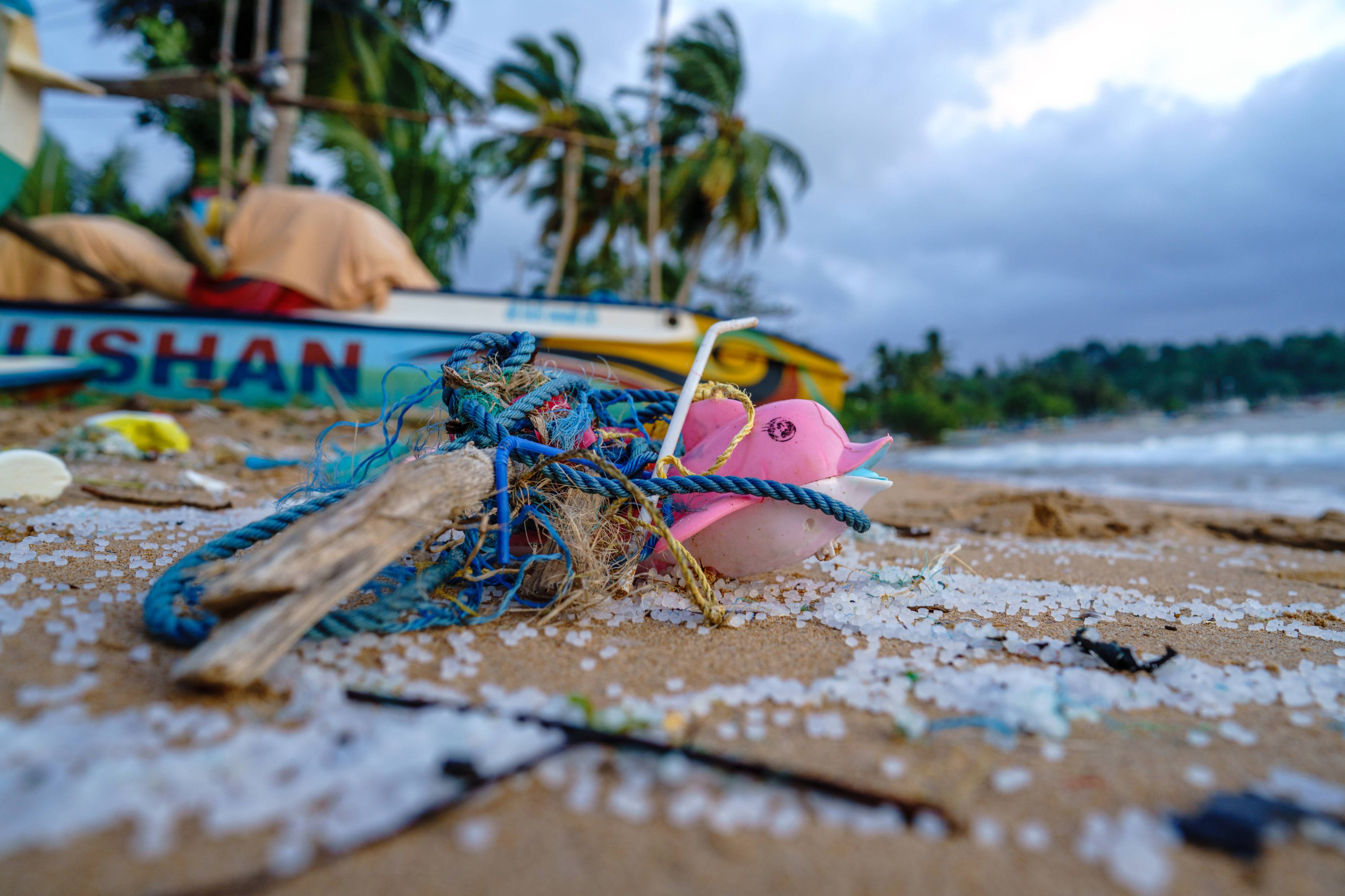
As an IAEA Collaborating Centre, INVEMAR will research and monitor environmental stressors in marine ecosystems across the region. Spanning 2026 to 2030, the collaboration will include the assessment of marine pollution, ocean acidification, emerging contaminants, harmful algal blooms, microplastics and the evaluation of carbon storage in blue carbon ecosystems. These activities are key to strengthening regional capacity to understand ecosystem dynamics and support informed environmental management decisions.
Key Activities and Expected Impact
INVEMAR’s activities are designed to generate measurable outcomes that improve local, regional and global understanding of marine ecosystem health. Key initiatives include monitoring harmful algal blooms and cyanobacteria, refining receptor-binding assay methods for rapid identification of marine biotoxins and assessing nutrient enrichment and ecosystem productivity in coastal areas. The institute will also produce certified reference materials and standards to enhance laboratory capabilities in the region.
Expected impacts include improved knowledge of pollution and carbon dynamics in marine ecosystems, strengthened seafood safety protocols, enhanced regional monitoring capacity, and the development of harmonized methodologies for assessing contaminants and ecosystem health. Progress will be tracked through sample collection and analysis, peer-reviewed publications, data reporting, and regional training activities.
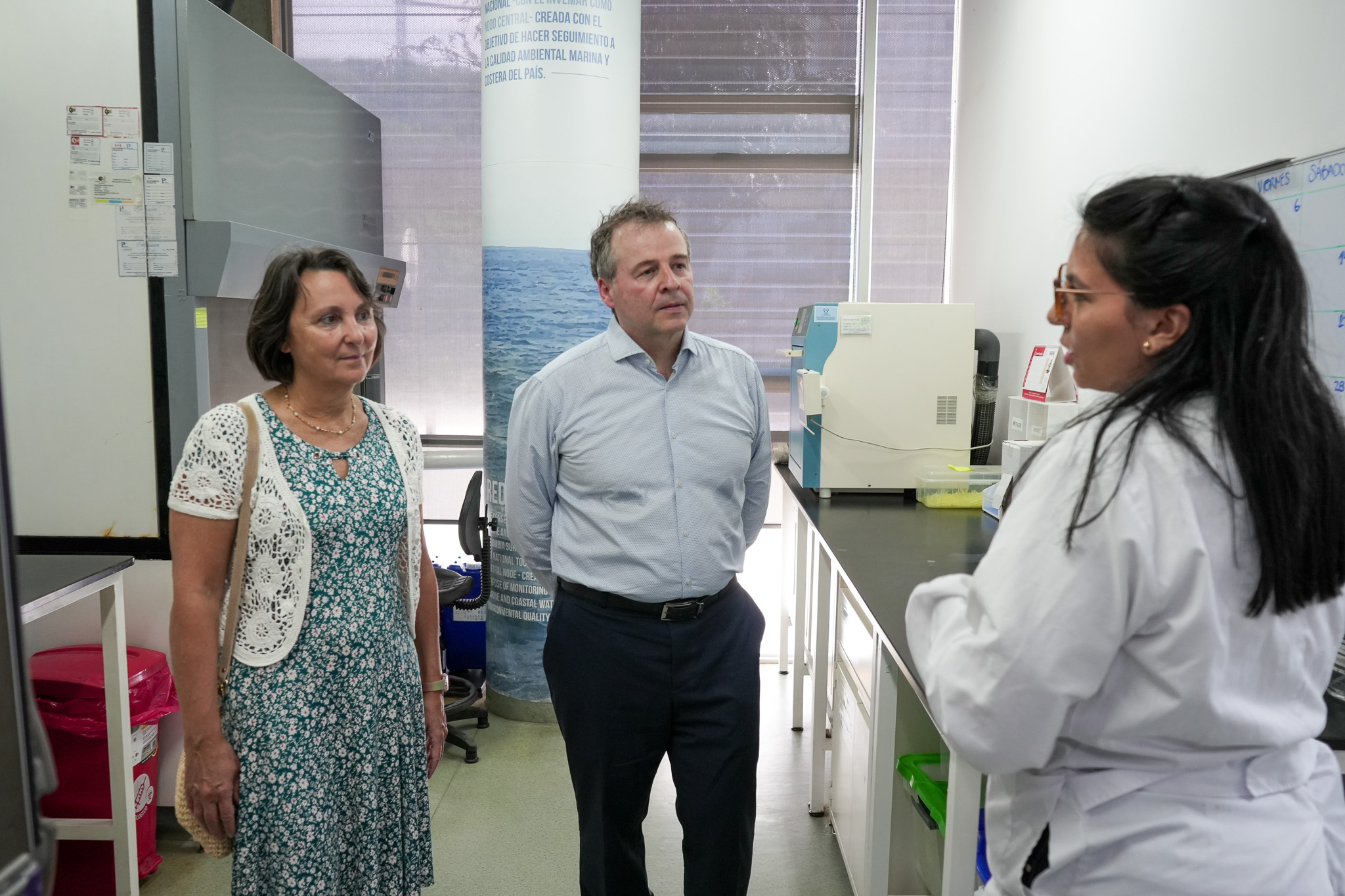
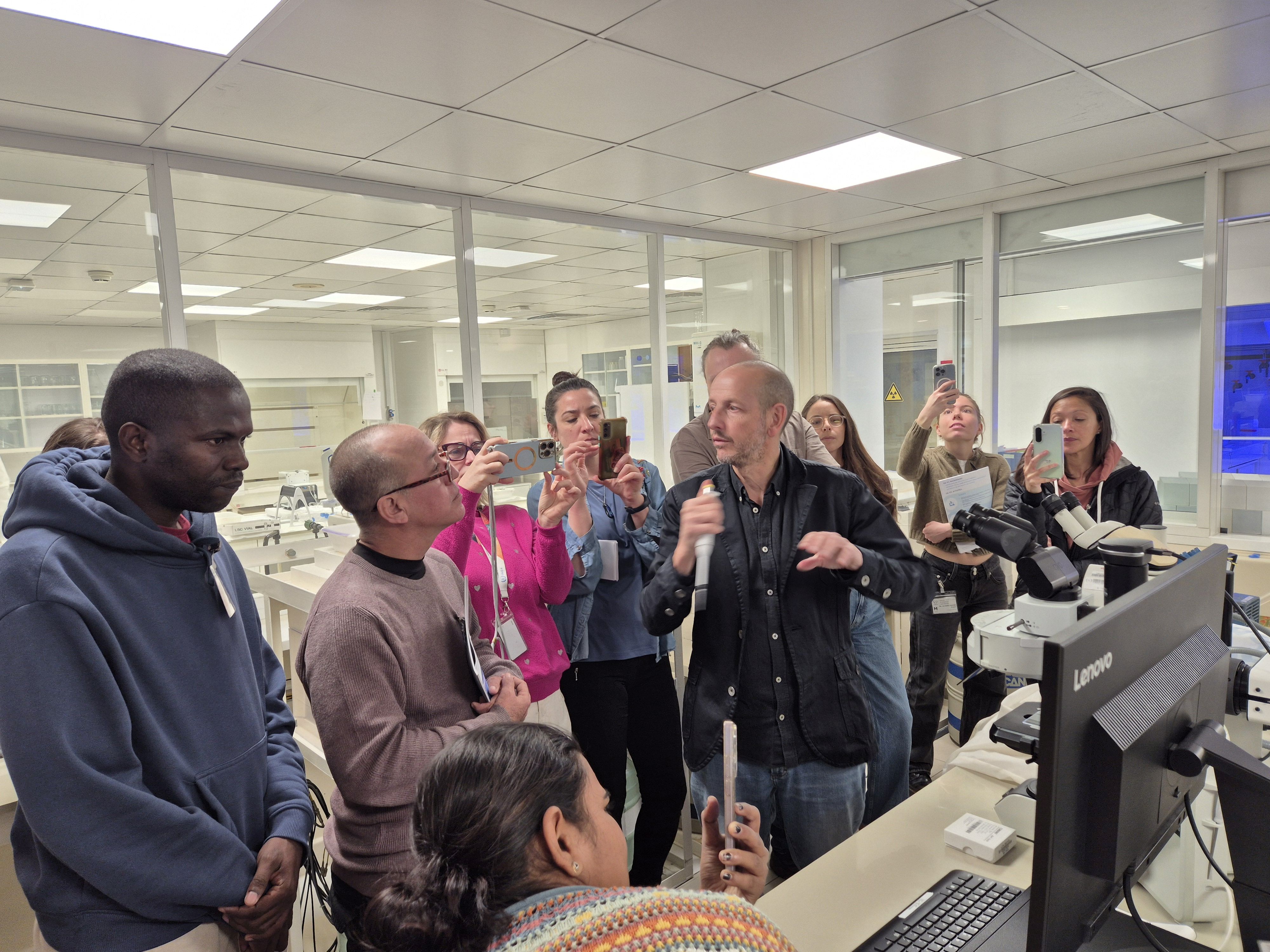
Director of the IAEA Marine Environment Laboratories Florence Descroix Comanducci and Head of the IAEA Marine Environmental Studies Laboratory tour the INVEMAR facilities in Santa Marta, Colombia, following its designation as an IAEA Collaborating Centre. (Photo: Julieth Martínez, INVEMAR)
Field and laboratory studies onsite at INVEMAR will include sediment dating with lead-210 to reconstruct pollution histories; baseline assessments of pharmaceuticals and personal care products in water, sediments and biota; as well as the quantitative monitoring of microplastics in coastal and marine environments. The institute will also assess ocean acidification impacts through measurements of carbonate chemistry and provide training for regional researchers to advance marine environmental research.
“INVEMAR has been a key partner of the IAEA Marine Environment Laboratories for many years, supporting the NUTEC Plastics flagship initiative and contributing to ocean acidification research in collaboration with our Ocean Acidification International Coordination Centre,” said Florence Descroix-Comanducci, Director of the IAEA Marine Environment Laboratories. “We’re looking forward to these next four years working together for ocean health.”
IAEA Collaborating Centres
To promote the use of nuclear technologies, the IAEA collaborates with designated institutions around the world. Through the Collaborating Centres network, these organizations assist the IAEA by undertaking original research and development and training relating to nuclear science and technologies and their safe and secure applications.